- From 2027 coloured stripes identify every compound and every tyre type, and the intermediate returns
- Third delivery to the five manufacturers: 400 tyres, 80 per brand, with colour markings for the first time
- Only six of the 22 riders on the 2027 grid bring meaningful Pirelli experience with them
The 2027 season brings MotoGP its biggest rule change in years. Engines shrink from 1,000 to 850 cubic centimetres, the ride-height devices disappear, the aerodynamics are cut back and the fuel comes entirely from non-fossil sources. In the middle of that package sits the change of control tyre supplier: Pirelli replaces Michelin, which has been the sole supplier of the premier class since 2016. Around the Aragon weekend it emerged that this also changes something every spectator will notice immediately.
Why will the MotoGP tyres get colour markings in 2027?
From 2027 Pirelli will add a coloured stripe to the sidewall so that the different compounds and tyre types can be told apart at a glance. With Michelin that has hardly been possible so far. The current markings are so small and discreet that from the grandstand or in front of the television it is practically impossible to tell whether a rider is on the soft, the medium or the hard compound.
That is exactly what bothers the new supplier. Pirelli is therefore falling back on a principle the brand knows from another area of motorsport. In Formula 1 the company has supplied all teams since 2011 and has worked with a fixed colour scheme there for years.
Which colour will stand for which compound?
That has not been decided yet. So far it is only confirmed that every compound and every tyre type will get its own colour, meaning soft, medium and hard as well as dry, wet and intermediate tyres. According to media reports, the model is the system from Formula 1, where red stands for the soft, yellow for the medium and white for the hard compound, while green marks the intermediate and blue the wet tyre.
There is a practical reason why that scheme can be carried over. At the test in Brno the seven front and eight rear specifications were already divided into the three hardness levels soft, medium and hard. On top of that comes a return: the intermediate, which Michelin dropped from its range in 2017, will be part of the offering again under Pirelli. That gives five categories, exactly the spread the Formula 1 pattern covers.
How far along is Pirelli with development?
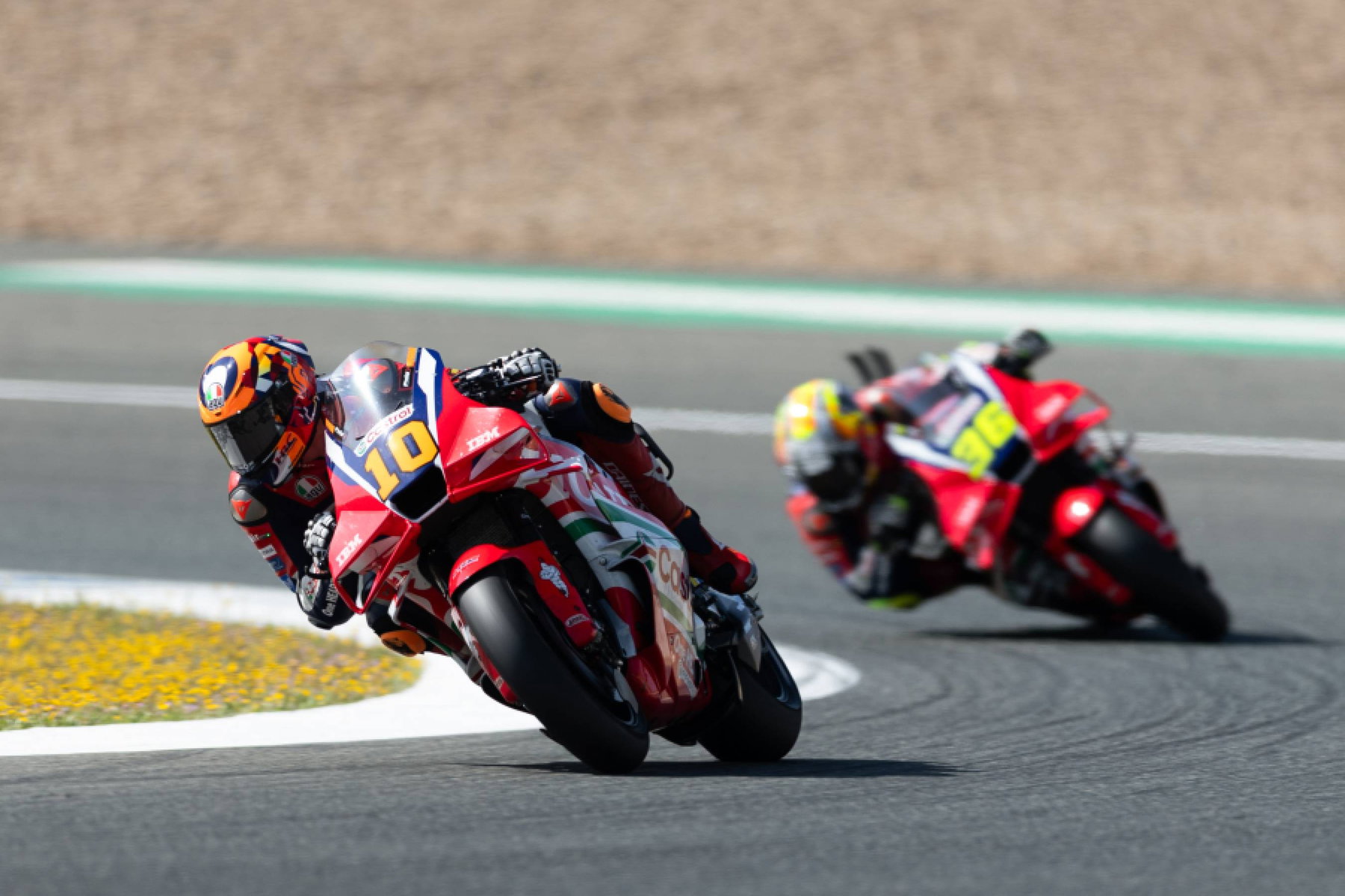
Pirelli has now handed the manufacturers its third tyre delivery. The contract was announced in March 2025 and a first batch went to Aprilia, Ducati, Honda, KTM and Yamaha at the end of 2025. At the Spanish GP in Jerez a second package followed with 80 tyres per manufacturer.
On the Thursday of the Aragon weekend, Pirelli then brought a total of 400 units to Motorland, again 80 per brand. Those tyres already carried the colour markings. With this allocation the factories are to complete their private testing before the first official pre-season test takes place on 1 December in Valencia. So far only the manufacturers have worked with the compounds, alongside the official test day with race riders after the Czech GP on 22 June in Brno. On the Monday after the Austrian GP, 21 September, a test follows that is also open to the independent teams.
What changes for the riders in the switch from Michelin to Pirelli?
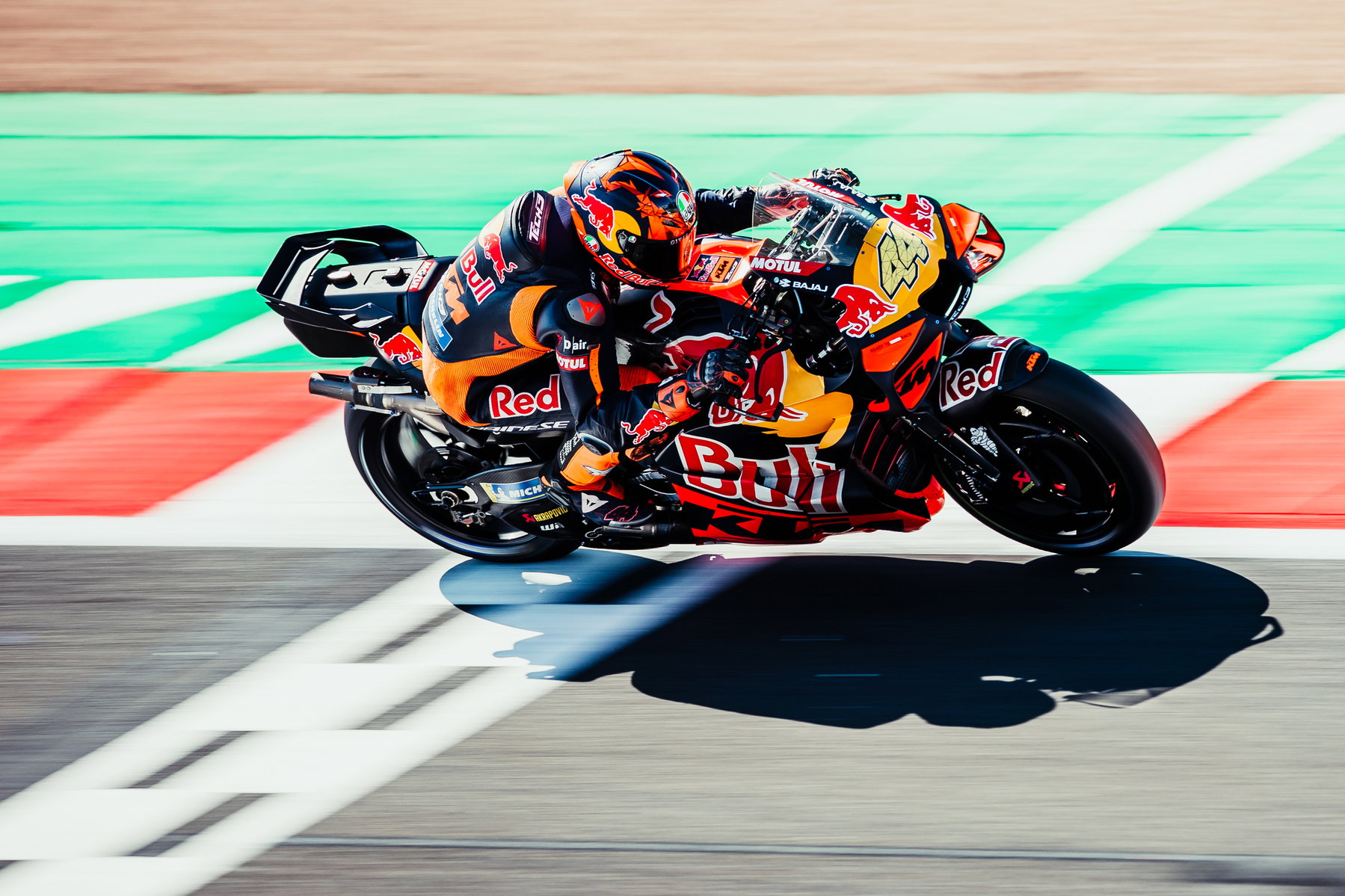
In Pol Espargaro’s view, considerably more than many in the paddock realise. The Spaniard is developing the new 850 prototype for KTM and has already covered many kilometres on the Pirelli tyres. He describes them as fundamentally different tyres and says of his colleagues: “the riders are not really aware of the change that is coming”.
Espargaro lived through the switch from Bridgestone to Michelin in 2016 himself and rates the coming change as the bigger of the two. Back then both suppliers had their strengths and weaknesses, he says, but the riding style stayed similar. With the Pirelli tyres, by contrast, everything changes and the bike feels as if it comes from another world.
Pirelli racing boss Giorgio Barbier describes the same point from the manufacturer’s side. For eleven years the riders have learned to adapt to the character of one particular tyre, he says, and the bikes are tuned precisely for it. The new tyres have different strengths, and both sides will have to adjust. “We will not build Michelin-Pirelli tyres, we will build Pirelli tyres,” he made clear in an interview. Some riders will have to change their style, and the engineers possibly parts of the bike.
Who benefits from the switch to Pirelli?
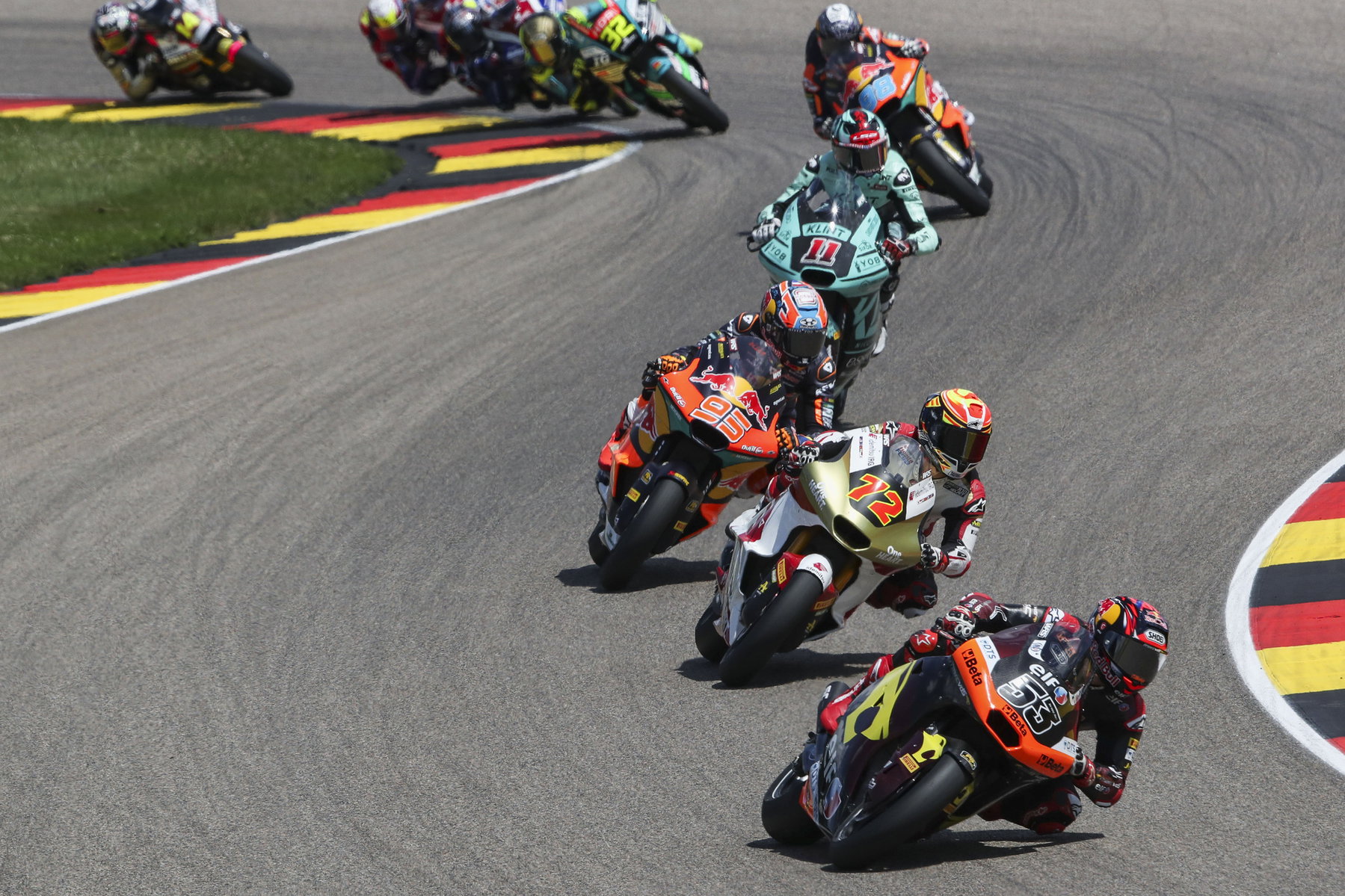
Above all those who already know the tyres. Of the 22 riders on the 2027 grid, only six have extensive Pirelli experience. They include the four Moto2 graduates David Alonso, Daniel Holgado, Senna Agius and Izan Guevara, because the intermediate class has been running on Pirelli since 2024. Added to that are Toprak Razgatlioglu, who won three Superbike world titles on these tyres, and Nicolo Bulega, who comes from the same championship and is expected at VR46 in 2027.
Espargaro points to a precedent. When Pirelli replaced previous supplier Dunlop in Moto2 in 2024, riders who had not been running at the front suddenly worked, while other previously competitive riders dropped back. He considers it a given that this will repeat itself in MotoGP. He believes Bulega can be fast from the start of the season, not only after a settling-in period.
He expects a shift among the manufacturers as well. He sees Ducati at an advantage because the 2027 machine is essentially a slightly larger superbike and the company knows that category very well. Anyone coming from the production-based championship starts with a head start.
Lower top speed, similar lap times
Espargaro does not want to judge whether the switch is good or bad on balance. He says it will be good for some and bad for others. The bikes will be slower, he says, but will lose nothing in acceleration. On lap times he expects a similar level despite the lower power, because the 850s will be lighter. It is precisely that lower weight combined with less top speed that makes the machines less dangerous at the same time.
He does not expect an even field straight away, though. Only from the second half of the season, once the manufacturers have reached a usable level, should the class close up. For the championship he sees that as a gain.
Frequently asked questions
-
Why will the Pirelli MotoGP 2027 tyres get colour markings?
So that spectators can see immediately which compound a rider is using. With Michelin the markings are so small that they are practically invisible from the grandstand or on television. Pirelli is carrying over the principle from Formula 1, where the brand has been the sole supplier since 2011.
-
Which colours will the MotoGP tyres get in 2027?
The exact allocation has not been decided yet. All that is confirmed is that every compound and every tyre type will get its own colour. In Formula 1, red stands for soft, yellow for medium, white for hard, green for the intermediate and blue for the wet tyre.
-
When will the MotoGP riders test the Pirelli tyres together for the first time?
The first official pre-season test takes place on 1 December in Valencia, where Pirelli will supply every team with the complete 2027 catalogue. Before that, on 21 September, the Monday after the Austrian GP, there is a test that is also open to the independent teams.
-
Which riders already know the Pirelli tyres?
Six of the 22 riders on the 2027 grid. They are the Moto2 graduates David Alonso, Daniel Holgado, Senna Agius and Izan Guevara, plus the Superbike riders Toprak Razgatlioglu and Nicolo Bulega.
➜ This article is part of our comprehensive overview: 2027 MotoGP Season: The Complete Overview. Find all key information on this topic in one place.