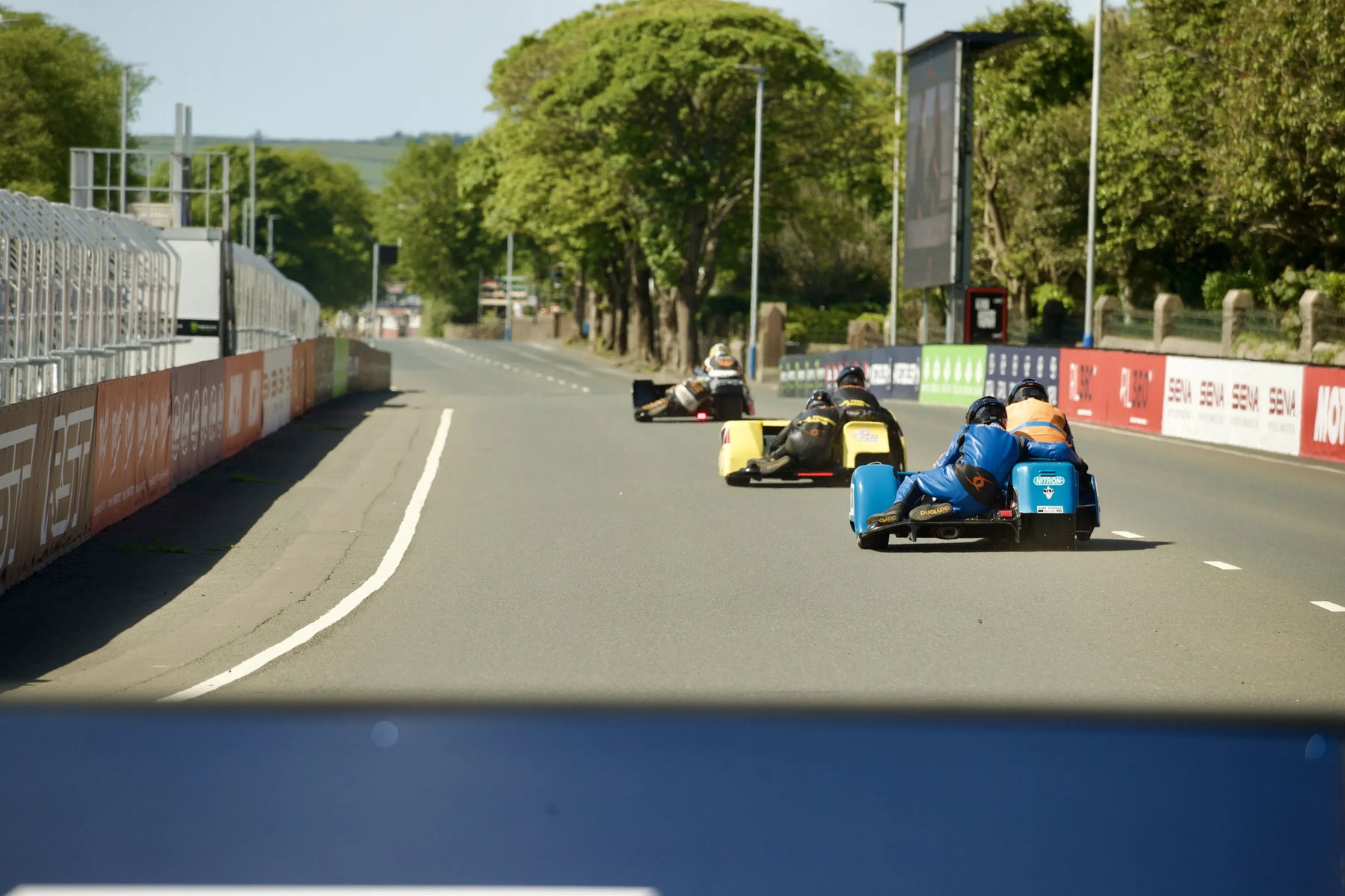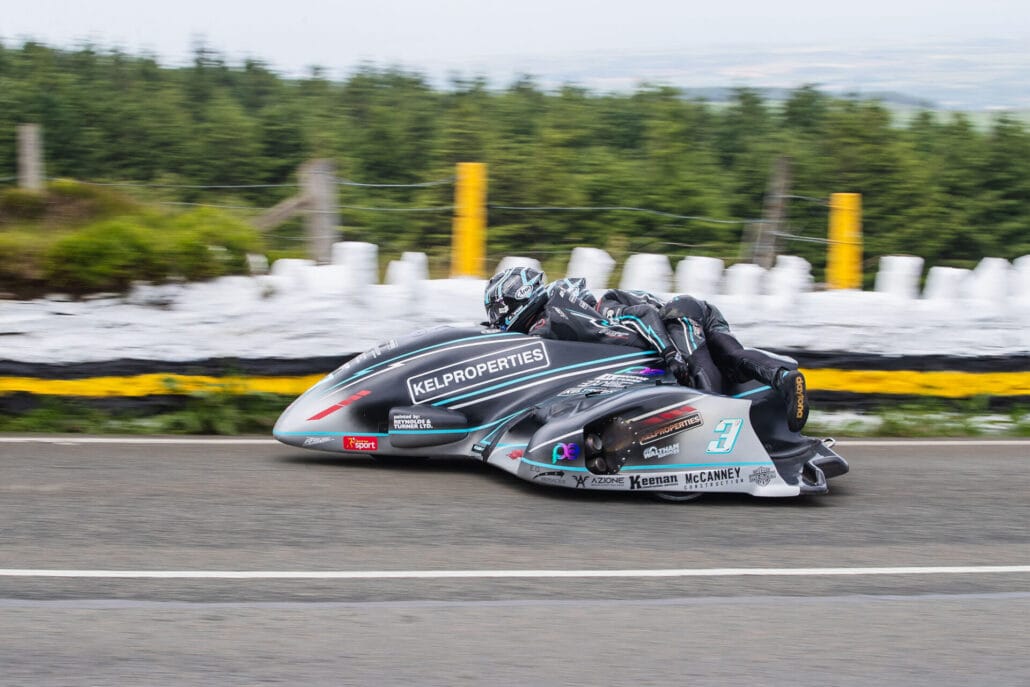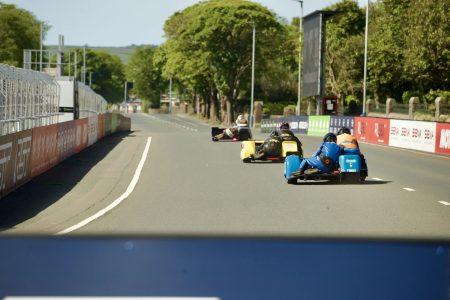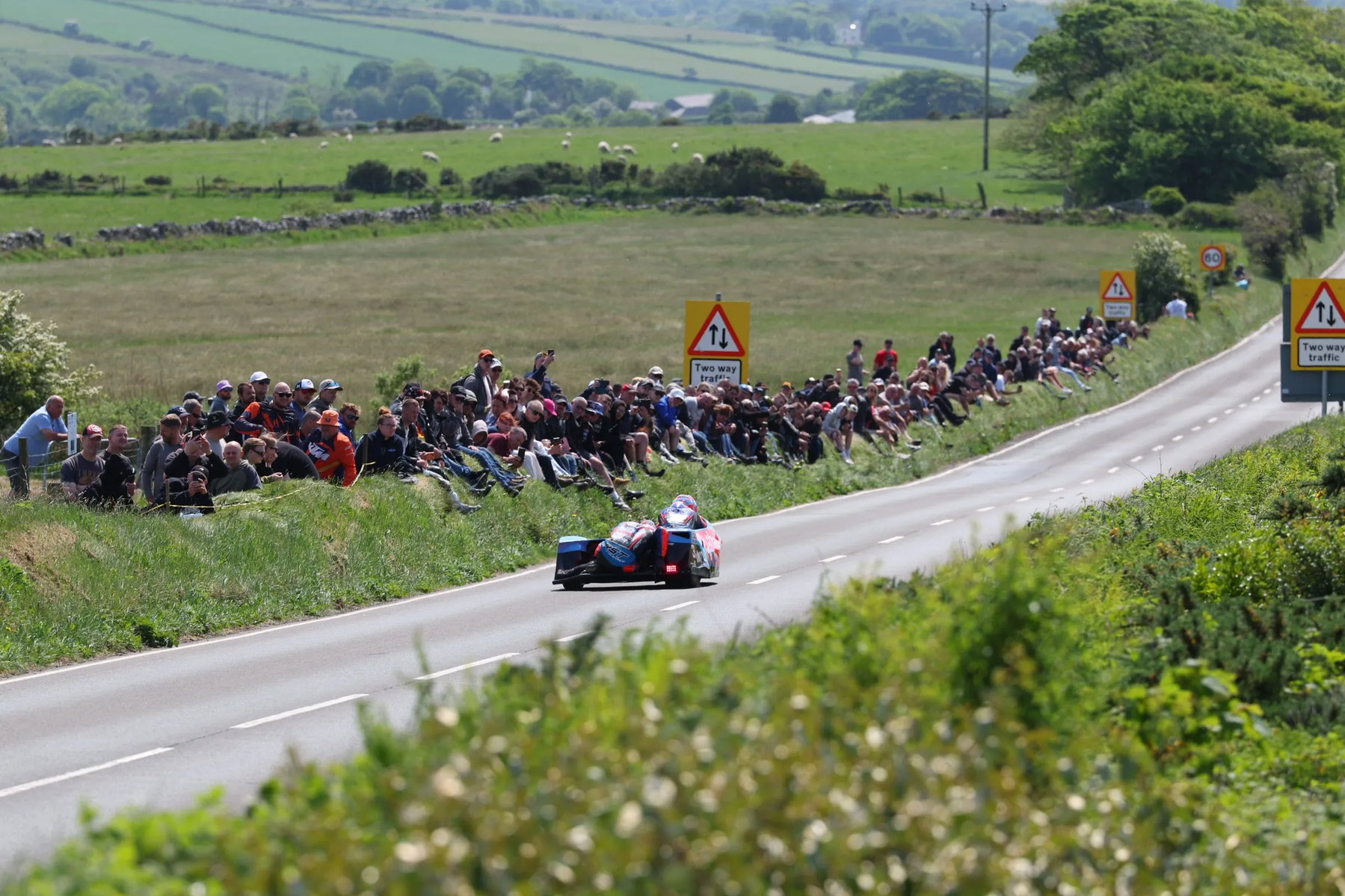
- New rules for 2027: fairings, bodywork, aerodynamic surfaces, fuel tanks and fuel pumps
- Sportbike engines and control electronics remain mandatory
- Team ARC | Crawford Racing and Gibson Racing have already withdrawn from the TT 2027
Only a few days after the first withdrawals, the TT organisers have responded. On 18 November 2026 they announced changes to the sidecar regulations for 2027. Above all, the changes are meant to ease the time pressure and the costs for the teams. The core of the new concept, however, remains untouched. Whether that is enough to bring back the teams that have already pulled out remains to be seen.
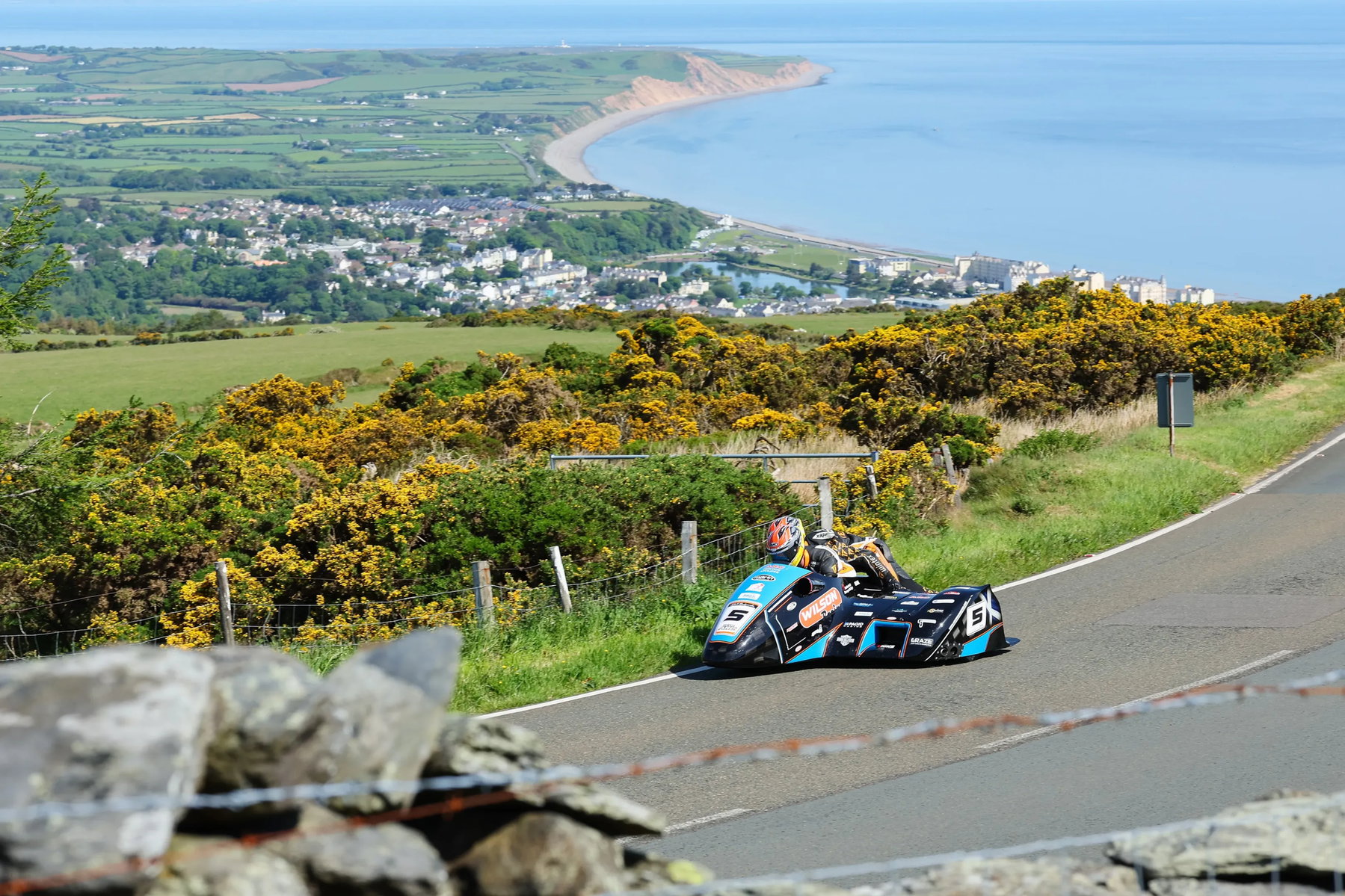
What is changing in the TT 2027 sidecar regulations?
The rules for fairings, bodywork and aerodynamic surfaces as well as for fuel tanks and fuel pumps have been revised. In their new form, they apply to the TT 2027.
The organisers give two reasons for the move. Many teams had doubts as to whether they could even get the new parts built in the short time before the start of the season. In addition, the costs would have been incurred immediately and in full. The changes are intended to soften both. The organisers explicitly describe them as an interim solution. At the same time, they are working on a set of regulations for 2028 that is meant to apply in the long term.
The announcement does not say what the revised rules look like in detail. What is clear is that work on the bodywork will continue. Because the Mountain Course cannot be directly compared with other circuits, further studies are planned. Aerodynamicists with motorsport experience are to be involved as well. The end result is meant to be bodywork regulations designed specifically for the TT.
Why are the engine and electronics rules for the Sidecar TT staying the same?
For the organisers, the engine and the control electronics are the most important lever to significantly reduce the speed of the outfits and keep it under control. Without this reduction, they do not consider a responsible return of the class to be possible.
The background is the TT 2026. There, the sidecars were suspended for safety reasons, after which the future of the class was fundamentally reviewed. The result is a largely new set of regulations. Instead of the previous 600 cc four-cylinder engines, production-based engines from the sportbike class are to be used, managed by a single electronics system for everyone. This is meant to make the outfits slower and safer, reduce costs and give the class a long-term future.
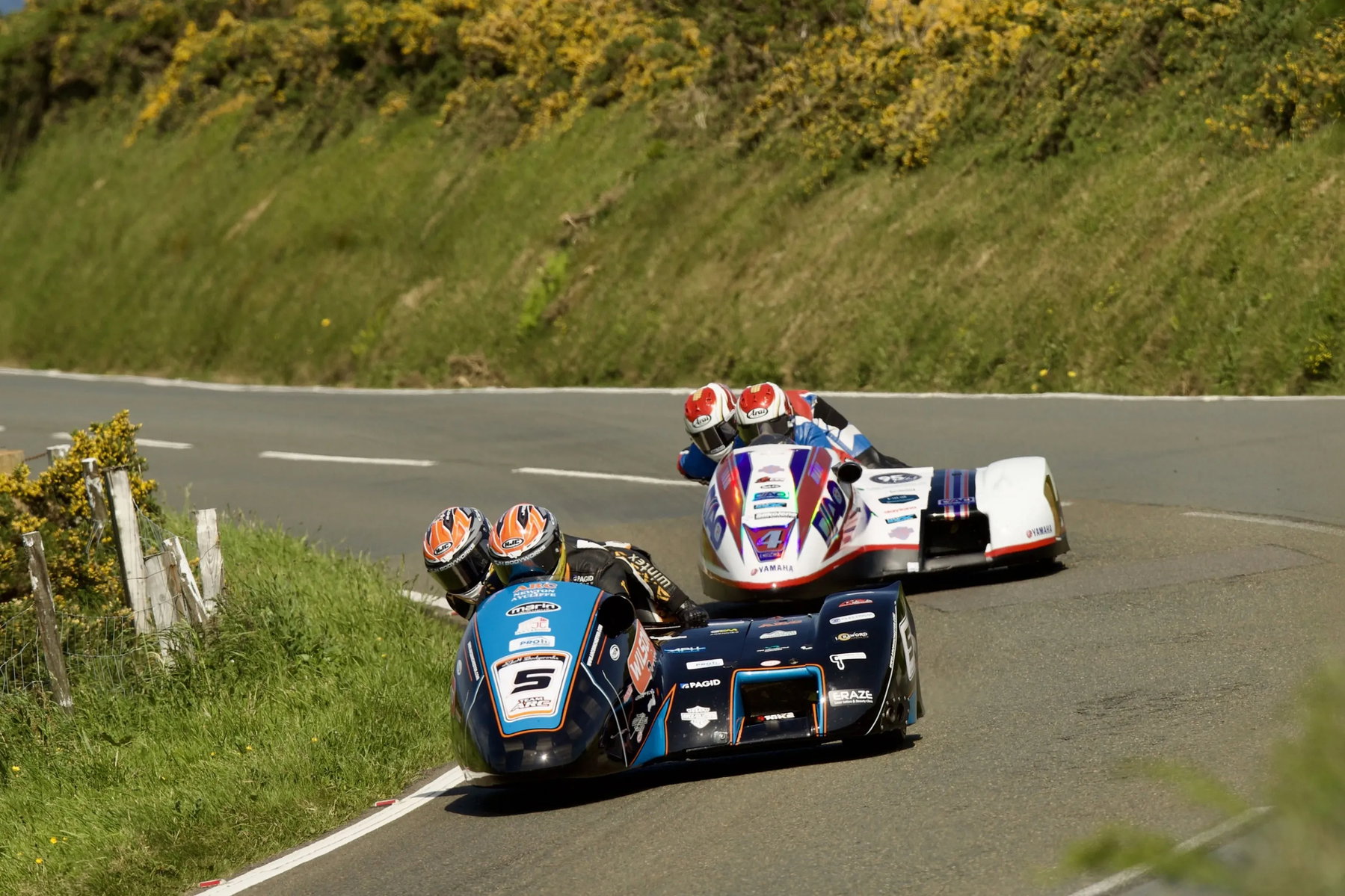
Which teams will not race in the Sidecar TT 2027?
Team ARC | Crawford Racing and Gibson Racing have already announced that they will not compete in 2027. Both object to the farewell to the 600 cc four-cylinder and to the mandatory electronics.
Team ARC is particularly critical of how extensive the changes are and how short the notice is. A new engine alone is not enough. The airbox, exhaust system, engine mounts and electronics also have to be modified to match. That costs money and many hours in the workshop.
The relaxations now agreed apply elsewhere, namely to the fairing and the tank. They do nothing to address the main reason for the withdrawals, the engine question. It is not yet known whether Team ARC or Gibson Racing will reconsider their decision. The organisers themselves expect the grid to be smaller at first.
What is next for the sidecars at the TT up to 2029?
The return in 2027 marks the start of a firm three-year commitment to the class. At the TT 2027, which runs from 31 May to 12 June, two sidecar races over two laps each of the Mountain Course are on the programme.
Over these three years, the organisers and the promoter want to work closely with the teams. They want to find out how the new rules work in practice and where adjustments make sense without giving up the actual goal. Whether the concept works is to be assessed during the TT 2027 and even more so afterwards. Factors will include the speeds achieved, the reliability of the technology and feedback from the teams. The number of incidents and how much qualifying and racing could actually take place will also be taken into account. No single figure is to be decisive. The organisers’ statement puts it this way: “No single statistic will determine whether the changes have been successful.”
The organisers stress that the sidecars have a firm place in the history of the TT. They now see their task as creating the conditions for the class to survive and develop in the long term.