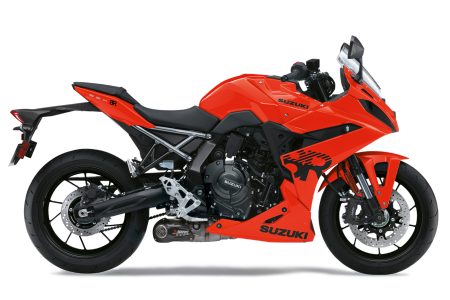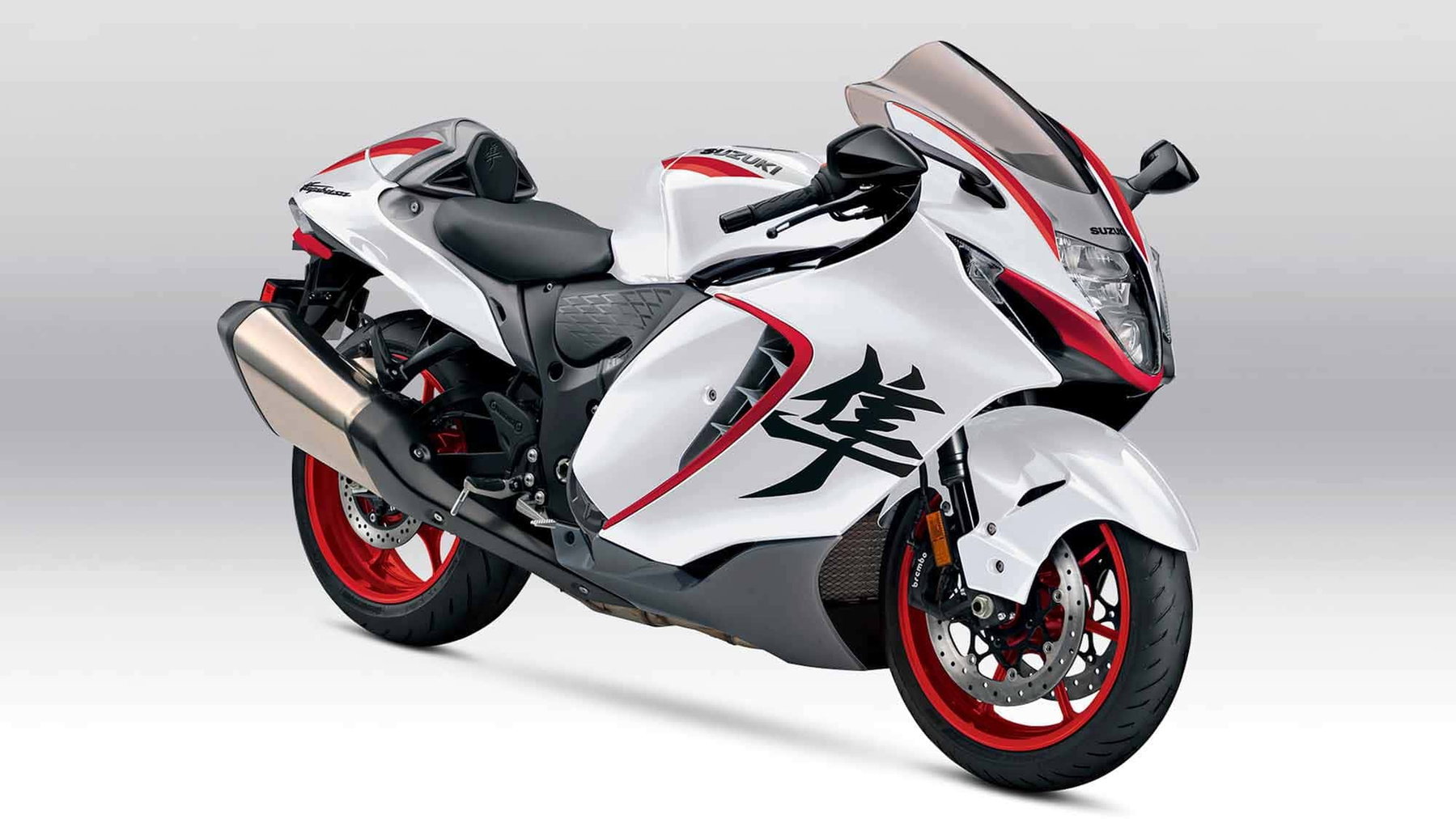
- 97.4 million motorcycles and 2.77 million ATVs
- 50 million units in 2004, 100 million in July 2026
- Production in 16 plants across 14 countries and regions
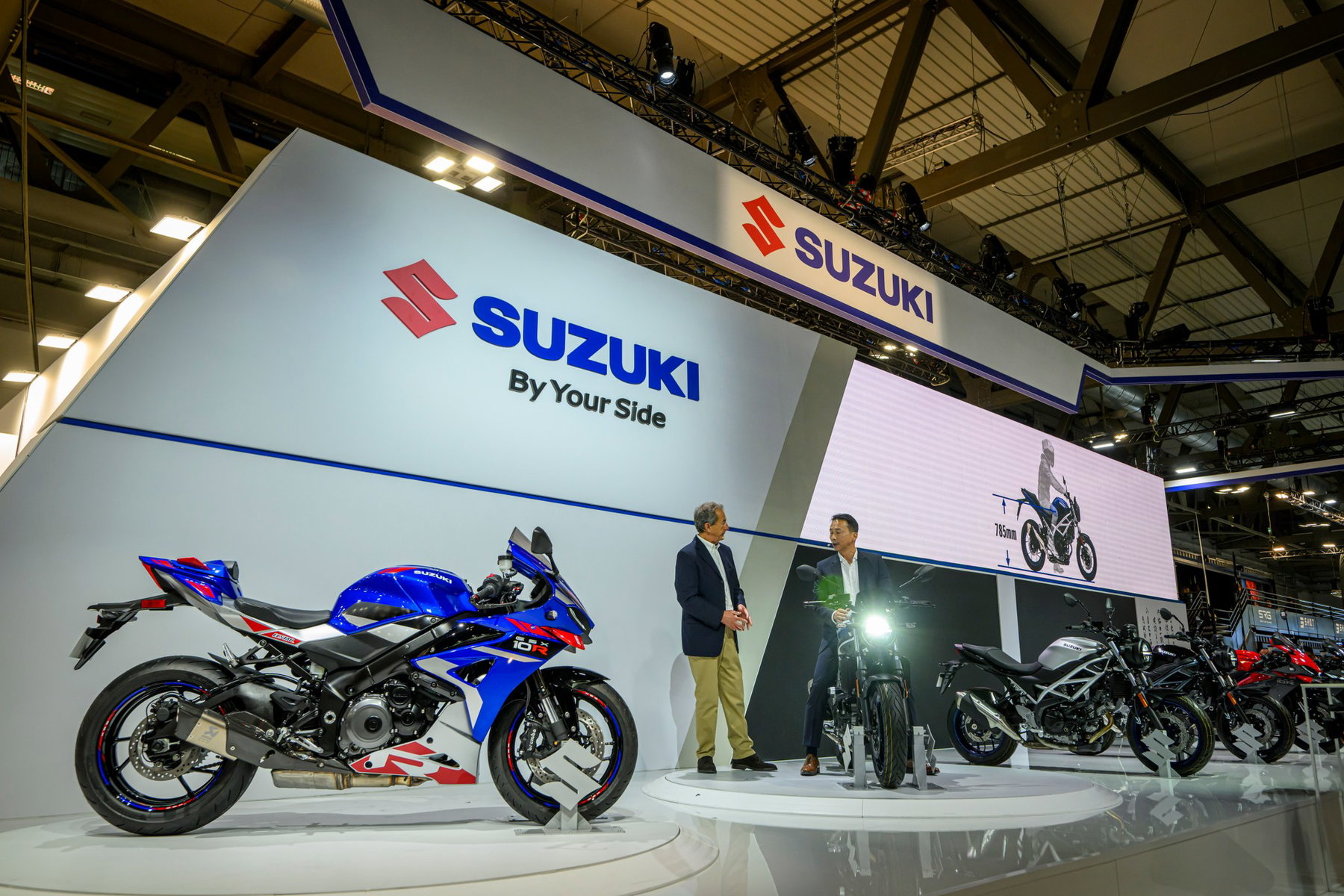
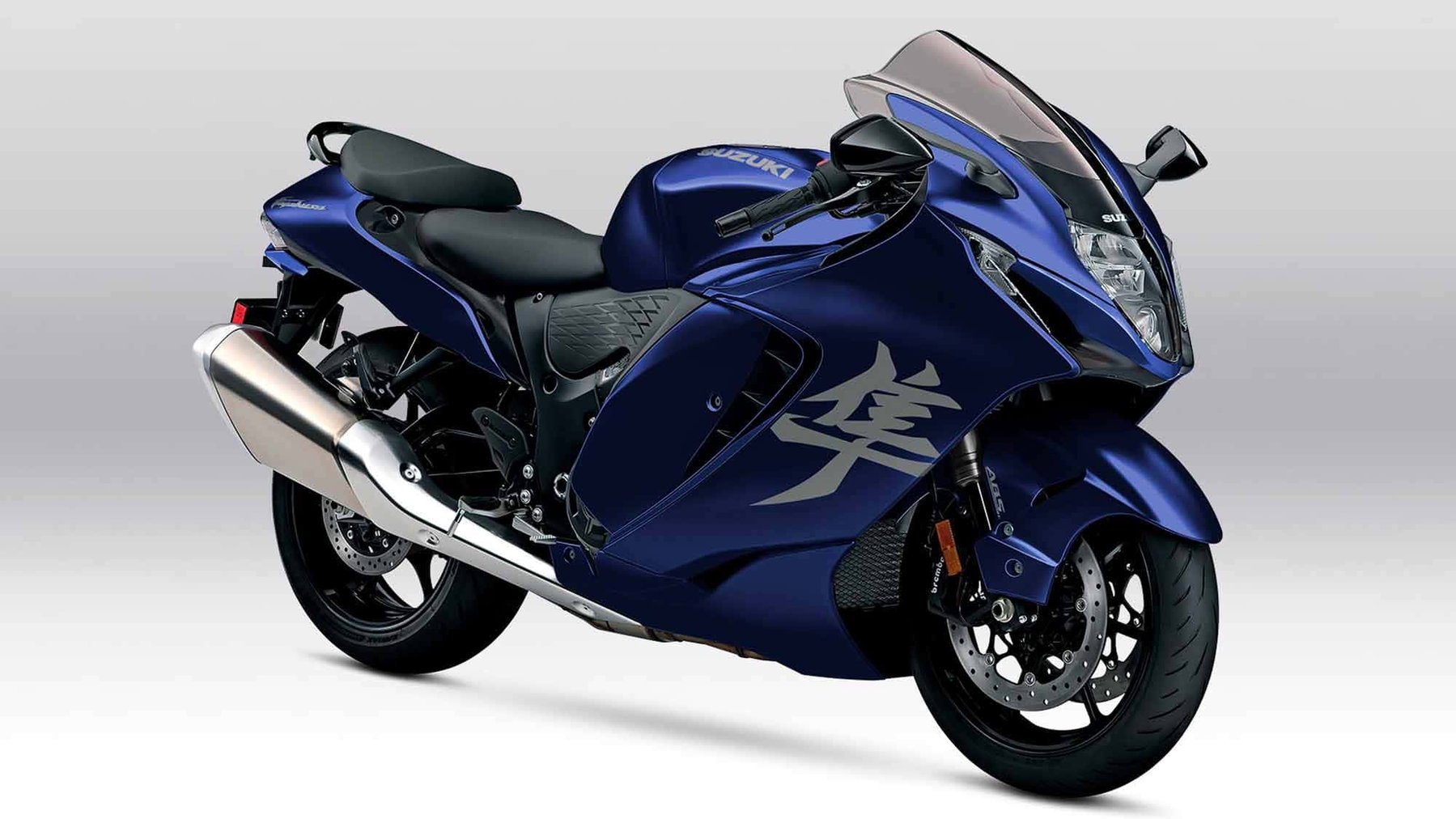
Suzuki Motor Corporation announced on November 4, 2026 that it has built 100 million motorcycles and ATVs. The milestone was actually reached back in July; the official announcement only came a few months later. By far the largest share, 97.4 million units, are motorcycles, ranging from simple everyday scooters to the Hayabusa. They are joined by 2.77 million ATVs, four-wheeled off-road vehicles often simply called quads. The two-wheeler history of the Hamamatsu-based manufacturer began in 1952 with the Power Free, a bicycle with a 36cc two-stroke auxiliary engine.
How long did it take Suzuki to build 100 million motorcycles and ATVs?
From the first Power Free to July 2026, 74 years passed. More interesting than the total duration, however, is how unevenly that time is split between the two halves.
Suzuki reached its first 50 million units in 2004, after 52 years of two-wheeler production. The next 50 million took around 22 years. Mathematically, the manufacturer built an average of just under one million vehicles per year in the first phase, and around 2.3 million per year since 2004. The company itself is even older than its motorcycle division: Michio Suzuki founded it in 1920 as a maker of weaving looms, and the first motorcycles followed a good three decades later.
Where does Suzuki build its motorcycles today?
Suzuki manufactures in 16 plants in 14 countries and regions. Besides the main plant in Hamamatsu, these include sites in India, Indonesia, the Philippines, China and Colombia, and the motorcycles are sold in 109 countries and regions.
India shows how much the balance has shifted over the past two decades. The subsidiary Suzuki Motorcycle India only began production in February 2006 and built its ten-millionth vehicle on January 8, 2026. Reaching the five-million mark in July 2020 took around 14.5 years, while the second five million came in only around 5.5 years. Mathematically, roughly one in five vehicles Suzuki has built since the 50-million mark in 2004 comes from India.
India is now the group’s largest motorcycle production site. In fiscal year 2024, a good 1.13 million vehicles rolled off the line there, around 210,000 of which were exported to Southeast Asia, Latin America and Europe. Another plant in Kharkhoda is under construction. To put the figures into context, scooters are counted in full: the most-produced model in India is the Access scooter with 6.82 million units, but the Gixxer, V-Strom 800 DE, GSX-8R and Hayabusa are also built there.
Colombia is an example of the smaller sites. Suzuki has been building motorcycles at the plant in Pereira since February 1982, and in September 2025, after 43 years, it reached the two-million mark. The anniversary unit was a GN125 in Colombian specification, and the plant exports to six other countries in South and Central America.
What role do ATVs play at Suzuki?
With 2.77 million units, ATVs account for just under 2.8 percent of the total. Nevertheless, Suzuki sees itself as a pioneer here, because in 1982 the manufacturer launched the LT125, which it says was the world’s first four-wheeled ATV.
The LT125 was powered by a 125cc four-stroke engine. Today, Suzuki offers the KingQuad range, both for leisure and for work, for example in hunting or agriculture. The most important market is the USA. All Suzuki ATVs are built by Suzuki Manufacturing of America Corporation in the US state of Georgia and are sold in 22 countries and regions.
How does Suzuki compare with Honda?
Honda plays in a different league and reached the 500-million-motorcycle mark back in May 2025. The figures cannot be compared entirely cleanly, though, because Honda counts only motorcycles, while Suzuki counts motorcycles and ATVs together.
Honda started series production in 1949 with the Dream D-Type. It reached 50 million in 1984, 20 years earlier than Suzuki, and 100 million in 1997 after 48 years. Suzuki needed 74 years for the same number. The gap is mainly explained by capacity: Honda can build more than 20 million motorcycles a year at 37 production companies in 23 countries and regions. Mathematically, Suzuki’s entire production since 1952 therefore corresponds to about five years of Honda production at full capacity. For its most recent 100 million, from 400 to 500 million, Honda needed just six years.
From the Power Free to the RM-Z450
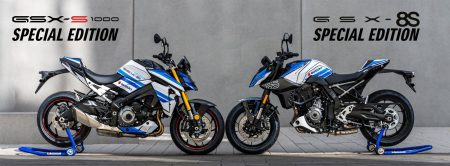
Even the Power Free had a special feature: the rider could easily switch between pedaling and engine power. Today, the range extends from small everyday scooters to leisure motorcycles such as the GSX, V-Strom and DR families as well as the Hayabusa and Katana. They are joined by competition machines such as the RM-Z450, on which Ken Roczen won the 2026 AMA Supercross Championship.
President Toshihiro Suzuki attributes the milestone to closeness to customers. Both the Power Free and the LT125, he says, grew out of the founder’s idea of responding as well as possible to every customer wish. He thanks customers and dealers worldwide and says that, under the corporate slogan “By Your Side”, Suzuki will continue to offer vehicles for a wide range of needs.