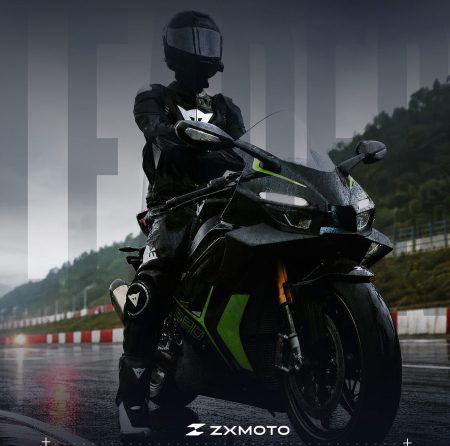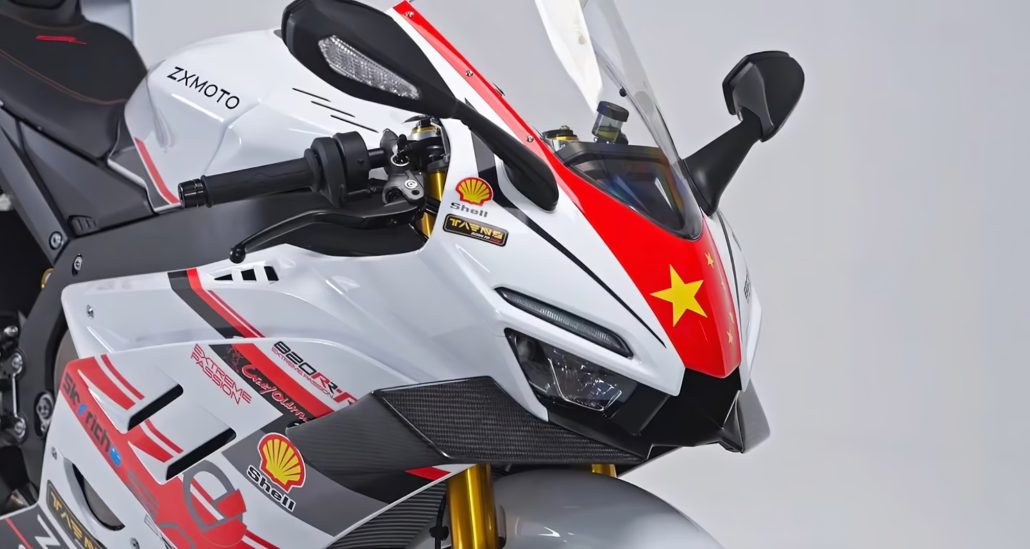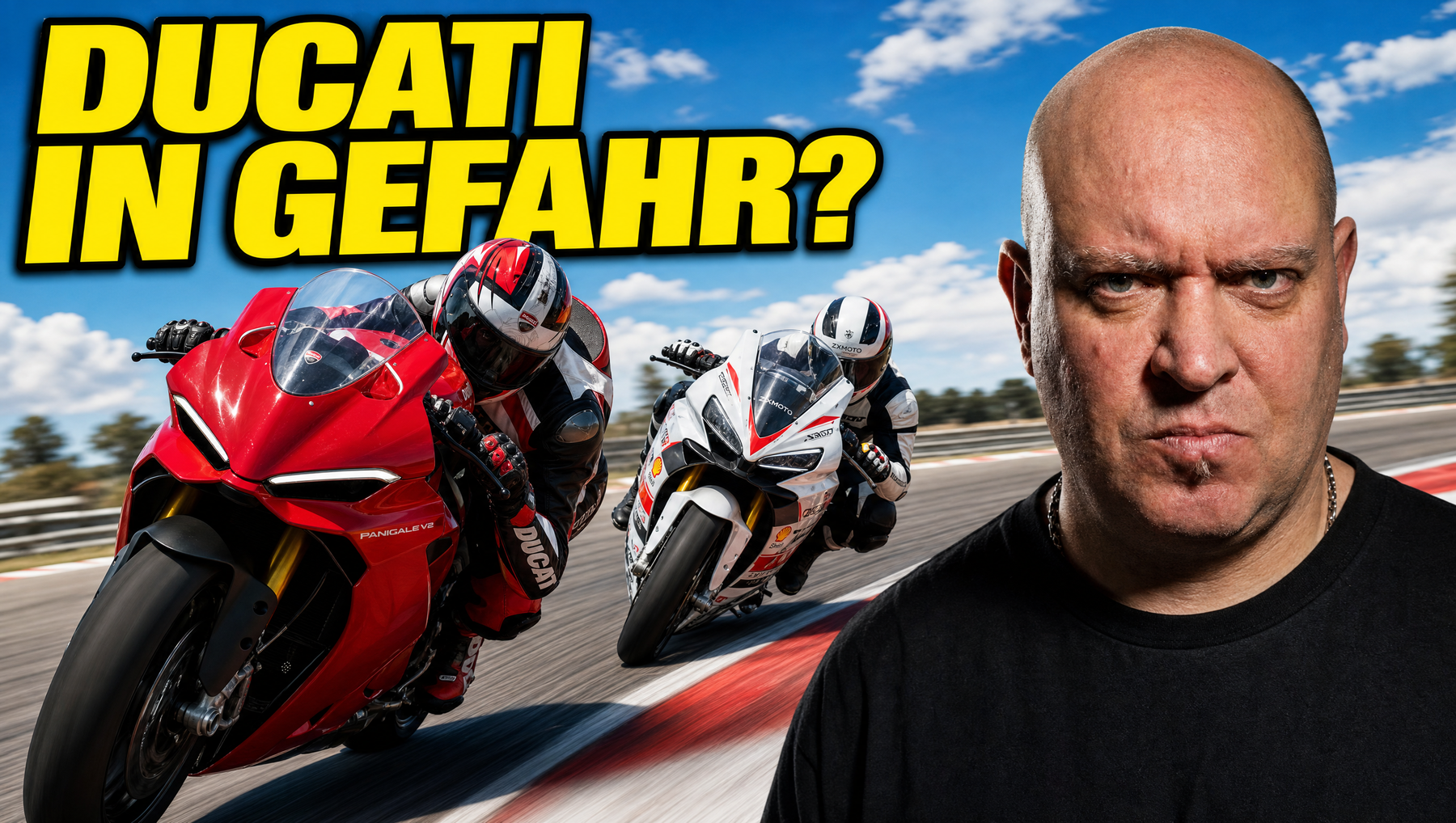
- ZXMoto 820RR with 135 hp (99 kW), top version 820RR-R with 145 hp (107 kW) and 186 kg (410 lbs) ready to ride
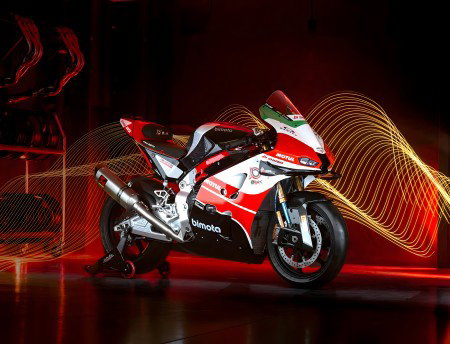
- Ducati Panigale V2 with 120 hp (88 kW) from 890 cc and 191 kg (421 lbs) ready to ride
- Prices in China from the equivalent of around 5,600 euros (around 6,500 US dollars), in Germany from around 16,500 euros (around 19,100 US dollars)
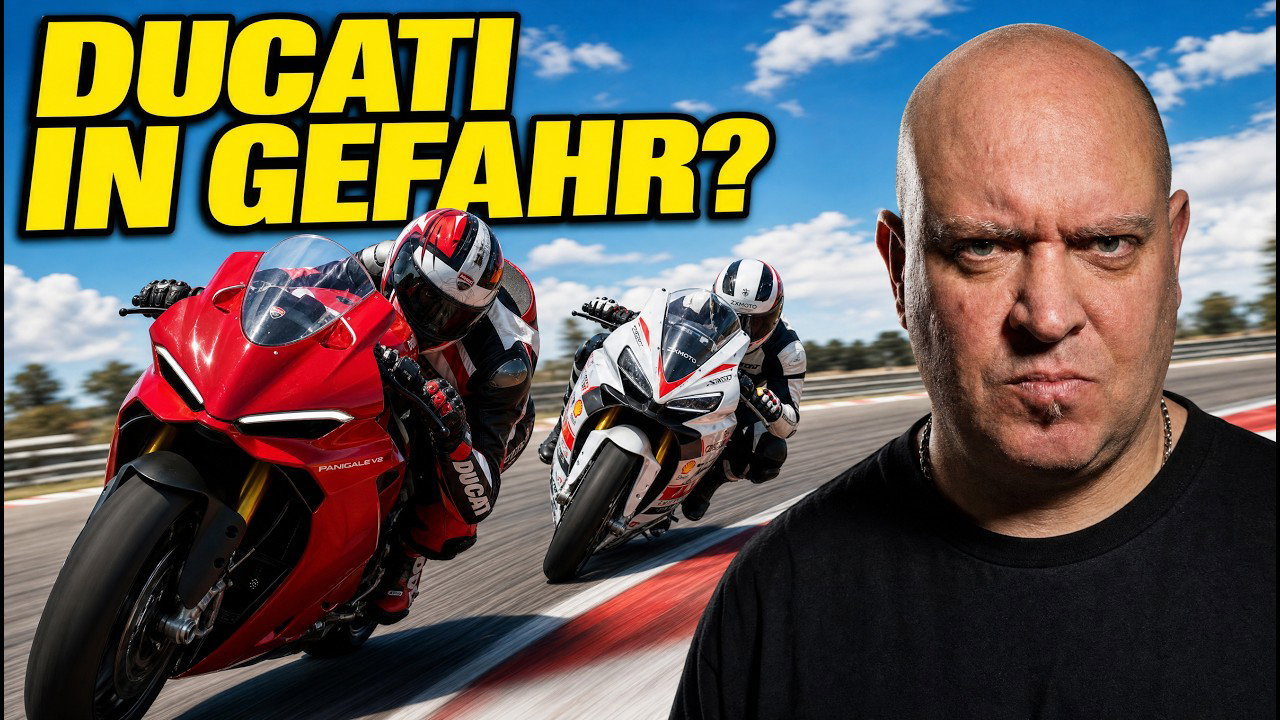
Two supersport bikes, both weighing around 190 kilos, both on 17-inch wheels, both with cornering ABS as standard. In China, one of the two price tags reads roughly three times what the other one does. The Ducati Panigale V2 has been part of the new model generation with the 890 engine since 2025, while the ZXMoto 820RR comes from a brand that has only existed since 2024. Both shape the middle supersport segment in the 2026 model year, and both already race in the same world championship.
Which engines power the ZXMoto 820RR and the Ducati Panigale V2?
The ZXMoto uses an inline three-cylinder with 818 cubic centimeters, the Ducati a twin with 890 cubic centimeters. The two concepts deliver their power in completely different places.
The base 820RR produces a claimed 135 hp (99 kW) at 12,000 rpm and 80 Nm (59 lb-ft) at 9,500 rpm. That is a classic supersport engine which finds its power through revs. Below 8,000 rpm not much happens, above that the three-cylinder pulls hard. On country roads that means, according to a road test from Switzerland: third gear as a permanent solution, down into first for tight corners.
The Panigale V2 makes 120 hp (88 kW) at 10,750 rpm and 93 Nm (69 lb-ft) as early as 8,250 rpm. Around 70 percent of peak torque is already available at 3,000 rpm. The V2 therefore pulls from almost any engine speed, and gear changes are needed less often.
One detail is likely to stand out to many Ducati riders: the 890 does without desmodromic valve gear. Instead of the positive-closing system, springs now close the valves, just as with almost every other manufacturer. Ducati justifies the move with the reduced effort involved, and valve clearance now only has to be checked every 30,000 kilometers. At ZXMoto, development is heading in the other direction: the top version 820RR-R gets titanium valves, and its engine revs to 14,750 rpm.
What separates the ZXMoto 820RR from the 820RR-R?
The 820RR is the base version with Chinese suspension and brake components, the 820RR-R the top version with parts from European and Japanese suppliers. Between the two lie 10 hp and around 7 kilos.
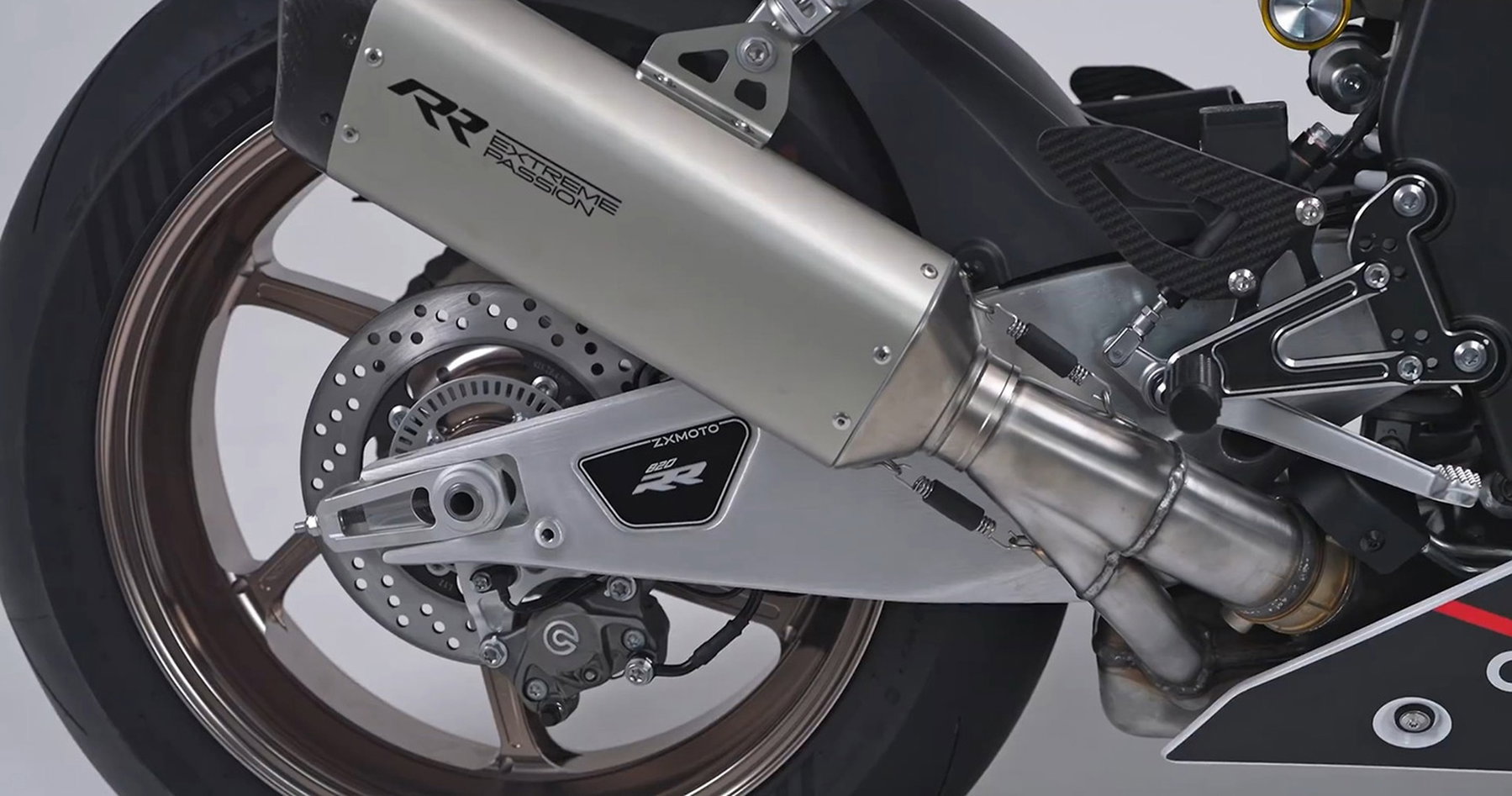
The base model uses fully adjustable suspension from Yu’an and radially mounted four-piston calipers from Taisko, both from China. Up front there are two discs measuring 320 millimeters. Ready to ride, the 820RR weighs 193 kg (425 lbs).
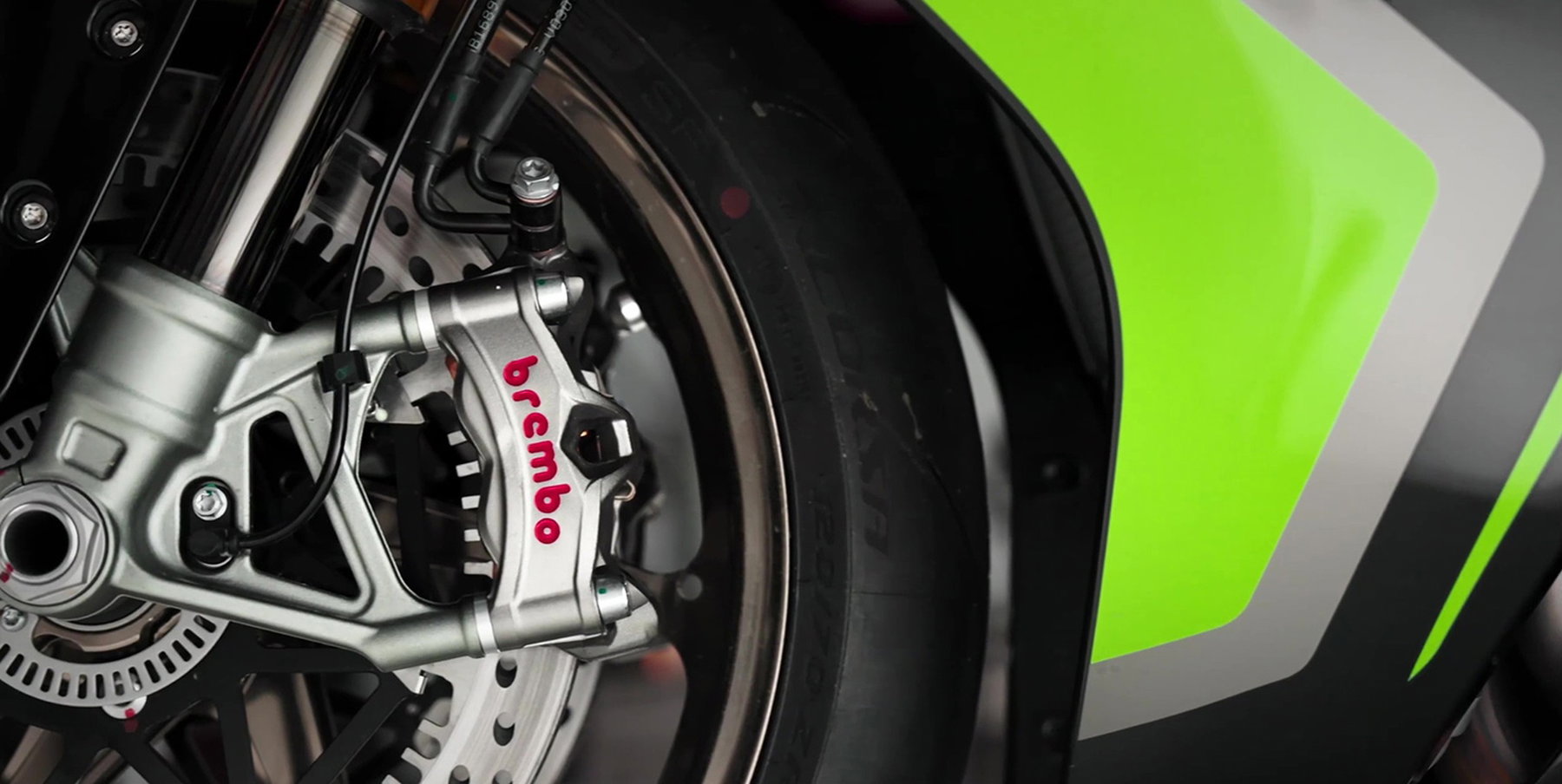
The 820RR-R uses the same basic engine, but with a higher compression ratio of 13.3:1 instead of 13.0:1 and the titanium valves mentioned above. The result is 145 hp (107 kW) at 13,500 rpm. Added to that are a 43 mm KYB fork with a friction-reducing DLC coating inside, a KYB shock, Brembo M50 calipers with a matching master cylinder and forged wheels. Ready to ride, the figure is then 186 kg (410 lbs).
Suspension, weight and electronics in direct comparison
In its base form, the Ducati Panigale V2 runs a fully adjustable 43 mm Marzocchi fork, a shock from Kayaba and Brembo M50 calipers on two 320 mm discs. Ready to ride, it weighs around 191 kg (421 lbs). The S version gets Öhlins at both ends, plus a lithium-ion battery, launch control and a pit limiter, and comes in at around 188 kg (414 lbs).
That allows both trim levels to be compared cleanly. Base against base, the figures are 193 to 191 kilos, top version against top version 186 to 188 kilos. In the upper tier the ZXMoto is therefore the lighter of the two, and that with 25 hp more on paper.
The gap in electronics is small as well. Both models use a six-axis measurement unit that registers lean angle and movement and uses that data to control cornering ABS, traction control and wheelie control. A quickshifter for clutchless gear changes is standard on both. The ZXMoto offers five riding modes, the Ducati four. With the display the ratio is reversed: 6.2 inches on an Android basis against 5 inches at Ducati.
How does the ZXMoto 820RR ride on the road?
The riding impressions reveal the clearest weaknesses of the ZXMoto, and they do not appear on any spec sheet. Brake feel, throttle response and gearbox are, according to media reports, the areas that still need work.
On paper both brake systems have four pistons and 320 millimeters. At the lever they feel different. The Brembo system on the Ducati has a clearly defined bite point. The Taisko brake on the 820RR decelerates properly and can be modulated well, but the bite point stays soft. Modulation happens through travel rather than through pressure, similar to an enduro. ZXMoto itself states that this brake is designed for the road and not for repeated fast laps on a race track. It is rare for a manufacturer to name the limits of its own product so openly.
The riding positions differ as well. The ZXMoto sits lower at 825 millimeters (32.5 inches) than the Ducati at 837 millimeters (33.0 inches), which takes strain off the neck. Knee angle and upper body posture still remain sporty, and longer stretches across country demand flexibility. Ducati has gone the other way and softened the ergonomics: the bar ends sit 6 centimeters higher than on the predecessor and are angled more towards the rider, while the pegs are lower and further forward.
The fine-tuning remains an open question at ZXMoto. Throttle response is abrupt, and in sport mode it was barely usable during testing, while in road mode it was easy to ride. Shifting down from third to second, the tester repeatedly found a false neutral, and twice the engine stalled in the process. That needs some context: in China the 820 models are in dealerships, but a version homologated for Europe does not exist yet. So far only pre-production machines have been running in Europe, so plenty can still change before delivery. The gutsy sound of the three-cylinder is meanwhile seen as a plus, though whether it survives the Euro 5+ emissions standard in this form is an open question.
How does the ZXMoto compare with Ducati in the Supersport World Championship?
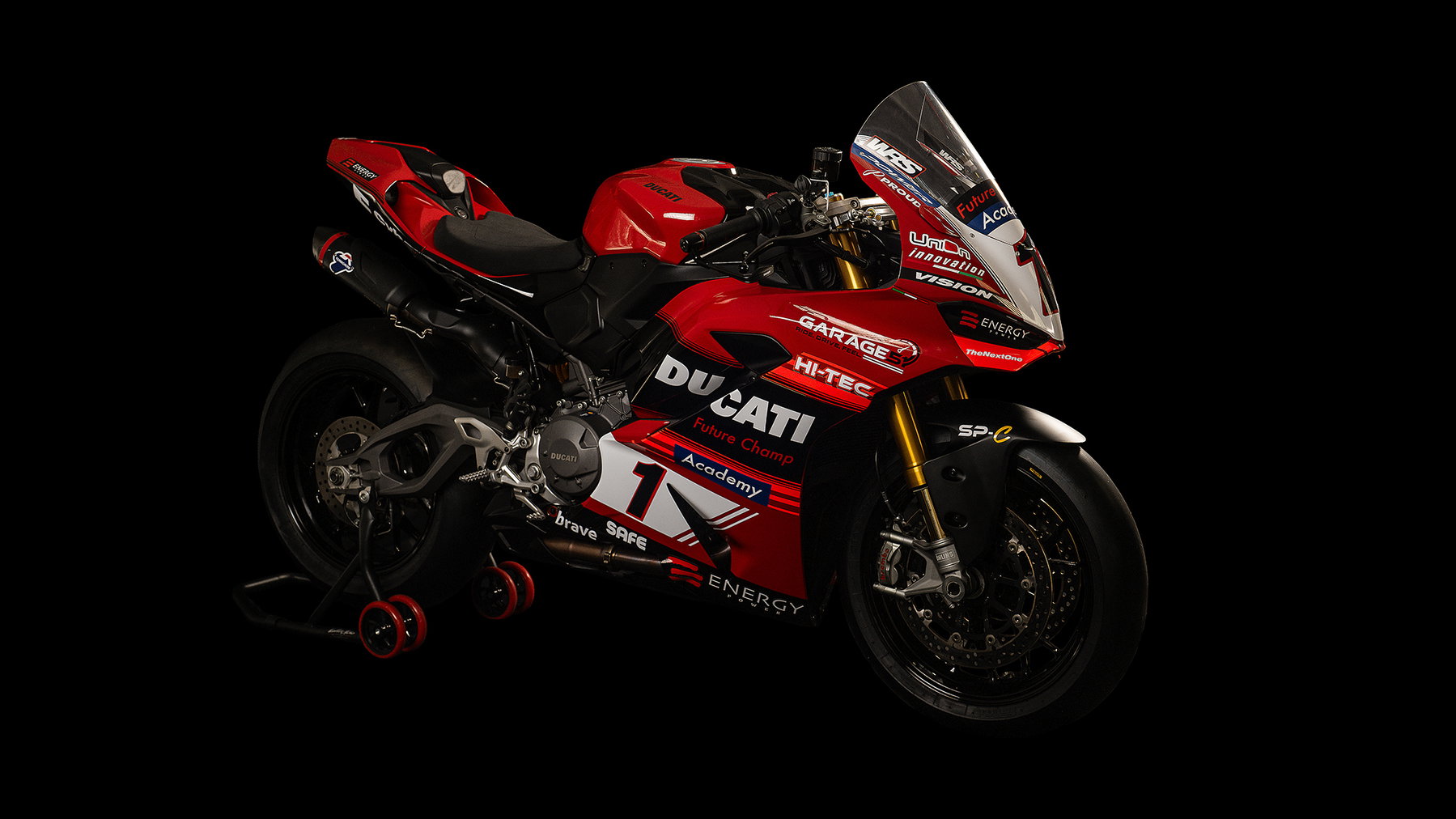
In the 2026 Supersport World Championship, ZXMoto leads after 16 races with 6 wins against Ducati with 5 wins. That is one single ZXMoto rider up against twelve Ducati riders.
Valentin Debise rides the 820RR and was second in the world championship going into the summer break. That result is not a pure verdict on the technology, though. The series uses a performance balancing system so that different engine concepts can race against each other at all. That rule currently hits Ducati hard. Ducati rider Philipp Öttl describes the situation like this: “We are getting the maximum out of it under these rules and only have 70 percent throttle opening left.” When Nicolò Bulega took the title in 2023, it was still 83 percent. Conversely, the ZXMoto team has criticized the balancing as well, back when things were not going its way at the season opener in Australia.
There is one more point that is easily missed: the Ducati racing in the Supersport World Championship is not the new 890. It is still the predecessor with 955 cubic centimeters and around 155 hp (114 kW). The new V2 is only now being built up for the 2027 season. From then on, the permitted output in the field will drop from around 145 hp (107 kW) to about 130 hp (96 kW) anyway.
What do the ZXMoto 820RR and the Ducati Panigale V2 cost?
In China the 820RR costs the equivalent of around 5,600 euros (around 6,500 US dollars), the stronger 820RR-R around 7,960 euros (around 9,230 US dollars). The Ducati Panigale V2 starts in Germany at around 16,500 euros (around 19,100 US dollars), the S version at around 19,000 euros (around 22,000 US dollars).
That factor of three applies to the Chinese home market, however. There is no German price for the ZXMoto, and no dealer network either. The only figure from Europe so far comes from Switzerland. There the importer has announced an entry price from 8,990 francs (around 9,550 euros / 11,100 US dollars), although the machine has not been delivered there yet. That would turn the factor of three into not even double. In Europe, ZXMoto is starting in the United Kingdom first, and with the smaller 500RR model. The 820RR is expected there for 2027.
The components that would actually be worth discussing when it comes to price have long come from the same shelves in the top version as at the European manufacturers: Brembo, KYB, Bosch and Pirelli. ZXMoto is not an isolated case in this. Brembo has entered a long-term partnership with CFMoto, another Chinese manufacturer. European suppliers are therefore part of this development themselves. The remaining gap between the two motorcycles is less about the parts than about calibration, durability, dealer networks and resale value.
From 2027 the two will also meet on the race track in exactly the configuration that matters for showrooms: the 890 Panigale against the 818 three-cylinder, both restricted to around 130 hp. At that point the argument that an older model is still standing in as a placeholder on the Ducati side will no longer apply.
Frequently Asked Questions
-
What does the ZXMoto 820RR cost?
In China the ZXMoto 820RR costs the equivalent of around 5,600 euros (around 6,500 US dollars), the stronger 820RR-R around 7,960 euros (around 9,230 US dollars). For Europe there is so far only an announcement from Switzerland with an entry price from 8,990 francs (around 9,550 euros / 11,100 US dollars). The manufacturer has not yet named a German price.
-
How much power does the Ducati Panigale V2 have?
The Ducati Panigale V2 produces 120 hp (88 kW) at 10,750 rpm and delivers 93 Nm (69 lb-ft) at 8,250 rpm. The new 890 engine no longer works with desmodromic valve gear, but with valve springs. As a result, valve clearance only has to be checked every 30,000 kilometers.
-
When will the ZXMoto 820RR come to Europe?
There is no fixed date for the German market. ZXMoto is beginning its expansion in the United Kingdom with the smaller 500RR model, and the 820RR is expected there for 2027. A version of the 820 homologated for Europe does not exist so far.
-
Who leads the 2026 Supersport World Championship, ZXMoto or Ducati?
After 16 races the tally is 6 wins for ZXMoto and 5 wins for Ducati. ZXMoto achieves this with a single rider, while Ducati has twelve riders in the field. A performance balancing system intervenes heavily in the balance of power, which means the result says only so much about the production technology.