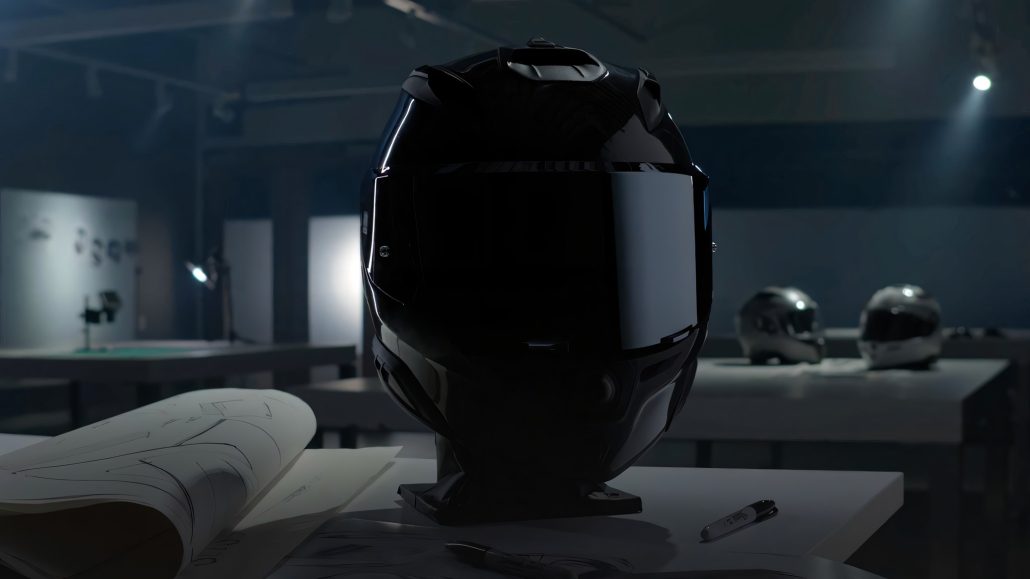
- Full-face helmet with a camera centred below the visor
- Market launch in 2027, price and model name still open
- Registration for a test pilot programme already possible
For a long time there were only hints, now there are the first moving pictures. On 2 November 2026, GoPro released a short teaser video of its first motorcycle helmet, which the company is developing together with the Italian helmet manufacturer AGV. According to the company, it is set to be the world’s first fully integrated helmet with built-in technology. What exactly is inside, however, the two partners are not yet revealing. Alongside the video, an information page went online where interested riders can sign up.
What does the GoPro and AGV teaser show?
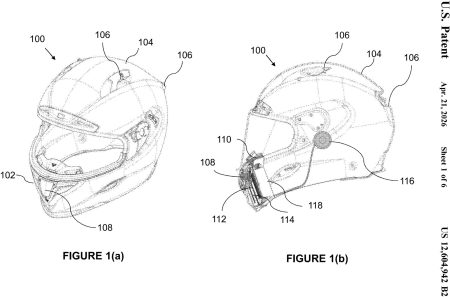
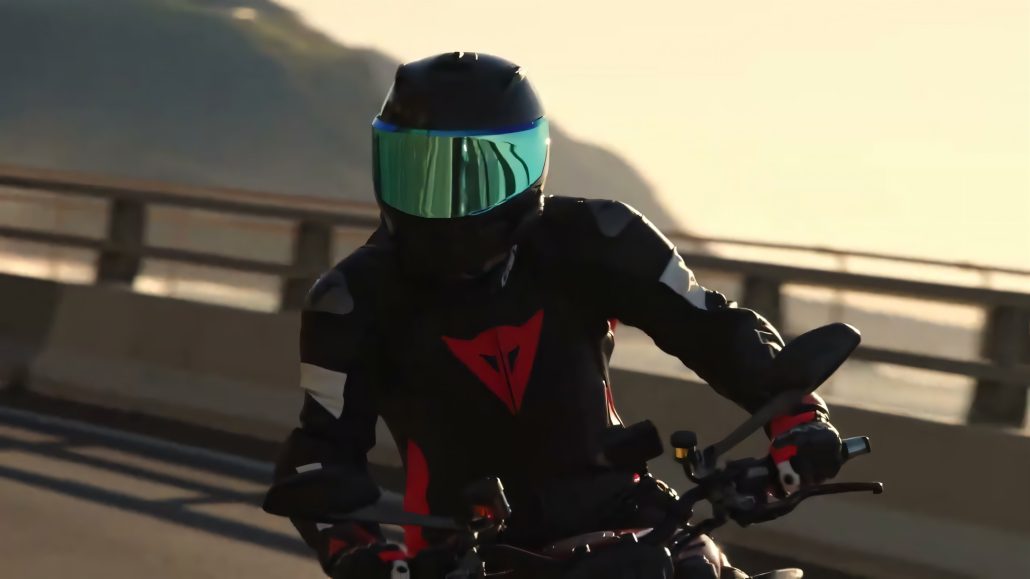
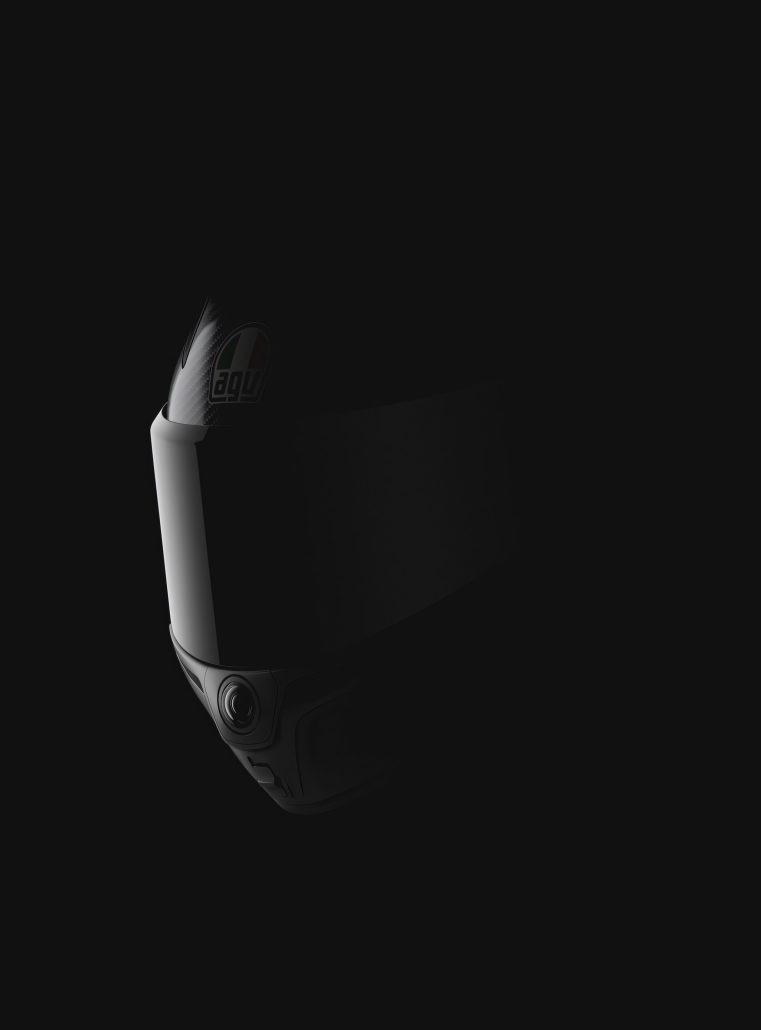
The video shows a full-face helmet with a camera lens in the front below the visor. It also includes footage filmed with the helmet itself.
The first scenes come from the racetrack: the helmet was tested at the Misano World Circuit Marco Simoncelli in Italy. After that, the video switches to country roads. The material does not reveal much more. GoPro limits itself to stating that the helmet is meant to give motorcyclists all the technology and performance they need, fully built in. The company describes the division of tasks as follows: AGV contributes its experience in design and safety, GoPro its expertise in technology and digital imaging.
Where is the camera located in the GoPro AGV helmet?
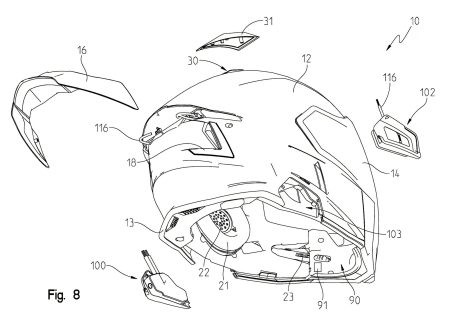
The camera is housed in the centre of the helmet shell directly below the visor. This puts it in a spot where many riders today attach an action cam with a mount.
This eliminates the need for a mount that is glued or screwed on afterwards. For the helmet maker, however, the integration is demanding. Fitting electronics into a protective helmet is no easy task. With the camera at the front of the shell, this can change the ventilation and require adjustments to the shell construction and aerodynamics. That is why AGV plays an important role in the project. The brand is known above all for sporty helmets and has a strong presence in MotoGP.
How wide the field of view is and in what quality the camera records is not known. GoPro also does not say whether its HyperSmooth image stabilisation is on board. The footage itself could provide a small clue: the motorcycle and hands in the foreground appear sharp in the teaser. This points more towards a camera with a short minimum focus distance, such as the Hero13 Black with 30 centimetres. The newer Mission 1 Pro with its larger sensor only focuses from 60 centimetres.
What other features will the helmet get?
That is still open. Only the full-face design, the built-in camera and the year of the market launch have been confirmed.
Other smart helmets with a camera often combine it with a head-up display, meaning a display that projects information directly into the field of view. These are frequently joined by built-in speakers, active noise cancellation and crash detection. Whether the new helmet adopts any of this, GoPro and AGV leave open. AGV itself does not yet have a complete smart helmet in its range. However, individual models such as the Tourmodular already feature a built-in communication system.
How long has GoPro been working on a motorcycle helmet?
The plans go back to early 2024. At that time, GoPro bought the Australian manufacturer Forcite Helmet Systems, which had specialised in high-tech motorcycle helmets.
In 2025, GoPro CEO Nicholas Woodman then made public that the company was working with AGV on technologically upgraded motorcycle helmets. After that, things went quiet around the project for a long time. With the teaser, a concrete product is now visible for the first time, almost three years after the Forcite acquisition. The helmet thus joins the new products that manufacturers are preparing for the 2027 season.
GoPro ahead of its merger with Starman Optical
The helmet comes at a time when GoPro is fundamentally restructuring itself. On 1 September 2026, the company agreed a merger with Starman Optical, a private US company from the field of optics and photonics.
The merger is intended to bring GoPro fresh capital. Debts of around 92 million US dollars (approximately 82 million euros) are to be fully repaid on completion. At the same time, GoPro wants to open up new markets, such as data centres for artificial intelligence, government agencies and the defence and aerospace sectors. The consumer camera business and the subscription offering are to continue. The company remains listed on the Nasdaq stock exchange. The merger is expected to be completed at the end of 2026, subject to approval by shareholders and authorities.
When will the GoPro AGV helmet arrive and how can you test it in advance?
The helmet is due to go on sale in 2027, but there is no exact date yet. The price, model name and target group are also not yet known.
GoPro announces that it will release further details gradually until the market launch. Anyone who wants to be informed early can sign up on the manufacturer’s information page. There is also the option to apply for a test pilot programme. This requires a social media profile and your own helmet size, with sizes XS to XXL available. GoPro does not reveal how many testers will be selected or when the programme will start.
Frequently Asked Questions
-
When will the GoPro AGV helmet go on sale?
The helmet is due to be released in 2027. GoPro and AGV have not yet given an exact date. Further information is to follow before the market launch.
-
How much does the motorcycle helmet from GoPro and AGV cost?
There is no price yet. GoPro has so far published neither a price nor a model name.
-
Where is the camera built into the GoPro AGV helmet?
The camera sits in the centre of the front of the full-face helmet, directly below the visor. A separate mount for an action cam is therefore no longer necessary.
-
Can you test the GoPro helmet in advance?
GoPro is looking for participants for a test pilot programme. You can apply on the manufacturer’s information page with a social media profile and your helmet size. How many places are available is not known.