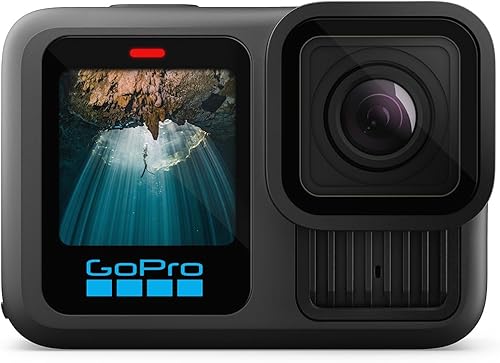
- On June 1, 2026, GoPro filed a Form 8-K with the SEC issuing a so-called going concern warning.
- Cash reserves have shrunk to approximately $49.7 million while credit obligations of around $135 million remain outstanding.
- Soaring memory chip prices driven by the AI industry are further exacerbating the already strained financial situation.
What sounds like stock market routine is actually an alarm signal: when a publicly traded US company officially states in its financial filings that it may not be able to remain solvent within the next twelve months, it is far more than a formality. For the motorcycle community, where GoPro cameras have been standard equipment for years, this development raises the question of what lies ahead for the former market leader in action cameras.
What Exactly Did GoPro File with the SEC?
On June 1, 2026, GoPro filed a so-called Form 8-K with the US Securities and Exchange Commission (SEC). Publicly traded companies are legally required to file this form when material changes in their financial condition occur that are relevant to existing and potential investors.
The core of the filing: GoPro retroactively updated its previously submitted financial reports for fiscal year 2025. The auditing firm PricewaterhouseCoopers (PwC), which has audited GoPro since 2011, added a so-called going concern qualification. The filing states: “There is substantial doubt about the Company’s ability to continue as a going concern.”
PwC justified the qualification by noting that GoPro has recorded operating losses and negative operating cash flows, and that obligations from financing agreements exist that will come due within the next twelve months if certain covenants are not met. Such a warning is a serious signal in the financial world, as it can trigger a vicious cycle: investor confidence drops, fresh capital becomes more expensive, and the financial situation deteriorates further.
How Bad Are the Finances Really?
The numbers paint a clear picture of decline. GoPro’s annual revenue fell to $651.5 million in 2025, compared to $801.5 million the previous year and over $1 billion in 2023. The decline in the core business was particularly dramatic: pure hardware revenue, meaning camera sales, collapsed from $908 million (2023) to just $545 million (2025).
The bottom line for 2025 was a net loss of $93.5 million. Cash reserves shrank to $49.7 million by the end of December 2025, down from $222.7 million two years earlier. Against this stand total credit obligations of approximately $135 million.
To stay afloat, GoPro has increasingly relied on external financing. In August 2025, the company signed a $50 million credit agreement with hedge fund Farallon Capital Management to repay a $93.8 million convertible bond maturing in November 2025. In return, Farallon received warrants to purchase nearly 11.1 million GoPro shares at an exercise price of just $0.75. In February 2026, an additional $50 million in convertible notes followed, which GoPro arranged with Yorkville Advisors’ fund YA II PN.
The problem: the credit agreements contain covenants that GoPro is increasingly unable to meet. These include minimum liquidity requirements that are set to rise to $40 million by September 2026, as well as increasing EBITDA targets. Particularly explosive are the so-called cross-default clauses: a payment default on one loan automatically triggers default on all others, potentially allowing all creditors to simultaneously demand immediate repayment. According to the SEC filing, the lenders could even cite the going concern qualification itself as a default trigger. GoPro says it is in active discussions with Farallon, Wells Fargo, and Yorkville.
The stock market reacted accordingly. GoPro’s stock, traded on NASDAQ under the ticker GPRO, fell from $1.26 to around $1.10 on the day of the filing. For comparison: at its all-time high on October 7, 2014, the stock had closed at $93.85, representing a market valuation of over $11 billion. The company’s current market capitalization stands at just around $188 million.
Why Are Memory Chip Prices Driving GoPro into Crisis?
The already strained financial situation is being massively exacerbated by an external factor that the industry has dubbed “RAMageddon.” Memory chip manufacturers like Samsung and Micron are increasingly shifting their production capacities toward so-called High-Bandwidth Memory (HBM) modules used in AI data centers. Standard DRAM memory, the type device manufacturers like GoPro need, is becoming scarcer and more expensive as a result.
According to the SEC filing, memory prices rose by 80 to 115 percent in the last week of March 2026 alone. At the same time, suppliers signaled that they would reduce delivery volumes to GoPro. For products with end-consumer prices between $300 and $500, such cost increases can only be passed on to buyers to a limited extent.
Adding to the pressure, GoPro is sitting on a non-cancelable purchase commitment for memory components worth $24.5 million. For a company that is running out of cash, this represents a significant burden.
What Role Does Chinese Competition Play?
The memory chip crisis is hitting GoPro at a time when its core business is already under pressure. Demand for traditional action cameras is growing significantly slower than it did a few years ago. Many casual filmmakers now reach for their smartphones, whose camera technology has steadily improved. At the same time, upgrade cycles among existing customers are getting longer.
On top of this comes massive competitive pressure from China. Manufacturers like DJI and Insta360 have overtaken GoPro in several important markets. Retail data from Japan shows, according to media reports, that GoPro’s market share there has dropped from a dominant position to just 19 percent within a few years. Chinese competitors are bringing new models to market at short intervals with aggressive pricing and eye-catching features.
The legal route against competitors also failed to deliver the hoped-for results. In March 2026, the US International Trade Court ruled on GoPro’s patent infringement case against Arashi Vision, the parent company of Insta360. The ITC ruled in GoPro’s favor regarding a single design patent for the HERO camera but dismissed or ruled against GoPro on the simultaneously filed technology patent claims.
Is GoPro Looking for a Buyer?
According to its own statements, GoPro is pursuing multiple paths to secure its survival. The company has engaged investment bank Houlihan Lokey to explore a potential sale or merger. CEO Nicholas Woodman expressed his support for such a move during the Q1 2026 earnings call and subsequently reinforced that verbal statement with a press release.
In parallel, GoPro has hired advisors to explore opportunities in the defense and aerospace sector. The company argues that its cameras were already mounted aboard the Artemis II Orion spacecraft. Additionally, GoPro is attempting to tap additional financing sources and obtain waivers from its creditors.
At the same time, GoPro is implementing aggressive cost-cutting measures. As early as November 2024, the company had laid off a quarter of its workforce. In April 2026, a further reduction of approximately 23 percent of remaining employees followed, expected to be completed by the end of 2026 at an estimated cost of $11.5 to $15 million. The company is also selling assets.
In the SEC filing, GoPro states unequivocally what will happen if these measures fail: “Without obtaining additional sources of financing or consummating a strategic transaction, the company’s ability to continue as a going concern would be materially and adversely impacted, and the company may be required to significantly reduce, restructure, cease operations, or seek protection under the Federal bankruptcy laws.” The company emphasizes, however, that no concrete bankruptcy plans have been initiated to date.
From Surfboard to Stock Exchange: The Long Fall of an Icon
The potential demise of GoPro would mark the end of a remarkable founding story. Nicholas Woodman, a graduate of the University of California San Diego with a degree in Visual Arts (class of 1997), came up with the idea in 2002 during a surfing trip in Australia and Indonesia, when he strapped a 35mm camera to his wrist with a rubber band to film himself surfing. For startup capital, he borrowed approximately $235,000 from his parents and sold homemade shell bead necklaces from a Volkswagen bus. The first GoPro cost around $30.
For Woodman, it was already his third attempt as an entrepreneur. Two earlier ventures had failed, including a gaming startup called Funbug that went under in 2001, losing $3.9 million in investor funds.
On June 26, 2014, GoPro went public at an offering price of $24 per share. The stock closed at $31.34 on its first trading day, valuing the company at nearly $4 billion. On October 7, 2014, the stock reached its all-time high of $93.85, making GoPro worth over $11 billion. Woodman was temporarily declared the highest-paid CEO in America after reportedly receiving a stock package worth approximately $284.5 million.
Then the decline began. Smartphone cameras kept getting better, cheaper competitors entered the market, and GoPro’s diversification attempt with the Karma drone ended in disaster. In November 2016, the company had to recall approximately 2,500 Karma drones after devices lost power during flight. In 2018, GoPro shut down its drone division. Woodman’s cash salary was reduced to a symbolic $1 per year, and the company cut over 20 percent of its workforce.
What Does This Mean for Motorcyclists and Action Cam Users?
For motorcyclists, GoPro has been a household name for years. The HERO series cameras are considered standard equipment for helmet cameras, tour documentation, and track day footage. A potential end of GoPro would not mean that existing cameras stop working, but in the long term, firmware updates, cloud services, the GoPro subscription platform, and spare parts support would be in question.
The action camera market is not facing extinction. Manufacturers like DJI with the Osmo Action series and Insta360 already offer capable alternatives that have increasingly established themselves in the motorcycle segment. Should GoPro actually be sold, the key question would be whether a potential buyer continues the brand and product ecosystem or acquires the company primarily for its patents and trademark rights.
A comparison with KTM comes to mind, even though the industries are different: the Austrian motorcycle manufacturer also faced an existential crisis and found a way back with investor Pierer Industrie. Whether GoPro will find such a savior remains to be seen.
Frequently Asked Questions
-
Is GoPro facing bankruptcy?
In an SEC filing dated June 1, 2026, GoPro itself expressed “substantial doubt” about its own ability to continue as a going concern. The company is actively seeking additional financing or a buyer but emphasizes that no concrete bankruptcy plans have been initiated to date.
-
Why is GoPro in financial trouble?
The causes are multifaceted: annual revenue fell from over $1 billion (2023) to $651.5 million (2025), cash reserves shrank to $49.7 million, and soaring memory chip prices driven by the AI boom are placing additional strain on production. Market share losses to Chinese competitors like DJI and Insta360 add to the pressure.
-
Is GoPro being sold?
GoPro has engaged investment bank Houlihan Lokey to explore a potential sale or merger. CEO Nicholas Woodman has publicly expressed his support for such a move. A specific buyer or timeline has not been announced.
-
How far has GoPro’s stock price fallen?
GoPro’s stock (NASDAQ: GPRO) traded at around $1.10 following the SEC filing. For comparison: at its all-time high in October 2014, the stock stood at $93.85, representing a market valuation of over $11 billion.
-
What does the memory chip crisis have to do with GoPro?
Manufacturers like Samsung and Micron are shifting their production capacities in favor of AI memory chips. Standard DRAM is becoming scarcer and more expensive as a result. According to GoPro, memory prices rose by 80 to 115 percent in the last week of March 2026 alone, placing massive strain on the company’s already thin liquidity.