- S&P downgraded the rating from BBB- to BB+ on July 8, 2026, with the outlook remaining “stable”
- The reason is the expected low profit margin, not a drop in sales
- Little changes in the short term for riders and dealers
For Harley-Davidson, it’s an uncomfortable signal from Wall Street. Rating agency S&P Global has downgraded the creditworthiness of the US motorcycle manufacturer, stripping it of its status as a relatively safe bond investment. The headlines make it sound dramatic, but a closer look at the reasoning tells a different story. S&P doesn’t see Harley-Davidson on the brink of collapse, but rather in the middle of a costly overhaul. The downgrade fits into the larger story of a brand trying to reinvent itself after years of expensive motorcycles.
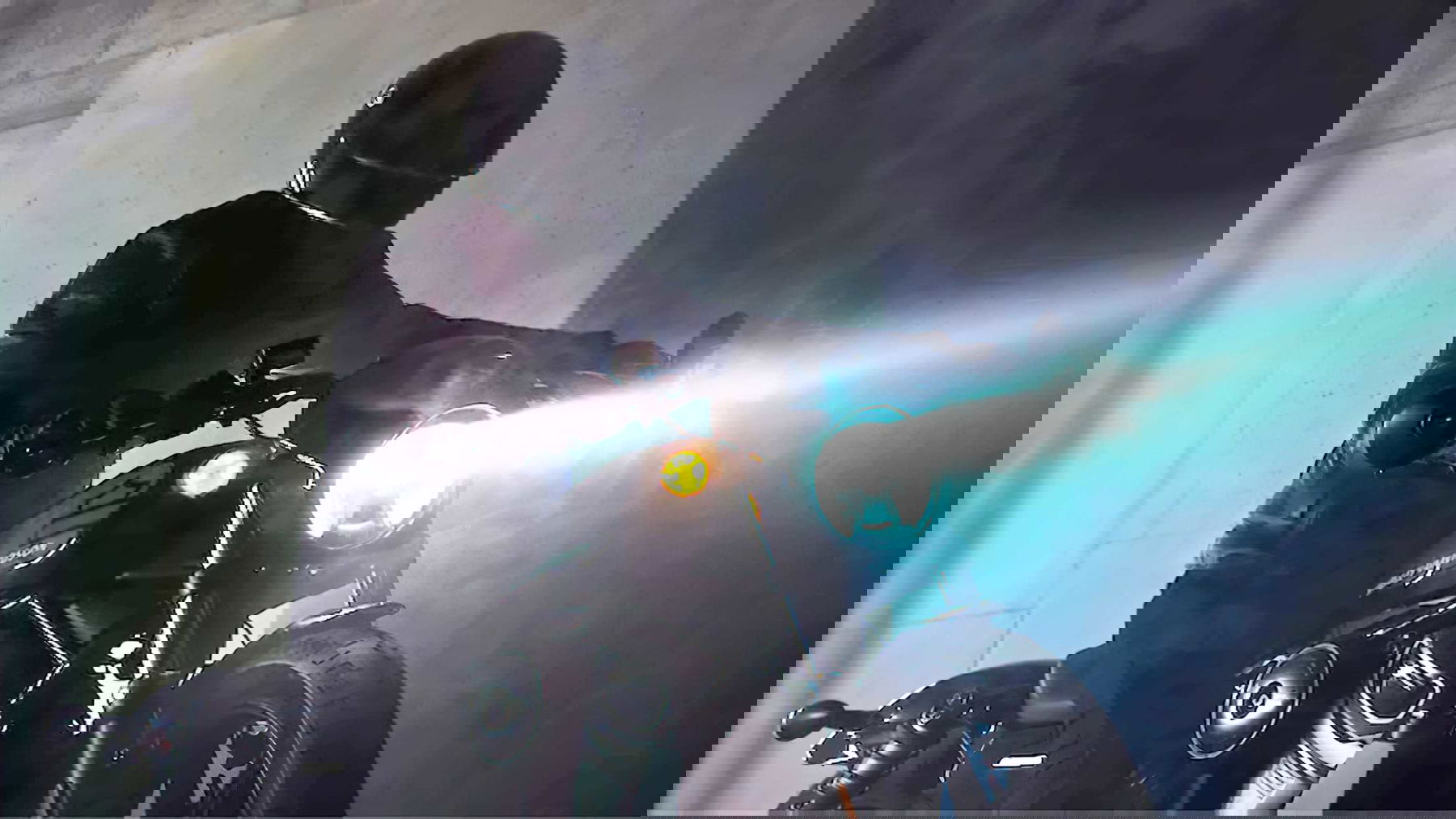
Why did S&P downgrade Harley-Davidson?
S&P bases the downgrade primarily on the expected low profit margin, not on declining sales figures. Under CEO Artie Starrs, who has been in office since October, the company wants to win new customers with cheaper, more accessible motorcycles. According to S&P, this strategy can boost sales and market share, but it will weigh on profit per motorcycle sold for an extended period. The rating agency expects operating income and margins to remain under pressure at least through 2027. Restructuring costs and tariffs are adding further strain to the current year.
What does a BB+ rating actually mean?
A BB+ rating is the highest tier within speculative-grade territory, one notch below investment grade. Credit ratings are essentially report cards for companies that borrow money. BBB- was previously the lowest rung within the range considered safe, while BB+ sits one step below in the speculative zone often called “junk” in financial markets. For Harley-Davidson, that means lenders see higher risk and are likely to demand higher interest rates on loans. S&P also lowered its rating on the company’s unsecured notes to BB+ and assigned a recovery rating of 3. The agency had previously placed the company on CreditWatch with negative implications since February 11, 2026; that designation has now been removed. The short-term rating of financing arm Harley-Davidson Financial Services also fell, dropping to B from A-3.
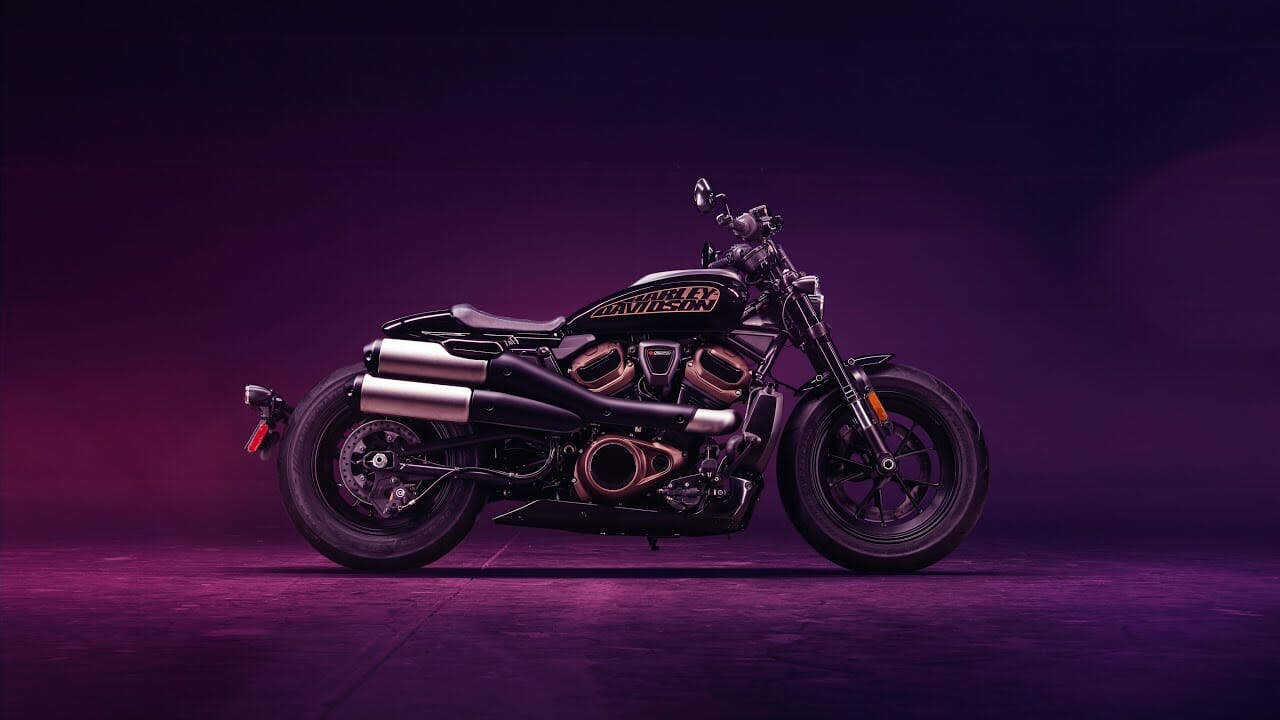
Why is the profit margin falling despite potentially higher sales?
The margin is shrinking because Harley-Davidson plans to sell more affordable motorcycles that generate less profit per unit. Until now, the brand was at home in the high-price segment, with models costing up to roughly $50,000 (about €46,000). Since 2020, the manufacturer had focused heavily on premium models, which supported margins but left entry-level buyers out in the cold. The shift toward smaller, higher-volume, less profitable motorcycles is now costing returns. S&P expects an adjusted EBITDA margin of just five to six percent for 2026, including operating losses at LiveWire. By comparison, that margin exceeded 16 percent in 2022 and 2023, with gross margin above 30 percent. Harley-Davidson itself is targeting a gross margin of 25 to 30 percent and an EBITDA margin of 10 to 12 percent for its operating subsidiary over the next three to five years.
Additional burdens are piling up too. The company plans to cut costs by roughly $150 million (about €138 million), which should support operating income in 2027. In the first quarter alone, restructuring costs of roughly $15 million (about €14 million) were already incurred, including for job cuts and severance payments. In March, Harley-Davidson notified an undisclosed number of employees about a global workforce reduction. On top of that come tariff costs, primarily on steel and aluminum, of roughly $75 to $90 million (about €69 to €83 million) for 2026, down from an earlier estimate of roughly $75 to $105 million (about €69 to €97 million). Management expects tariff pressure to peak in 2026, with relief expected afterward from changes in trade policy and new exemptions for certain motorcycle parts.
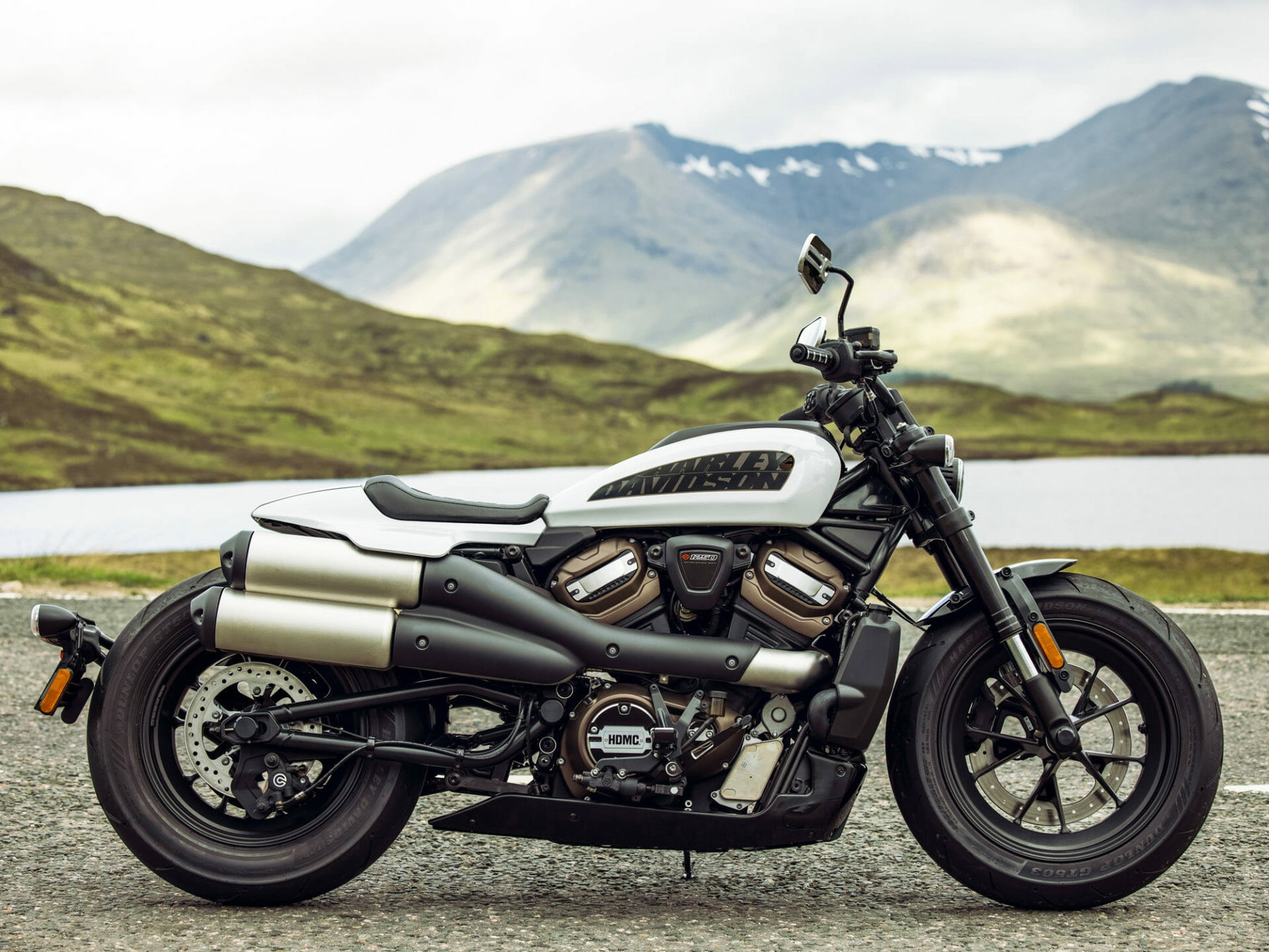
How much has Harley-Davidson’s market share fallen?
Harley-Davidson’s share of the US market for new motorcycles with more than 601 cubic centimeters of displacement fell from 49.1 percent in 2019 to roughly 34.5 percent in 2025. That figure refers to the larger machines that form the core of the business, not to every motorcycle sold. When all displacement classes are counted, including small machines, scooters, and off-road bikes, the share is considerably lower. According to S&P, a large part of the decline in the large-displacement segment came directly after the Sportster was discontinued. Within the heavyweight class, Harley-Davidson remained dominant between 2019 and 2025 with a share above 70 percent, partly because many buyers’ preferences shifted toward smaller machines. S&P considers it possible that the company could lift its share in the large-displacement segment back into the mid-40-percent range, mainly through new models and especially through the return of the Sportster.
What is Harley-Davidson planning with “Back to the Bricks”?
With its “Back to the Bricks” strategy, the manufacturer wants to offer more affordable models and bring parts of production back to the US. Two motorcycles are at the center of this: the new Sprint and the returning Sportster, which was discontinued in 2022. Both are set to launch at entry-level prices, with the Sportster starting at roughly $10,000 (about €9,200) and the Sprint below that. Market launch is planned for late 2026 and 2027. According to management, dealers had long been calling for more affordable models, the Sportster above all. The strategy also includes bringing machining, powertrain assembly, painting, and final assembly back to sites in Pennsylvania and Wisconsin. The Trump administration described the move as an “American manufacturing win!”
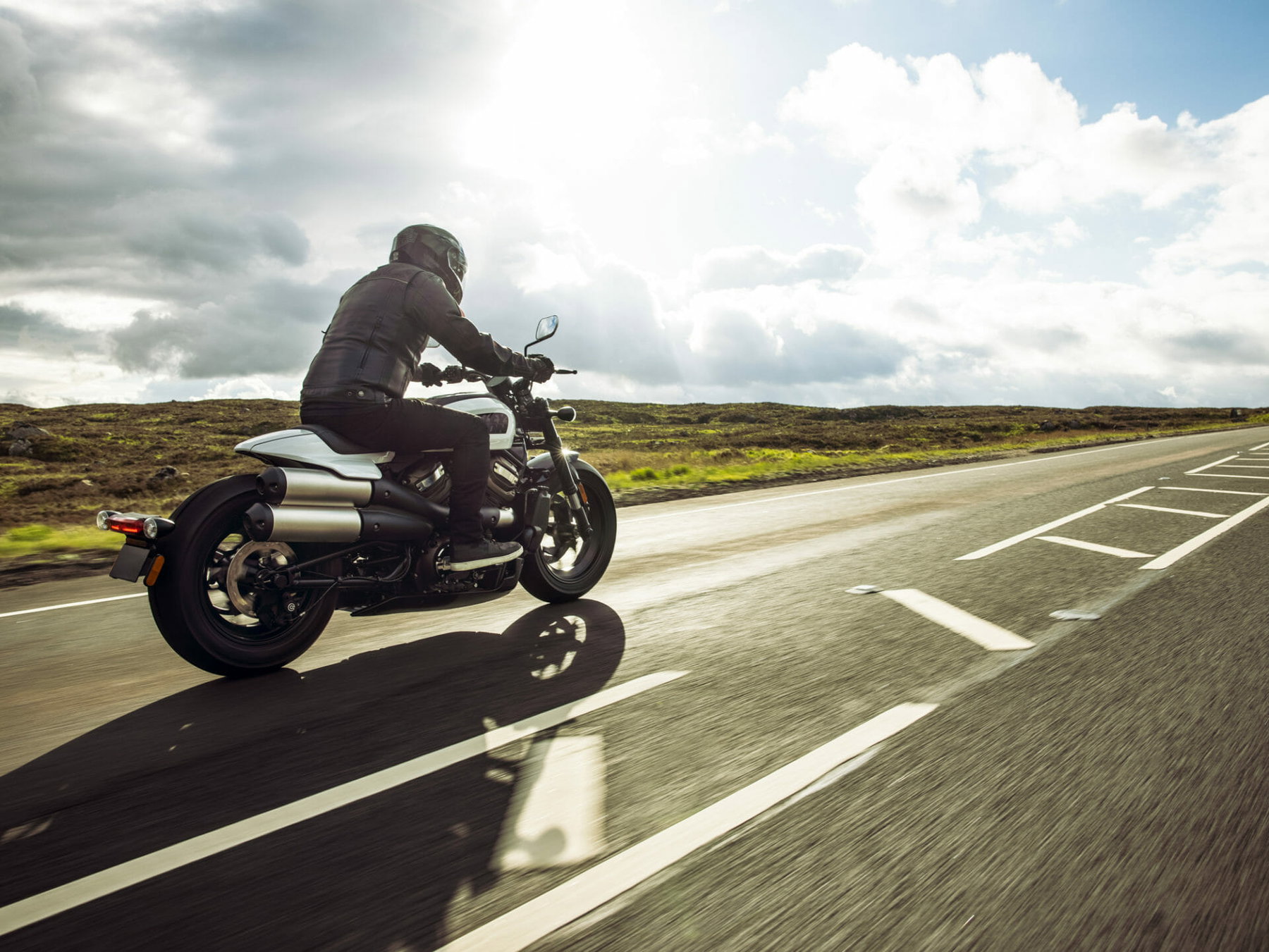
What does the downgrade mean for riders and dealers?
In the short term, little changes for riders and dealers. Harley-Davidson still has access to financing markets, dealers continue to receive motorcycles, and the company is considered stable enough that S&P set the outlook at “stable” rather than “negative” despite the downgrade. The real question only arises over the medium term. If sales don’t grow fast enough, or if the cheaper models don’t bring enough new customers into showrooms, financing costs could keep rising. That would make it harder to justify future investments in products, technology, and expansion.
How much financial pressure is Harley-Davidson under?
Despite the downgrade, Harley-Davidson is considered solidly financed. As of March 31, the company held roughly $1.8 billion (about €1.66 billion) in cash and had access to more than roughly $2 billion (about €1.84 billion) through various programs. According to S&P, the stable outlook rests on this liquidity and the company’s commitment to keeping debt low. At the same time, the company carried roughly $1.63 billion (about €1.5 billion) in long-term net debt on its books. The two other major rating agencies, Moody’s and Fitch, continue to rate Harley-Davidson at a level equivalent to investment grade, though Fitch maintains a negative outlook. Going forward, the key question remains whether the company can grow sales without putting too much strain on margins.
Frequently Asked Questions
-
Why was Harley-Davidson’s credit rating downgraded?
S&P Global lowered Harley-Davidson’s rating from BBB- to BB+ on July 8, 2026. The reason is the expected low profit margin from selling more affordable motorcycles, compounded by restructuring and tariff costs. A drop in sales was not the trigger.
-
What does the BB+ rating mean for Harley-Davidson?
BB+ is the highest tier within speculative-grade territory, one notch below investment grade. For the company, that means lenders see higher risk and are likely to demand higher interest rates on new loans. Business with riders and dealers doesn’t change in the short term as a result.
-
How much has Harley-Davidson’s market share declined?
For new motorcycles with more than 601 cubic centimeters of displacement, the US share fell from 49.1 percent in 2019 to roughly 34.5 percent in 2025. This figure represents the large core business, not the overall market across all displacement classes. A large part of the decline came after the Sportster was discontinued, and S&P considers a recovery into the mid-40-percent range possible.
-
How much will the new Harley-Davidson Sportster cost?
The returning Sportster is set to start at an entry-level price of roughly $10,000 (about €9,200), with the new Sprint priced below that. Market launch for both models is planned for late 2026 and 2027.
-
Is Harley-Davidson in financial danger?
No, S&P sees no acute risk to the company’s survival. As of March 31, the company held roughly $1.8 billion (about €1.66 billion) in cash, and the outlook remains “stable.” Moody’s and Fitch continue to rate the company at investment-grade level, with Fitch maintaining a negative outlook.