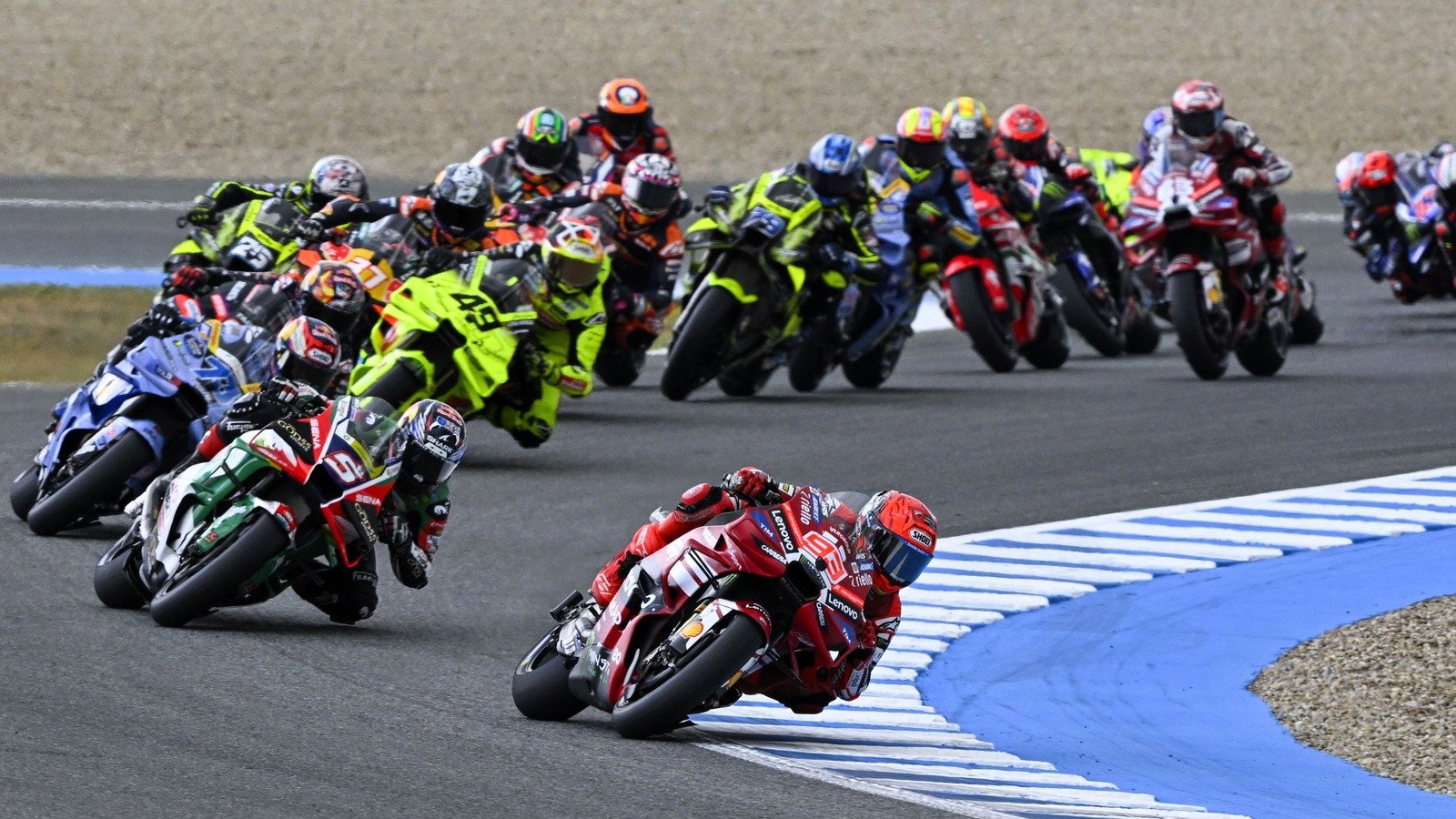
- From 2027, a dedicated qualifying session is set to decide the grid for the sprint
- Unlike Formula 1, the sprint is to remain on Saturday afternoon
- A three-stage qualifying with Q1, Q2 and Q3 is also under discussion
Since sprints were introduced in 2023, a single qualifying session has decided both MotoGP races of the weekend. Anyone who slips up on Saturday morning starts from the back twice. According to reports, that is exactly what is set to change. The series organisation has proposed to teams and manufacturers in their joint dialogue forum that qualifying be split. Approval is expected in the coming days so that the new format can start with the 2027 season. The proposal comes at a time when the premier class is already facing its biggest shake-up in years.
What is MotoGP planning for qualifying from 2027?
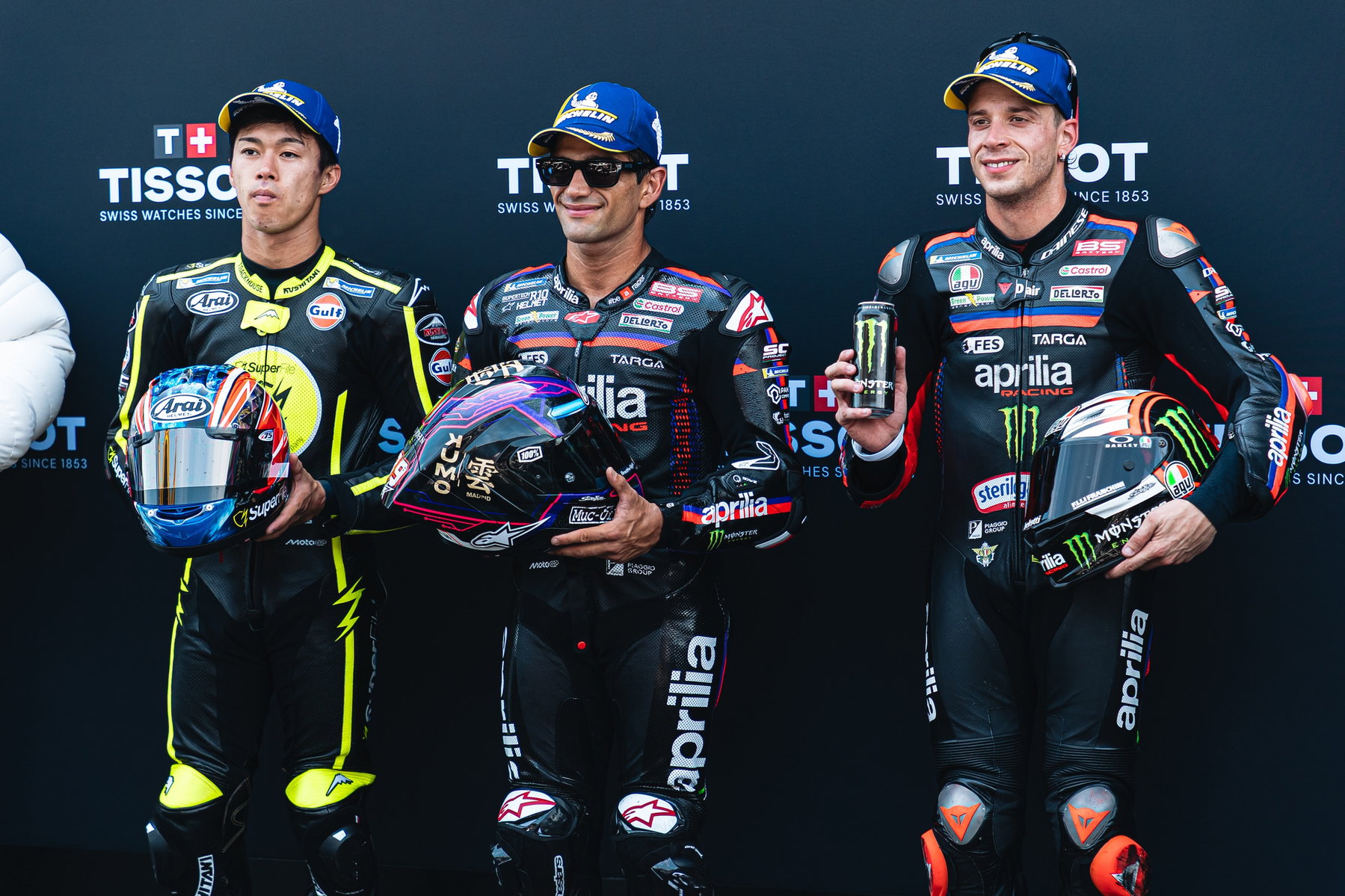
MotoGP plans to run two separate qualifying sessions at every race weekend from 2027. One session would set the grid for Saturday’s sprint, the other the grid for Sunday’s Grand Prix.
The initiative was tabled in the dialogue forum between the promoter, the teams and the manufacturers. Most of those involved are said to have received the proposal positively, both on the team side and among the manufacturers. The change has not been officially confirmed, however. Before it can be written into the regulations, the timetable for each race weekend has to be finalised first.
The model is Formula 1. There, weekends with a sprint have featured a separate sprint qualifying for years. The 2027 Formula 1 calendar contains ten sprints; in the current 2026 season there are six. MotoGP, by contrast, runs a sprint at all 22 weekends. A sprint qualifying would therefore have to be fitted into every single Grand Prix.
How does a MotoGP weekend work at the moment?
At present, a single qualifying session on Saturday morning decides the grid positions for both the sprint and the Grand Prix. The road to it, though, starts on Friday.
Friday morning brings the first free practice session, lasting 45 minutes. In the afternoon comes the 60-minute practice session. It carries a lot of weight, because the ten fastest riders go straight through to the second qualifying segment, Q2. Everyone else has to take the detour via Q1 on Saturday.
Saturday starts with a 30-minute second free practice session. Q1 follows, lasting 15 minutes, with only the two fastest riders advancing to Q2. For the rest, grid positions from 13th to the back of the field are settled at that point. Twelve riders then contest Q2, also over 15 minutes, to decide pole position and the first twelve grid slots. In the afternoon comes the sprint over half the distance of the main race. Sunday starts with a ten-minute warm-up before the Grand Prix is run over full distance.
How does the MotoGP plan differ from the Formula 1 format?
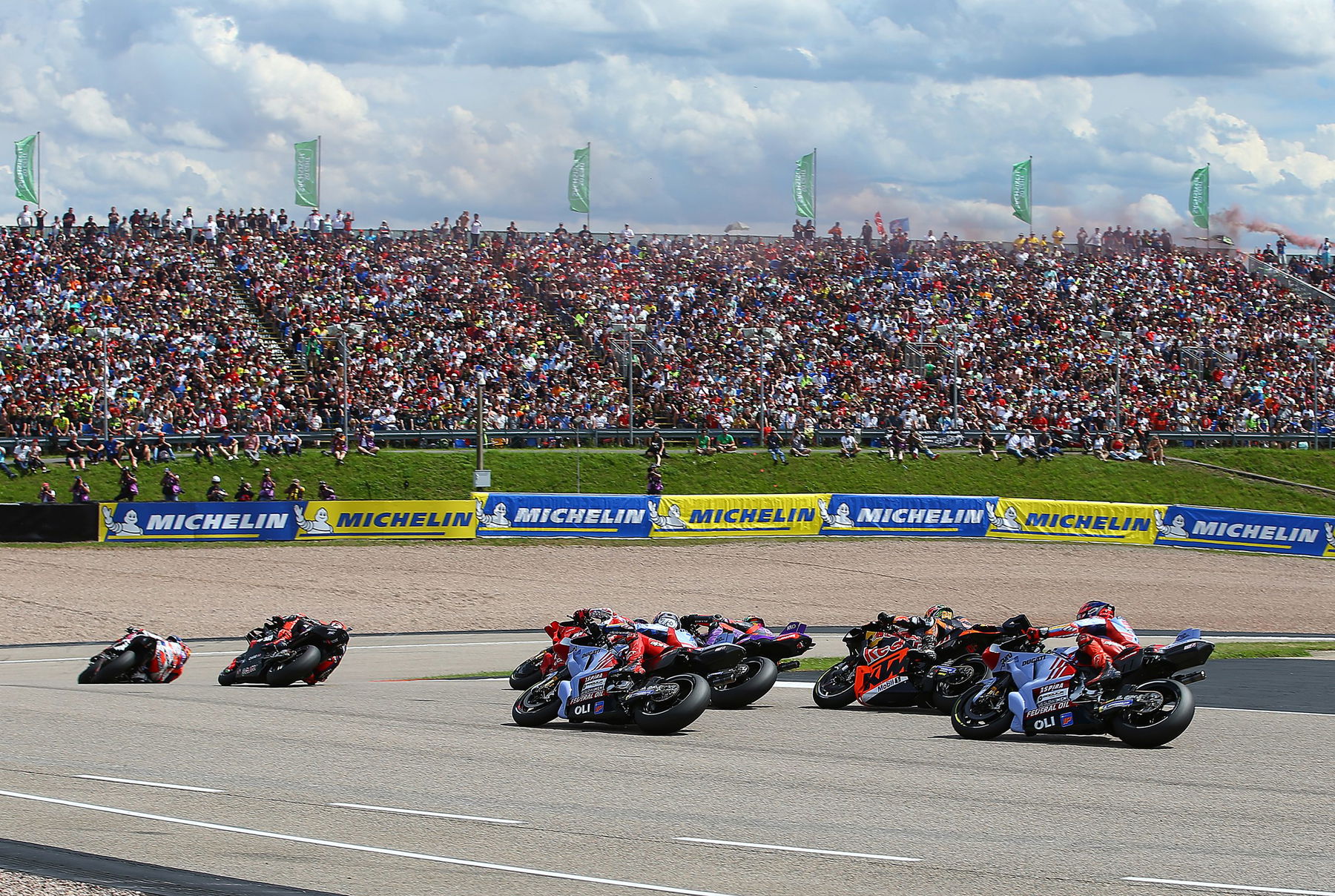
The most important difference concerns the timing of the sprint. MotoGP wants to keep the sprint where it is, late on Saturday afternoon, while Formula 1 runs its sprint on Saturday morning and reserves the afternoon for qualifying for the main race.
Exactly how the two qualifying sessions are supposed to fit into the MotoGP timetable is still open. The riders already find their weekends very full, between track sessions, sponsor commitments and media duties. Since the sprints were introduced they have also pointed to the increased stress and the higher risk. They have only a single free practice session on Friday morning before the practice session is already about going straight through to Q2.
Is a three-stage qualifying with Q3 coming as well?
One of the parties involved is additionally pushing to split qualifying itself into three segments. Instead of the current two stages, Q1 and Q2, there would then be Q1, Q2 and Q3, as in Formula 1. Whether this part of the proposal finds a majority is not yet known.
Why should qualifying be split at all?
The main reason is that a poor qualifying session is punished twice under the current system, because it determines the grid for two races. The pressure therefore already starts on Friday afternoon.
The idea is not new. Davide Brivio, then still team principal at Trackhouse, publicly proposed exactly this model in December 2025. “Personally, I would split the qualifying. One qualifying for the Sprint and one qualifying for the Grand Prix race,” he said. He conceded that fitting it into the timetable could be difficult. Even so, he considered the change necessary, because a rider should not have to throw away his entire weekend as early as Friday afternoon.
From the riders’ point of view, there is the added issue that outside circumstances can ruin qualifying. Yellow flags automatically mean that lap times in the affected sector are deleted. Honda rider Luca Marini described the problem like this: “If you get screwed by a crash or a yellow flag, it’s a shame to throw away the entire weekend.” Marini suggested letting four riders rather than two advance out of Q1.
Has the sprint qualifying already been decided?
No, the sprint qualifying has not been decided yet. The change has to be ratified by the Grand Prix Commission before it appears in the regulations.
This year has already shown that a proposal can still fail along that route. The single-bike rule for 2027 was regarded as good as settled early in the year and then fell through after all. It is also unclear how far the riders were involved in the decision on the sprint qualifying. In 2022 they learned from the media at the Grand Prix of Austria that MotoGP would be introducing sprints.
Spielberg is therefore also the place where, four years ago, the intention to introduce sprints in MotoGP first became known. Formula 1 was already running sprints at that point. Unlike Formula 1, which started with three sprints per season and increased the number step by step, MotoGP introduced the format at every race weekend straight away in 2023. That decision came three years before Liberty Media completed its takeover of Dorna Sports. The deal with the holder of the commercial MotoGP rights was sealed in mid-2025.
How does the proposal fit the 2027 MotoGP season?
The sprint qualifying would be another element in the upheaval of the 2027 MotoGP season, which also sees the new technical regulations with 850cc engines come into force. Brivio had already placed the format question in that context back in December 2025.
The regulations always have to be geared towards the show, he said at the time. A major rule change was coming, but you always had to think about what could be done to improve the show. Whether MotoGP really will run two qualifying sessions from 2027 should be decided in the next few days. Until then it remains a proposal that enjoys broad support but has not yet passed through every level.
Frequently Asked Questions
-
When will MotoGP introduce sprint qualifying?
MotoGP is planning sprint qualifying for the 2027 season. The proposal is expected to get the green light in the coming days but still has to be ratified by the Grand Prix Commission.
-
How many qualifying sessions will MotoGP have from 2027?
From 2027 there are to be two qualifying sessions at every race weekend, one for the sprint on Saturday and one for the Grand Prix on Sunday. Until now a single qualifying session has set the grid for both races.
-
When will the MotoGP sprint take place under the new format?
The sprint is to be run late on Saturday afternoon, as before. That is where the MotoGP plan differs from Formula 1, which holds its sprint on Saturday morning.
-
Will MotoGP get a qualifying format with Q1, Q2 and Q3?
One of the parties involved is pushing for a three-stage qualifying format as used in Formula 1. Whether this part of the proposal will be implemented is still open.
-
Who came up with the idea of separate qualifying sessions?
Davide Brivio publicly proposed the model back in December 2025, when he was Trackhouse team principal. He argued that under the current system a poor qualifying session costs a rider the entire weekend.