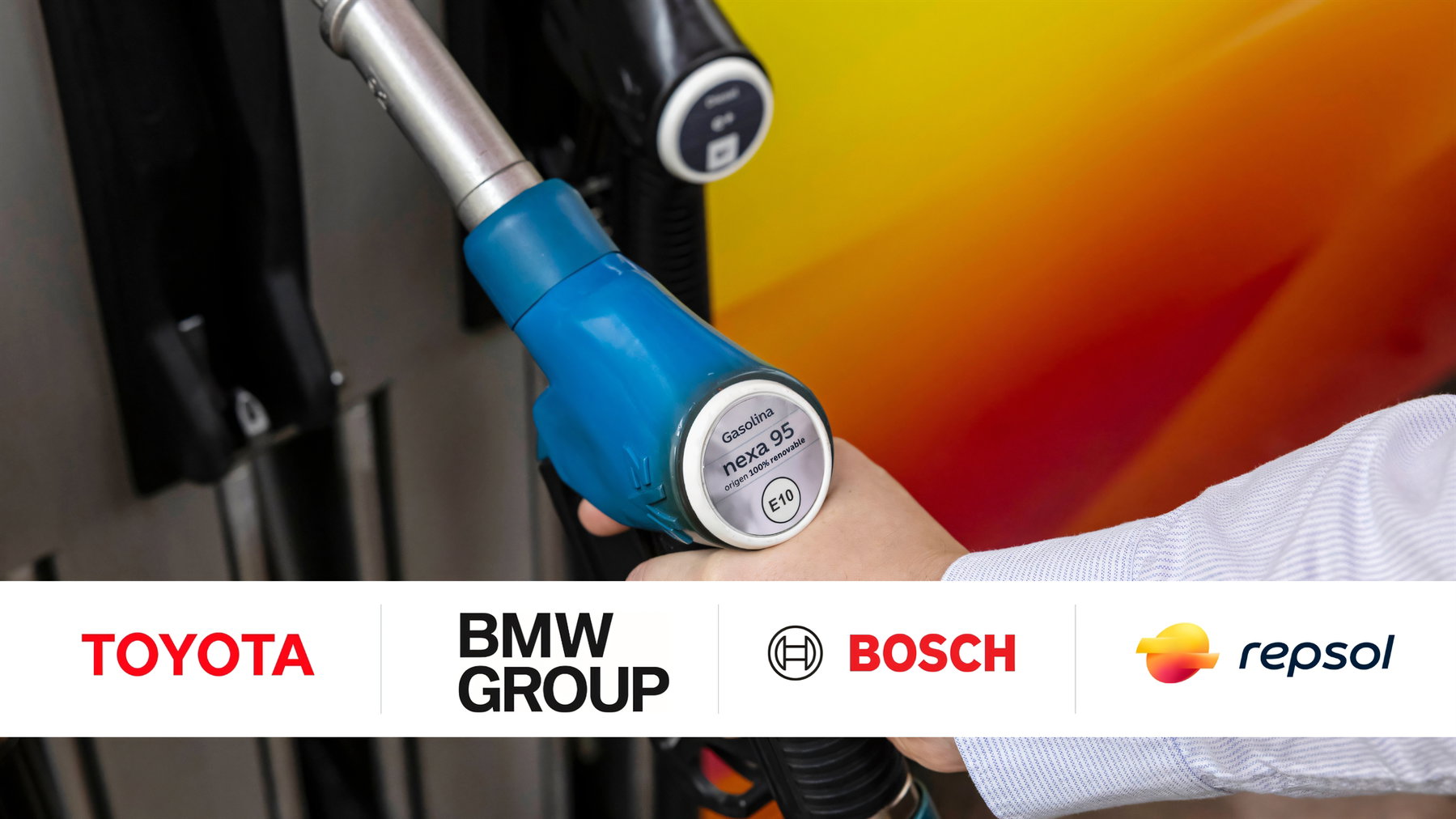
- About 20 vehicles from BMW, Toyota, and Lexus will run on Repsol’s renewable gasoline Nexa 95 for six months.
- According to Repsol, the fuel is meant to cut CO2 emissions by more than 70 percent compared with conventional gasoline.
- Bosch uses a digital system to verify that only the renewable fuel is actually being used.
For a long time it looked as if there was only one route to clean vehicles: pure electric drive. Now some of the industry’s biggest names are pushing a different idea. BMW, Toyota, supplier Bosch, and energy company Repsol want to prove in everyday use that the combustion engine can still have a future, if it gets the right fuel. In early July, a six-month test began in Spain, which the partners officially presented on July 15, 2026.
What’s Behind the Renewable Gasoline Test?
Four companies are running around 20 vehicles in Spain exclusively on 100 percent renewable gasoline for six months to gather data under real everyday conditions. The BMW Group, Toyota Motor Europe, Bosch, and Repsol are all involved.
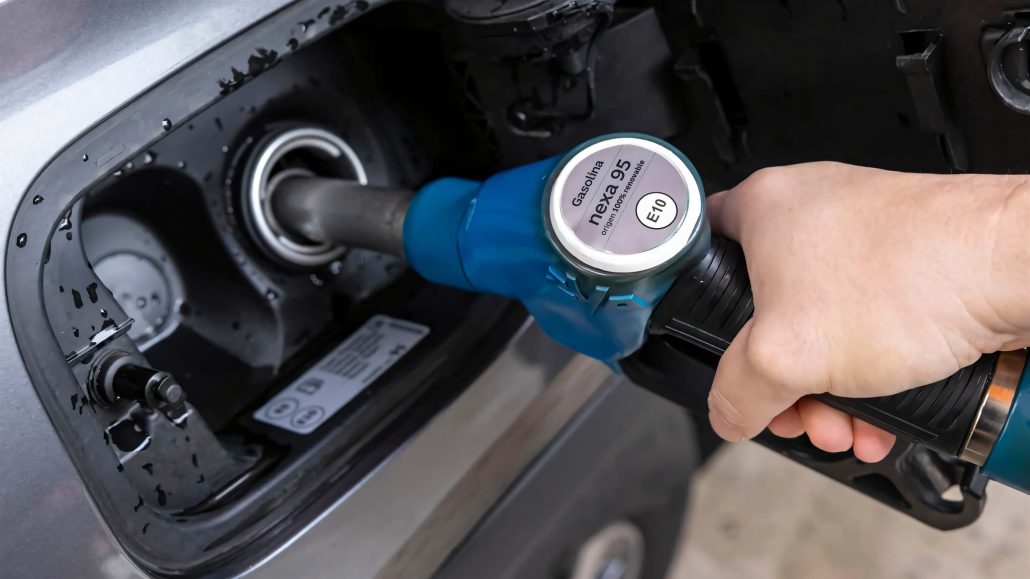
The fleet consists of passenger cars from Toyota and Lexus, provided by Toyota España, as well as BMW and Mini vehicles from company fleets. The partners stress that this is not a lab test. The cars run in normal daily operation and refuel at ordinary gas stations. In technical terms, the project runs under the designation VEEF, which stands for vehicles that operate exclusively on approved fuels.
How Does Repsol’s Nexa 95 Work?
Nexa 95 is a gasoline made entirely from renewable raw materials that works in ordinary gasoline engines. The fuel can be filled up just like conventional gasoline, without any modifications to the engine.
Repsol produces the fuel from raw materials that meet the requirements of the European Renewable Energy Directive, such as waste and residual materials. According to the company, Nexa 95 is meant to cut CO2 emissions by more than 70 percent compared with regular gasoline. The basic idea: burning the fuel releases only as much CO2 as the organic source materials previously absorbed. This approach differs from so-called e-fuels. E-fuels are synthetic fuels made from captured carbon dioxide and hydrogen. Renewable gasoline, by contrast, is made from organic residual materials.
How Does Bosch Ensure Only Renewable Fuel Is in the Tank?
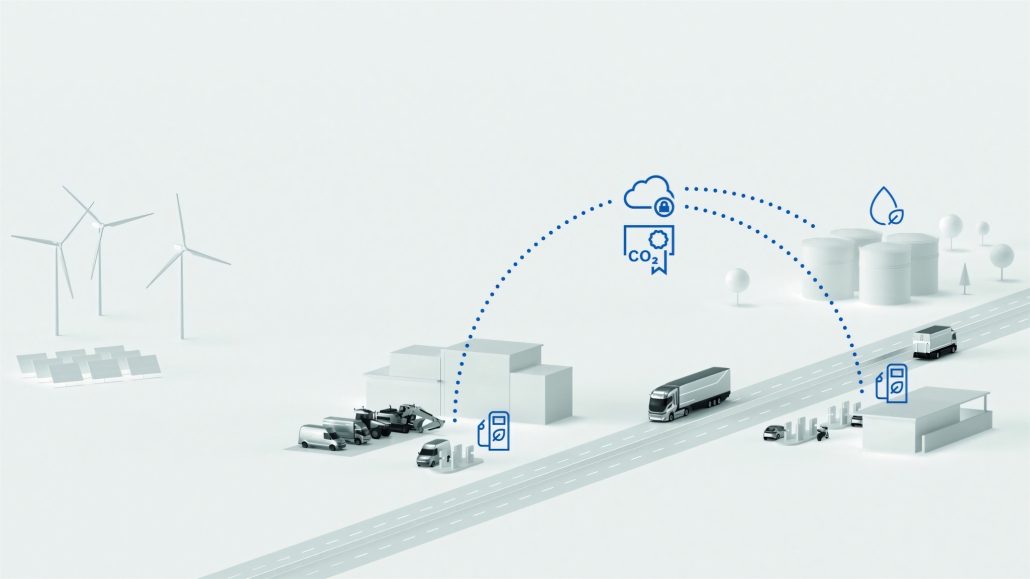
Bosch uses a digital system called Digital Fuel Twin that tracks every refueling event without gaps. This makes it possible to prove that only renewable fuel is actually used throughout the entire test period.
To do this, the system collects and cross-checks data from multiple sources: information from the vehicle, the gas station, and fuel card billing. Bosch says its system delivers full digital transparency across the entire chain, from the moment the fuel enters the market to the end customer. This kind of proof is considered essential. If renewable fuels are to be factored into future laws and regulations, manufacturers and authorities need a reliable method to verify which fuel a vehicle actually used.
Why Is the Test Taking Place in Spain?
Spain was chosen because Repsol is the only supplier there selling 100 percent renewable gasoline at public gas stations. That makes it possible to run the test under normal conditions rather than as an isolated demonstration.
Also contributing are the close cooperation between the partners and the support from Toyota España in day-to-day operations. The project relies entirely on vehicles and gas stations that already exist. According to those involved, no new vehicle technology or costly infrastructure investment is needed. The companies see this as an advantage over expanding charging infrastructure for electric cars, which requires a lot of money and extensive construction work.
What Does the Test Have to Do With EU Policy?
The companies involved want to use the results to lobby in Brussels for allowing multiple technologies to reduce transport emissions, rather than relying almost exclusively on the electric car. Interim results and data from the project are to be shared with EU policymakers, the industry, and the media.
Pascal Ruch, responsible for corporate and government affairs at Toyota Motor Europe, says renewable fuels could play a key role alongside electrification in cutting CO2 emissions. He points out that as the transition progresses, the risk grows that the goal of 100 percent emissions-free new cars by 2035 may not be fully achieved. In that case, renewable fuels could help close the gap, especially in combination with hybrid and plug-in hybrid technology.
Repsol emphasizes the same approach. Estíbaliz Pombo, head of energy products there, says: “At Repsol, we believe every emissions-reduction solution has a role to play in decarbonizing transport.”
The debate over the right path has been going on for years, and this test fits into the larger discussion about what role the combustion engine will still play in the coming years. According to reports, the planned 2035 ban on new combustion-engine cars was eased at the end of last year. Under the new approach, new cars with emissions would still be allowed to be sold after 2035, provided they meet certain conditions, such as the use of sustainable fuels. However, the new rules are not yet in force and would require emissions from new vehicles to fall by 90 percent compared with 2021 levels. Pure electric cars therefore remain a central pillar of the EU strategy. Their share has risen sharply recently: in May, the share of newly registered pure electric cars in the EU, EFTA countries, and the UK stood at 23.3 percent, up from 17.4 percent in the same month a year earlier.
What Criticism Exists of Renewable Fuels?
Critics doubt that renewable fuels can be produced in sufficient quantities and at affordable prices to become widely established. This is exactly the point that will determine whether the idea becomes more than a niche offering.
The test alone will not settle this question. Twenty vehicles over six months are hardly enough to reshape an entire continent’s transport policy. But it does show that several major manufacturers are still investing time and money in the combustion engine. Brands like BMW, Porsche, and Toyota have long argued that low-carbon fuels should stand alongside electric mobility, precisely because millions of gasoline-powered vehicles will remain on European roads for years to come.
Frequently Asked Questions
-
What is renewable gasoline?
Renewable gasoline is a fuel made from renewable raw materials such as waste and residual materials that runs in ordinary gasoline engines. The test uses Repsol’s Nexa 95, which can be used without any modifications to the engine.
-
How much does Nexa 95 reduce CO2 emissions?
According to Repsol, Nexa 95 cuts CO2 emissions by more than 70 percent compared with conventional gasoline. Reliable real-world figures are expected to come only from the six-month field test.
-
Which vehicles are taking part in the test?
Around 20 vehicles are taking part in the test, including passenger cars from Toyota and Lexus as well as models from BMW and Mini. They operate in normal daily use and refuel at public Repsol stations.
-
How long does the test run and where does it take place?
The test runs for six months and takes place in Spain. It began in early July 2026 and was officially presented on July 15, 2026.
-
Does the engine need to be modified for renewable gasoline?
No. Nexa 95 is designed to be used in existing gasoline engines and through the existing gas station infrastructure, without any technical modifications to the vehicle.