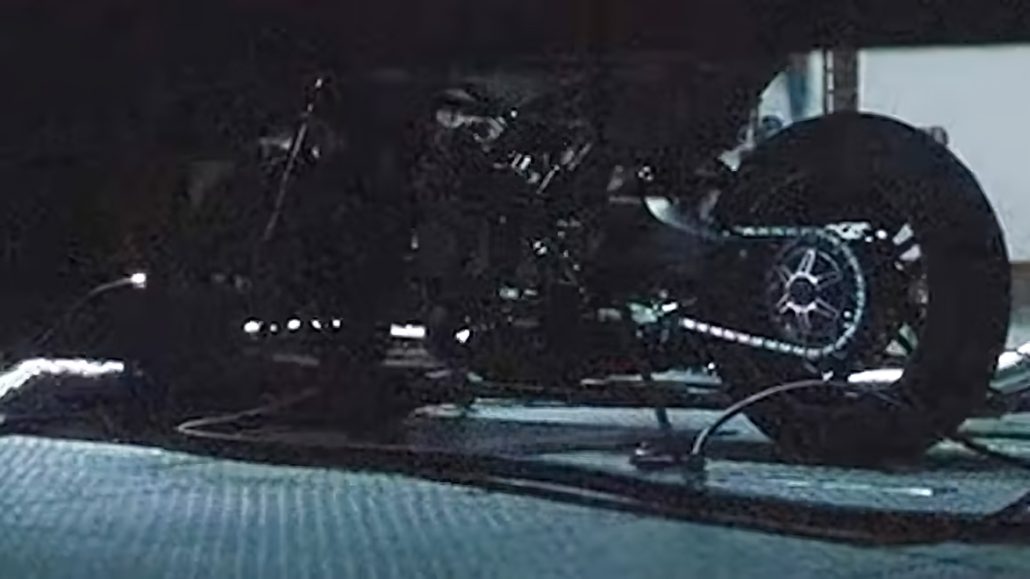
- V3 engine of around 900 cc with an electric compressor, output said to match a 1,200 cc machine
- Figures under discussion are roughly 125 hp (92 kW), roughly 125 Nm (92 lb-ft) and around 210 kilograms (463 lbs)
- The first production model with this drivetrain will be the V3R 900, reaching the market during 2027
The Africa Twin has run for years with a parallel twin, most recently displacing 1,084 cc. For the next step there are now two options that could hardly be more different: more displacement from the familiar twin, or a complete switch to the new forced-induction triple. Both variants are currently circulating in reports and patent documents, and neither has been officially confirmed. Anyone following the new models of the 2027 model year will not get past this decision, because it concerns one of the most important large models in Honda’s line-up.
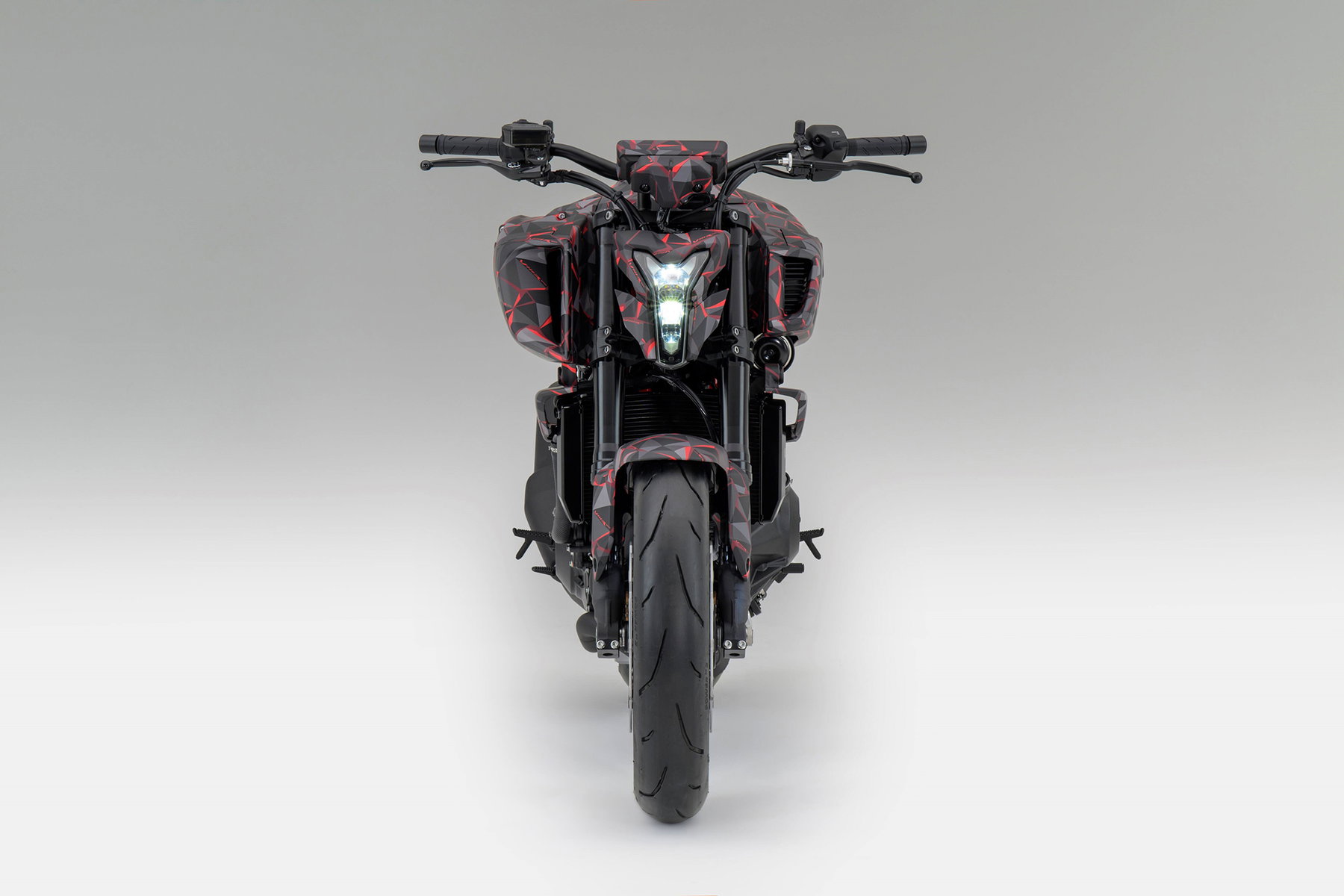
What is behind the V3 engine with e-compressor?
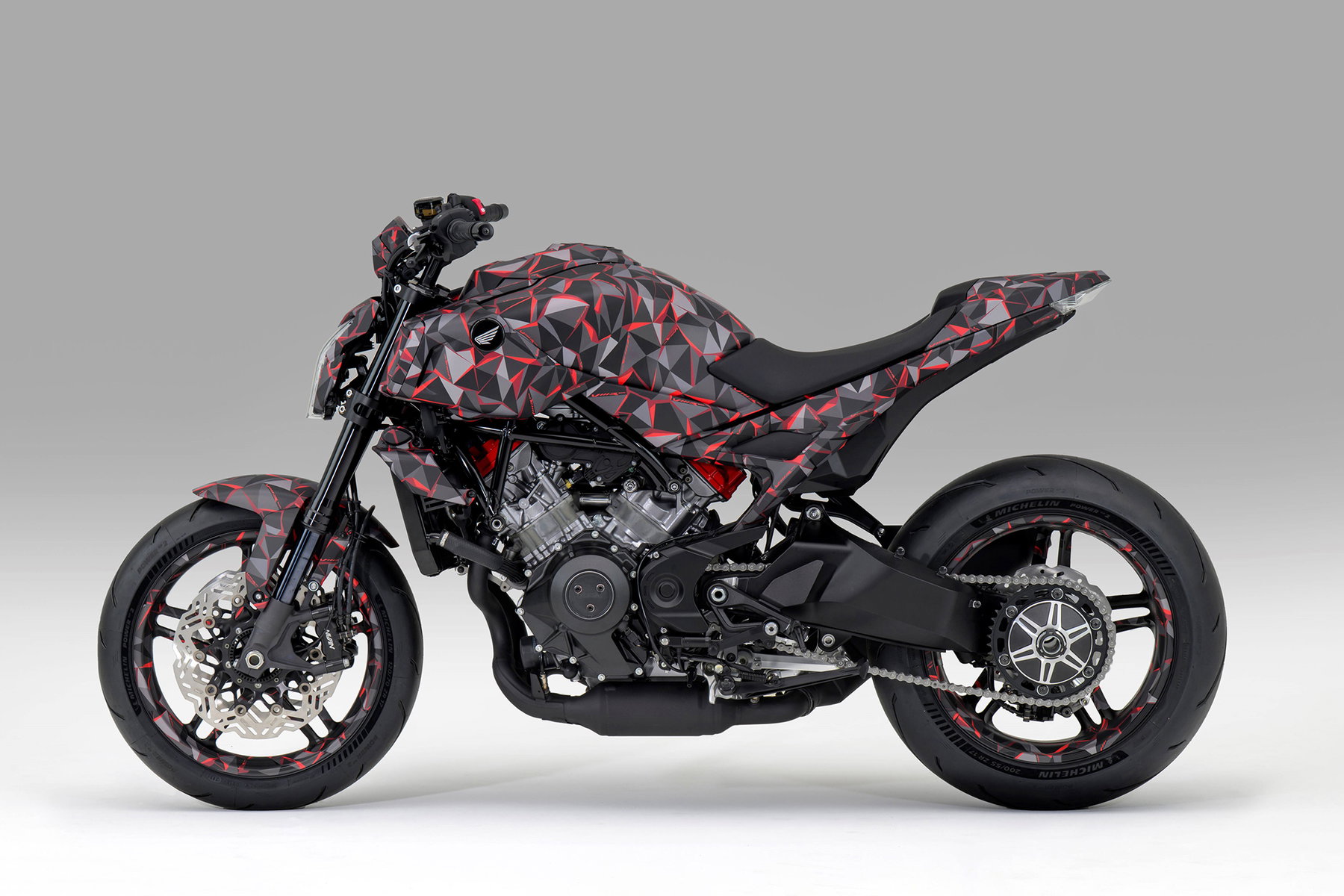
The V3 is a liquid-cooled triple of around 900 cc in which two cylinders point forwards and one to the rear, with 75 degrees between them. Honda first showed the concept at EICMA 2024, and a year later the rideable prototype named V3R 900 E-Compressor followed at the same show. The production version is expected at EICMA in November 2026, complete with the forced induction fully calibrated by then.
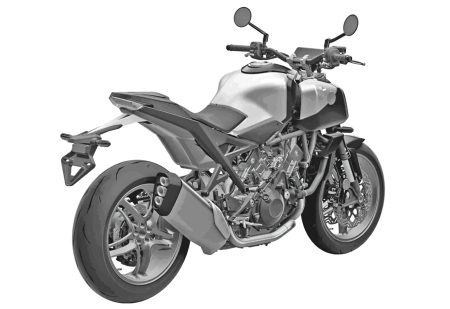
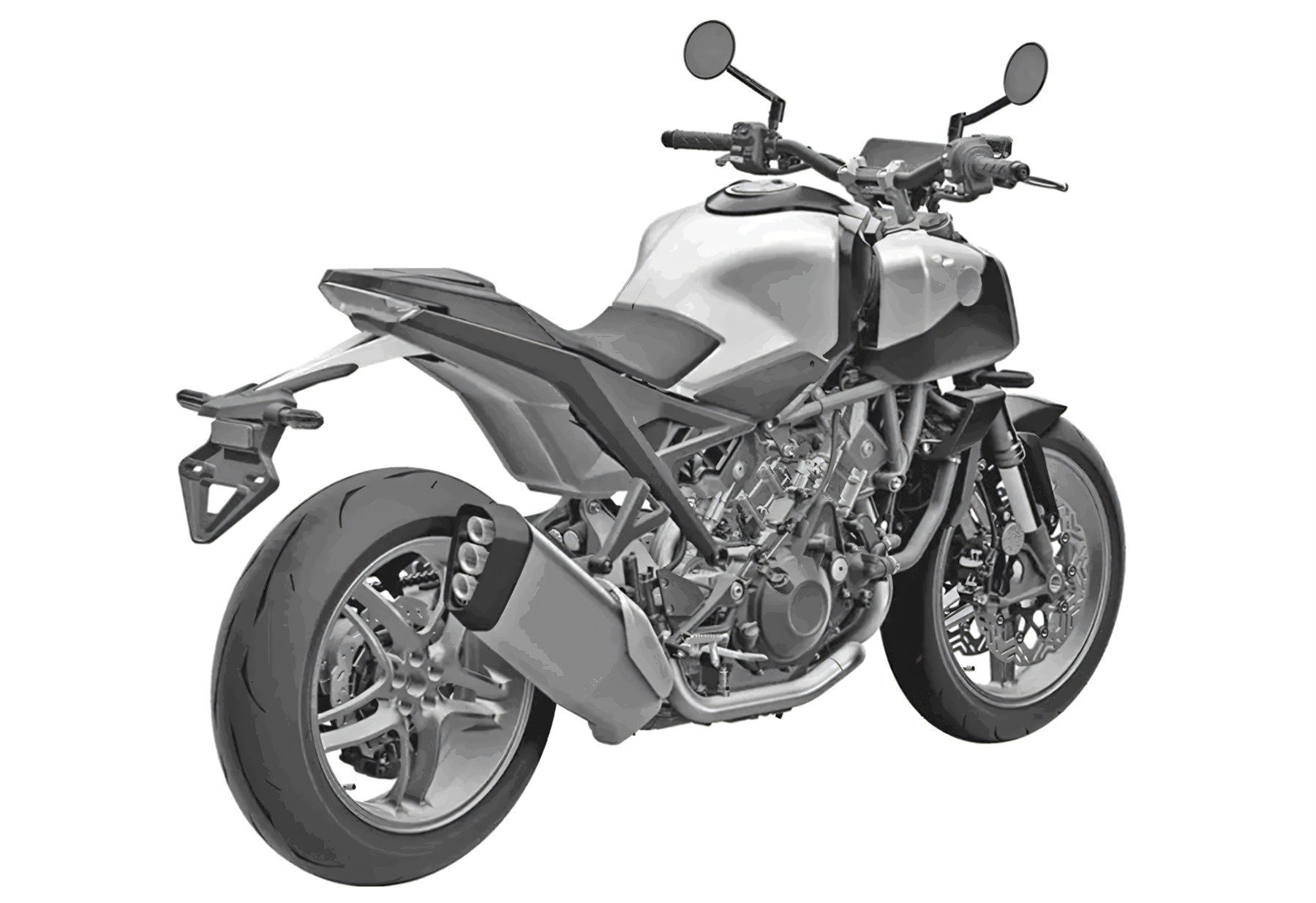
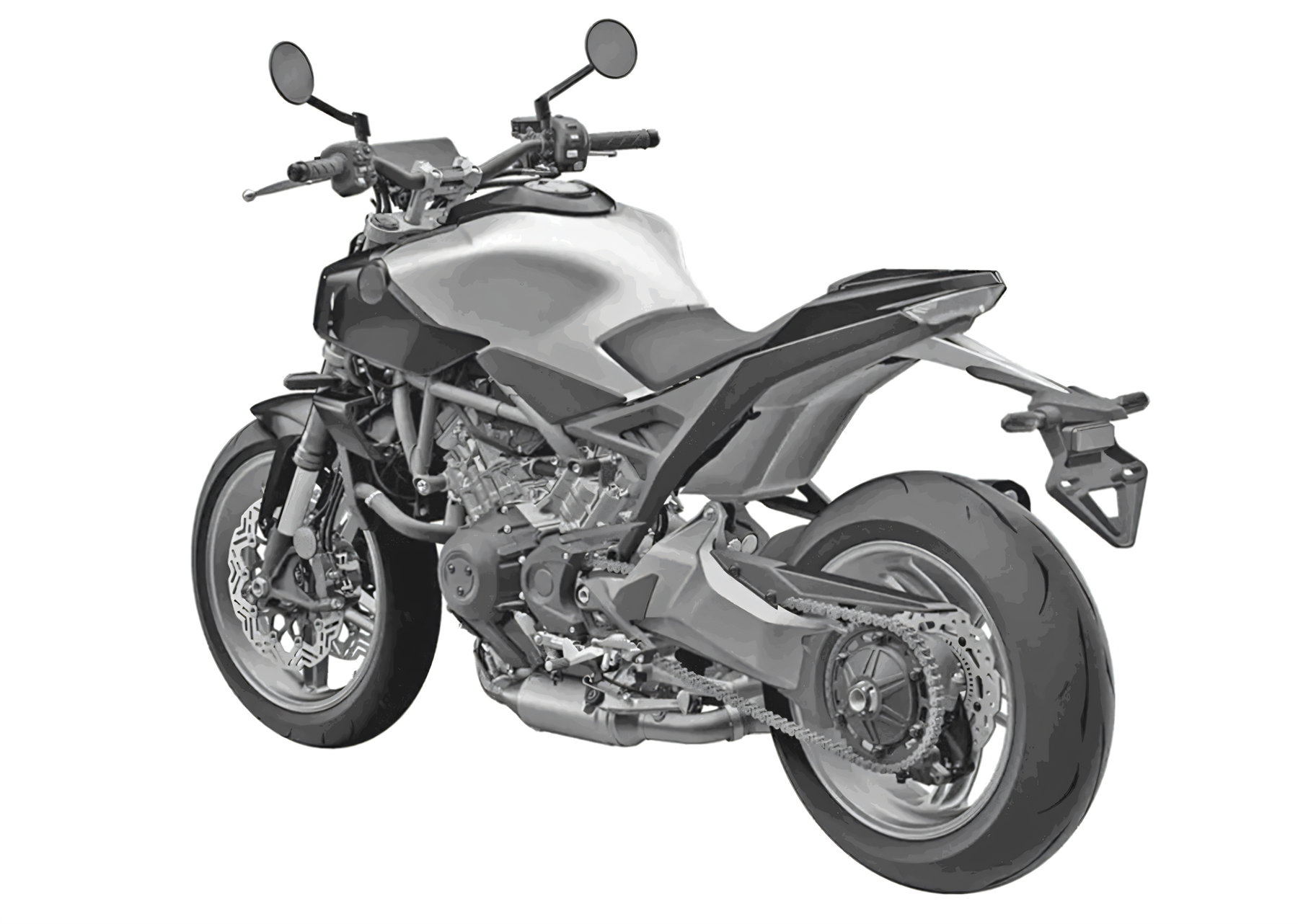
Design filings show how far development has progressed. According to media reports, one of them was filed with the Australian patent office on 26 March and published in mid-July. It refers back to an older Japanese filing dated 2 October 2025 that is still under seal. The drawings show a motorcycle that comes very close to the prototype, but has everything needed for road approval: mirrors, indicators, reflectors and a number plate holder. The engine remains openly visible on both sides, which makes sense with this unusual layout.
How does the electric compressor work?
The compressor is driven by an electric motor and controlled electronically, so it works independently of engine speed. It compresses the intake air so that more oxygen is available in the cylinder for combustion. The aim is strong pull even at low revs.
The difference to familiar systems matters. A turbocharger uses the exhaust gases, a classic supercharger is driven mechanically off the crankshaft. In Honda’s system an electric motor does that work. This has two practical consequences: there is no turbo lag, meaning no delay in response, and the compressor can be turned up and down as required. According to the manufacturer, the system also needs no intercooler, and the individual components can be arranged more freely within the tight packaging of a motorcycle.
Honda itself described the work on this drivetrain early on as “a new challenge in the area of internal combustion engines”. Honda is therefore late to forced induction on motorcycles, but not alone: so far only Kawasaki has managed it in volume production, with the H2 models and a mechanically driven supercharger.
Has Honda built a V3 engine before?
Yes, though around four decades ago and as a two-stroke. It started in 1983 with the S500 motocross machine with a 113-degree cylinder angle and the road-legal MVX250F with 249 cc and 90 degrees. Better known was the NS400R of 1985, likewise a 90-degree V3 two-stroke with 72 hp (53 kW).
There is a backstory on displacement, too. The last large Honda model with around 1.2 litres was the VFR1200F, which was discontinued in 2017 and drew roughly 160 hp (118 kW) from its V4. It is precisely this level of output that the new 900 is now meant to make attainable with three cylinders and forced induction.
Why would the V3 be interesting for an adventure bike?
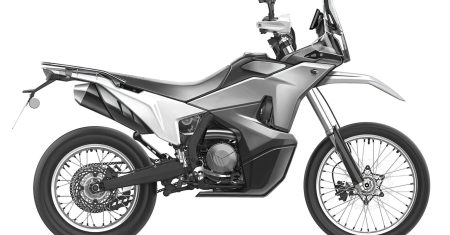
The main reason is the layout: the 900 cc V3 is narrow and compact, and an enduro would benefit from that in particular. Anyone riding off-road while standing notices every centimetre of width at knee level.
Then there is weight. The current CRF 1100 L Africa Twin weighs 231 kilograms (509 lbs) fully fuelled in base specification. For the V3R 900, observers consider less than 200 kilograms (441 lbs) ready to ride to be possible, because it uses a tubular steel trellis frame with a bolted-on subframe, a stressed-member engine and a single-sided aluminium swingarm. An adventure bike needs a bigger tank, more bodywork and more suspension travel, but can still benefit from the compact basis.
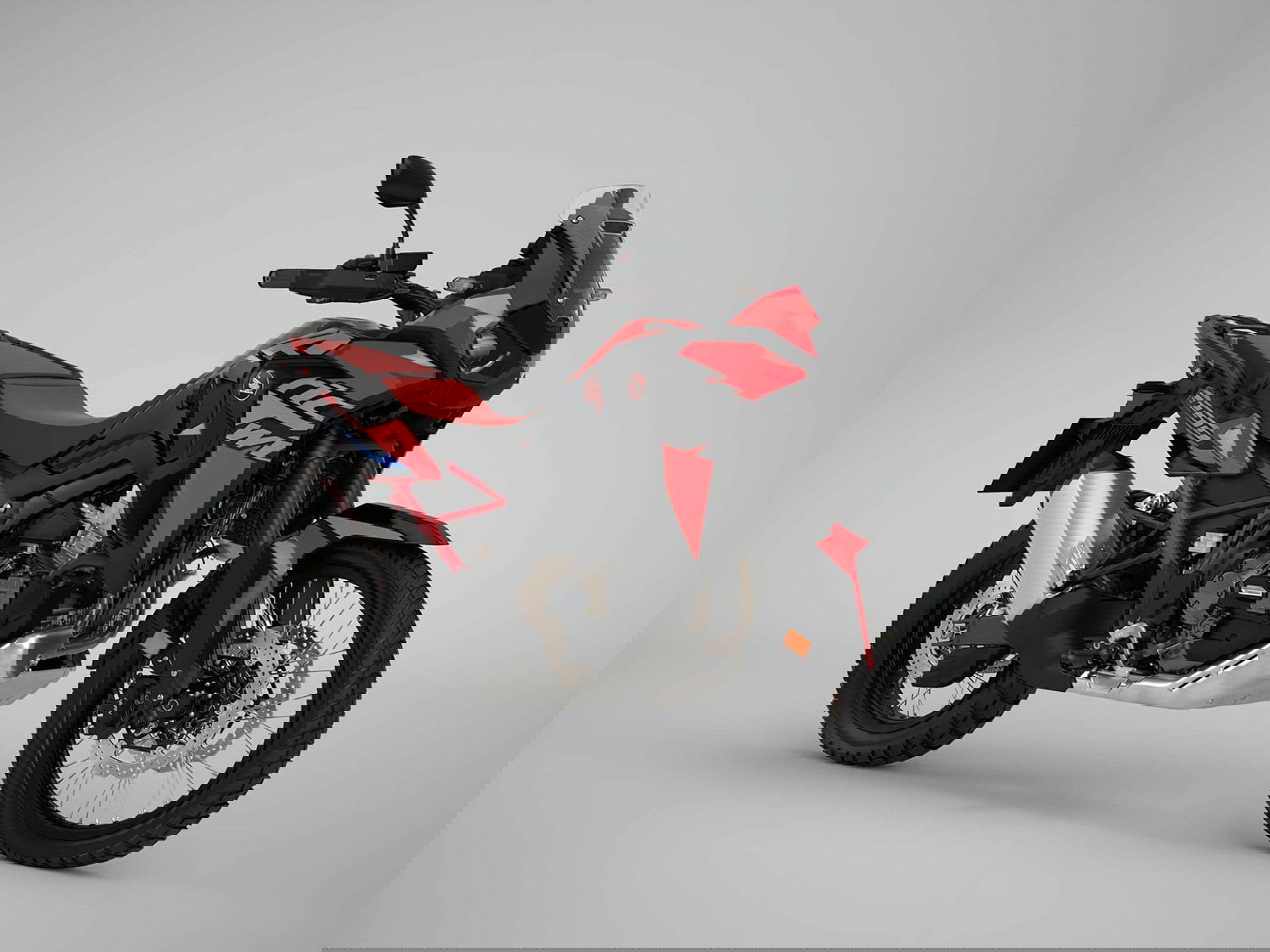
Which key figures are under discussion for the Africa Twin with V3?
The figures named are roughly 125 hp (92 kW), roughly 125 Nm (92 lb-ft), around 900 cc and about 210 kilograms (463 lbs) ready to ride. There are no official values for either the adventure bike or the V3R 900.
These numbers are estimates based on the manufacturer’s statement that the forced-induction 900 should reach the level of a 1,200. Well over 100 hp and over 100 Nm are considered a given; everything else remains open until the official presentation. For the V3R 900, Honda has so far released only a short dyno video, but no output figures.
The alternative: a larger parallel twin
The simpler route would be to enlarge the familiar parallel twin by another 100 cc or so. After the CRF 1000 L and the CRF 1100 L, a CRF 1200 L Africa Twin would be the logical next step. At around 1,200 cc the machine should produce at least 110 hp (81 kW), compared with today’s 102 hp (75 kW) at 7,500 rpm.
This variant cannot simply be dismissed, because Honda has long since filed a supercharger patent for the parallel twin as well. It describes a twin-screw supercharger sitting behind the cylinders on top of the gearbox and driven mechanically. Intake air arrives via a pipe system from the steering head, and a bypass valve releases excess boost. Injectors are also provided both in the intake tracts and directly at the cylinder head, which keeps the option of petrol direct injection open for Honda. That development is said to have begun back in 2019.
One argument for the bigger step comes from the market: in the first half of 2026 the Africa Twin ranked 11th in new registrations in Germany, just outside the top ten.
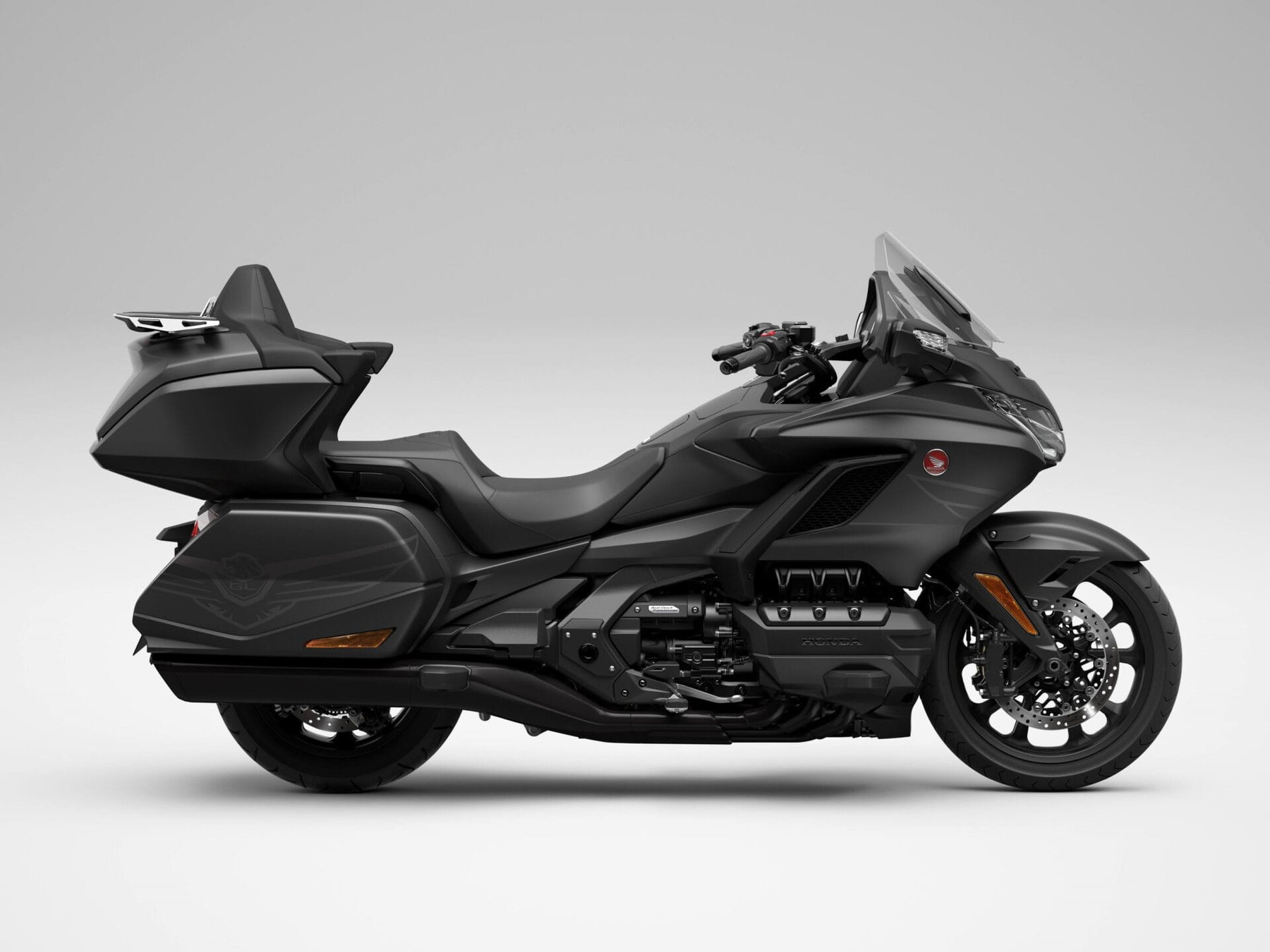
The compressor as a platform for further models
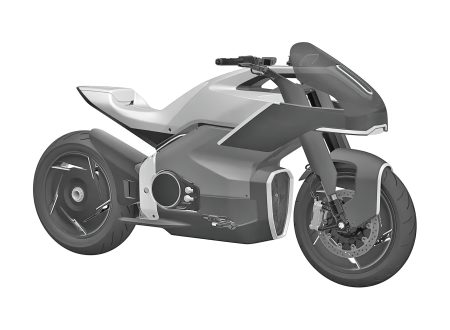
It is considered unlikely that Honda would develop such an elaborate drivetrain for a single model only. In the summer of 2026, patent drawings surfaced that do not show the V3R 900, but other model ranges with an adapted e-compressor. Clearly identifiable, according to those reports, are the NC 750 X crossover model with a parallel twin and the GL 1800 Gold Wing with its flat-six. The CB 1000 models with inline four are also named.
Scaling the roughly one-third increase in specific output up to today’s Africa Twin lands you at roughly 135 hp (99 kW) and around 150 Nm (111 lb-ft). That is a calculation, not an announcement, but it shows the direction of travel. Honda has rolled out other innovations such as the DCT dual clutch transmission and the E-Clutch automatic clutch across large parts of the range step by step as well.
When could the new Africa Twin arrive?
No date is known; 2027 or 2028 are under discussion. The V3R 900 comes first, with its production version expected at EICMA in November 2026 and sales due to start during 2027. Honda has announced that it will bring a model with this technology to Europe by 2027.
Only after that would the way be clear for an adventure bike on the same basis. It also remains possible that the Africa Twin sticks with the parallel twin for now. Should the V3 indeed arrive, the naming question inevitably follows, because a Twin with three cylinders would be hard to explain. The name Africa Triple is therefore already being floated.
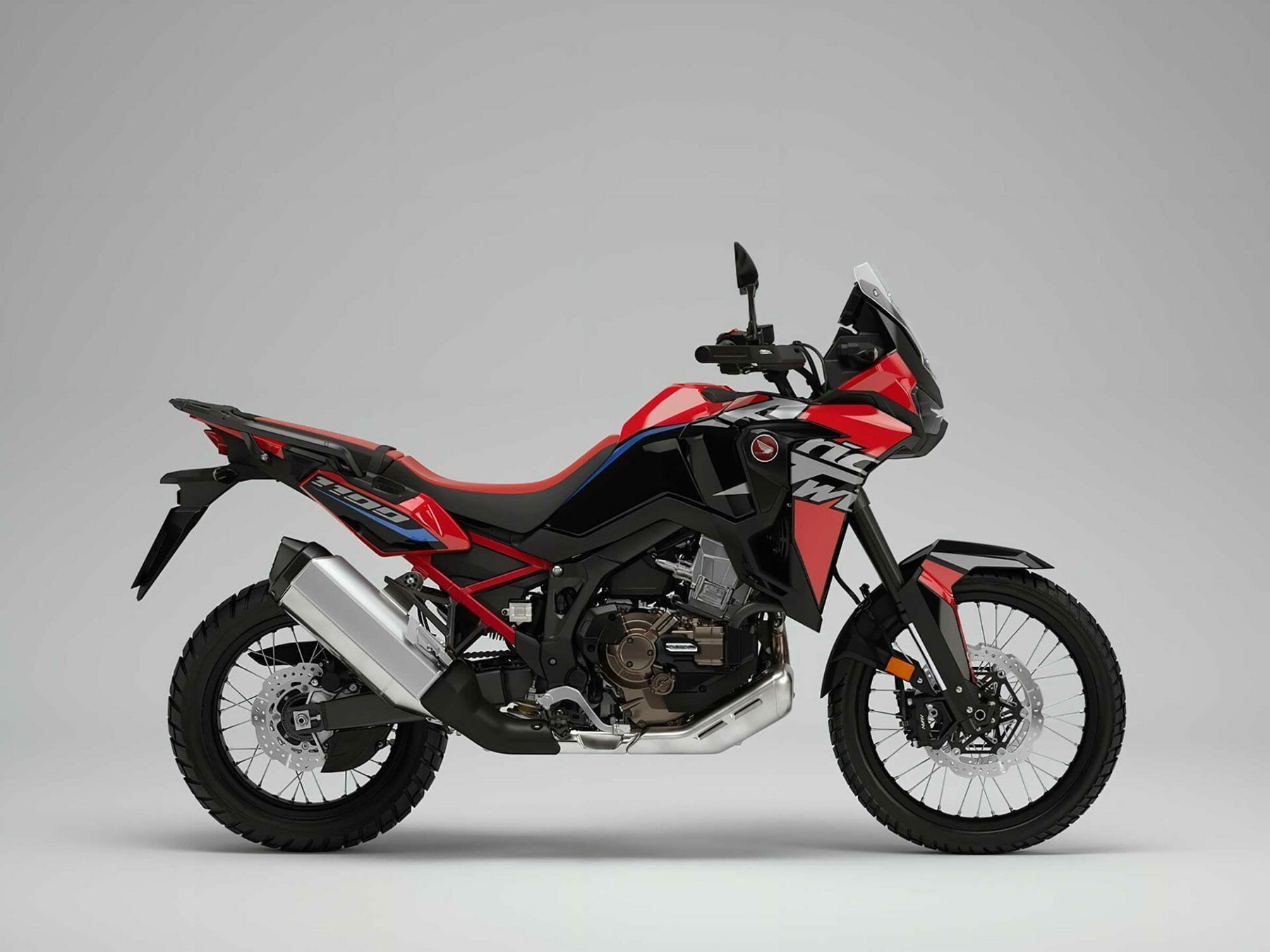
What does the drivetrain mean for the price?
No downsizing is to be expected on price. The current CRF 1100 L Africa Twin starts at 16,449 euros (roughly 19,030 US dollars), on top of which come options such as the DCT dual clutch transmission and electronically controlled suspension.
A forced-induction triple with an electrically driven compressor is technically more elaborate than a naturally aspirated parallel twin. Nothing is known so far about the price of the V3R 900, and that goes double for the possible adventure bike.
Frequently Asked Questions
-
What is Honda’s E-Compressor?
The E-Compressor is an electrically driven and electronically controlled compressor that compresses the intake air. It works independently of engine speed and, according to the manufacturer, needs no intercooler. As a result there is no turbo lag, and boost pressure can be adjusted at any time.
-
How much power will the Honda Africa Twin V3 have?
Roughly 125 hp (92 kW) and roughly 125 Nm (92 lb-ft) are under discussion. Honda has given no official figures for either the adventure bike or the V3R 900. The only firm information so far is the manufacturer’s statement that the 900 should reach the output level of a 1,200.
-
When is the new Honda Africa Twin coming?
No date is fixed; 2027 or 2028 are named. The V3R 900 arrives first, with its production version expected at EICMA in November 2026 and sales due to start in 2027. An adventure bike with the same drivetrain could follow afterwards.
-
What does the current Honda Africa Twin cost?
The CRF 1100 L Africa Twin starts at 16,449 euros (roughly 19,030 US dollars). Extras include the DCT dual clutch transmission and electronically controlled suspension. A model with a V3 and a compressor would be expected to carry a higher entry price.
➜ This article is part of our comprehensive overview: Motorcycle Patents and Future Technology: What Manufacturers Are Developing. Find all key information on this topic in one place.