- The swingarm is to be produced by rheocasting, a process that uses semi-solid aluminium
- This makes wall thicknesses of less than 3.5 millimetres possible while retaining sufficient torsional stiffness
- The component has nothing to do with the new frame BMW announced for the 2027 model year
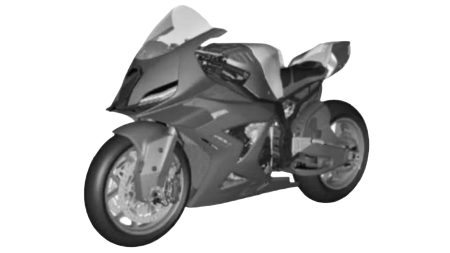
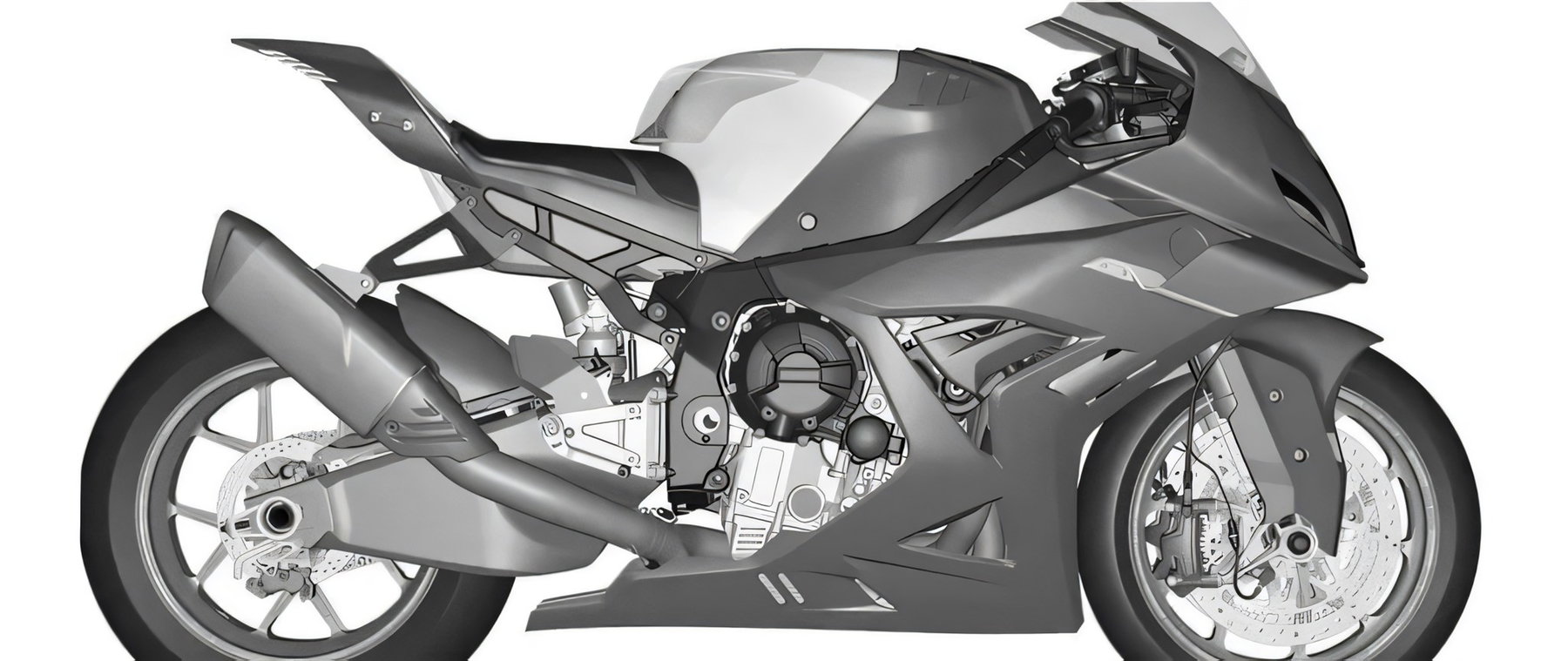
The design language of the next S 1000 RR has been largely known since the Concept RR and the design filings. What sits underneath the fairing, however, remained an open question for a long time. A new patent from BMW Motorrad now closes one of those gaps, and it does so at a point that helps decide lap times in racing: the rear swingarm. The shape in the drawings follows closely what was on show with the Concept RR at Villa d’Este and what the prototypes are running during their test outings at the Nürburgring.
What does the new BMW patent show?
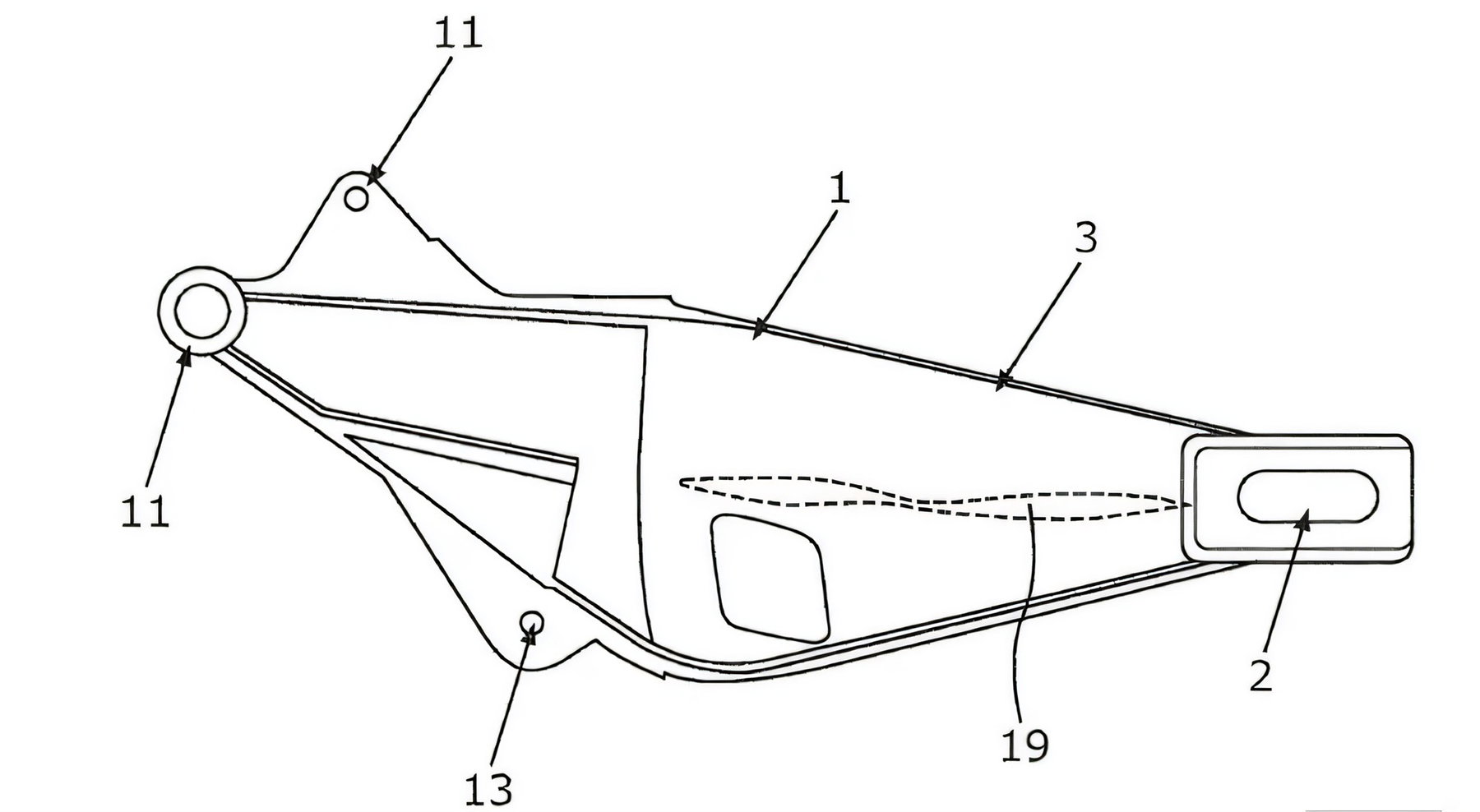
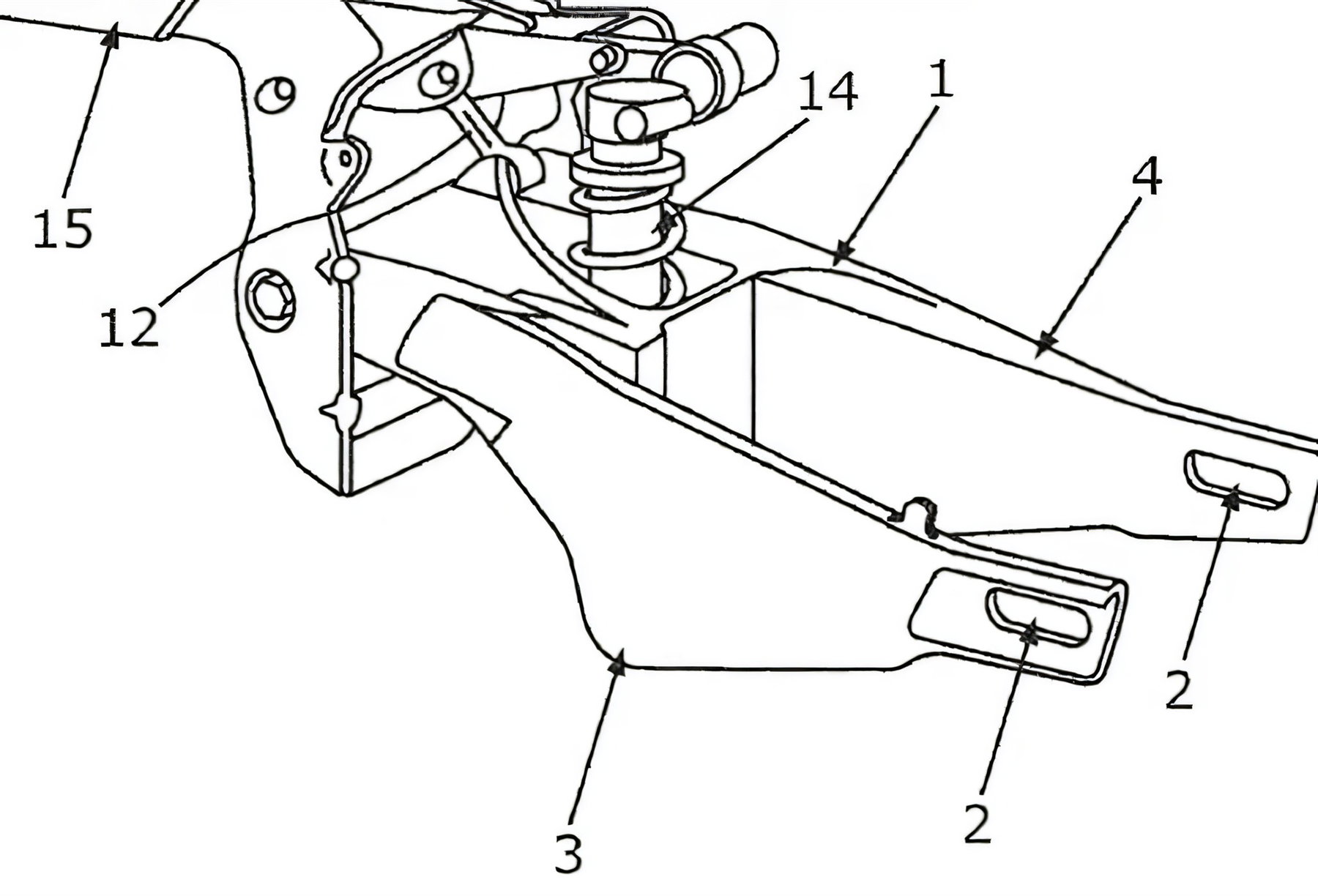
The patent describes a completely redesigned rear swingarm for the next generation of the RR models. What is new above all is how the component is to be manufactured.
BMW is relying on a casting process that has played no major role in series motorcycle production so far. The design itself follows the lines that were already visible on the Concept RR. The filing therefore joins a series of patents with which manufacturers are currently protecting components for coming superbike generations.
How does the casting process work?
In rheocasting, the aluminium alloy is not processed in a liquid state but in a semi-solid one. An electromagnetic field stirs the metal until it reaches the consistency of dense ice cream.
In this state the material is pressed into the mould. The advantage lies in the structure of the finished component: density is even across the whole part, and no pores form. Pores are tiny air inclusions in the casting. They weaken a component exactly where you cannot predict it, which forces engineers to plan for more material than the calculations would actually require.
Why do thin walls matter so much on a swingarm?
Because they save weight without the swingarm losing its job. According to the patent, wall thicknesses below 3.5 millimetres are possible, and there is still enough torsional stiffness left to put more than 200 hp (147 kW) onto the road.
The swingarm guides the rear wheel and transmits the entire drive force. If it twists too much under load, precision is lost. If it is too stiff, the rider no longer gets feedback about how much grip the tyre still has. A component has to sit between those two poles while being as light as possible at the same time. That is precisely why the manufacturing process is not a footnote here, but the actual lever.
How is the swingarm constructed?
It consists of two large half-shells that are welded together. Inside sit numerous ribs that distribute the forces that occur.
On the outside, the structure is closed off by flat panels. The result looks considerably fuller and more flowing than the arm currently fitted to the S 1000 RR and the M 1000 RR. That one is a box-section arm with a brace on the underside, in other words a visibly more open design.
Is this the swingarm from the 2027 model update?
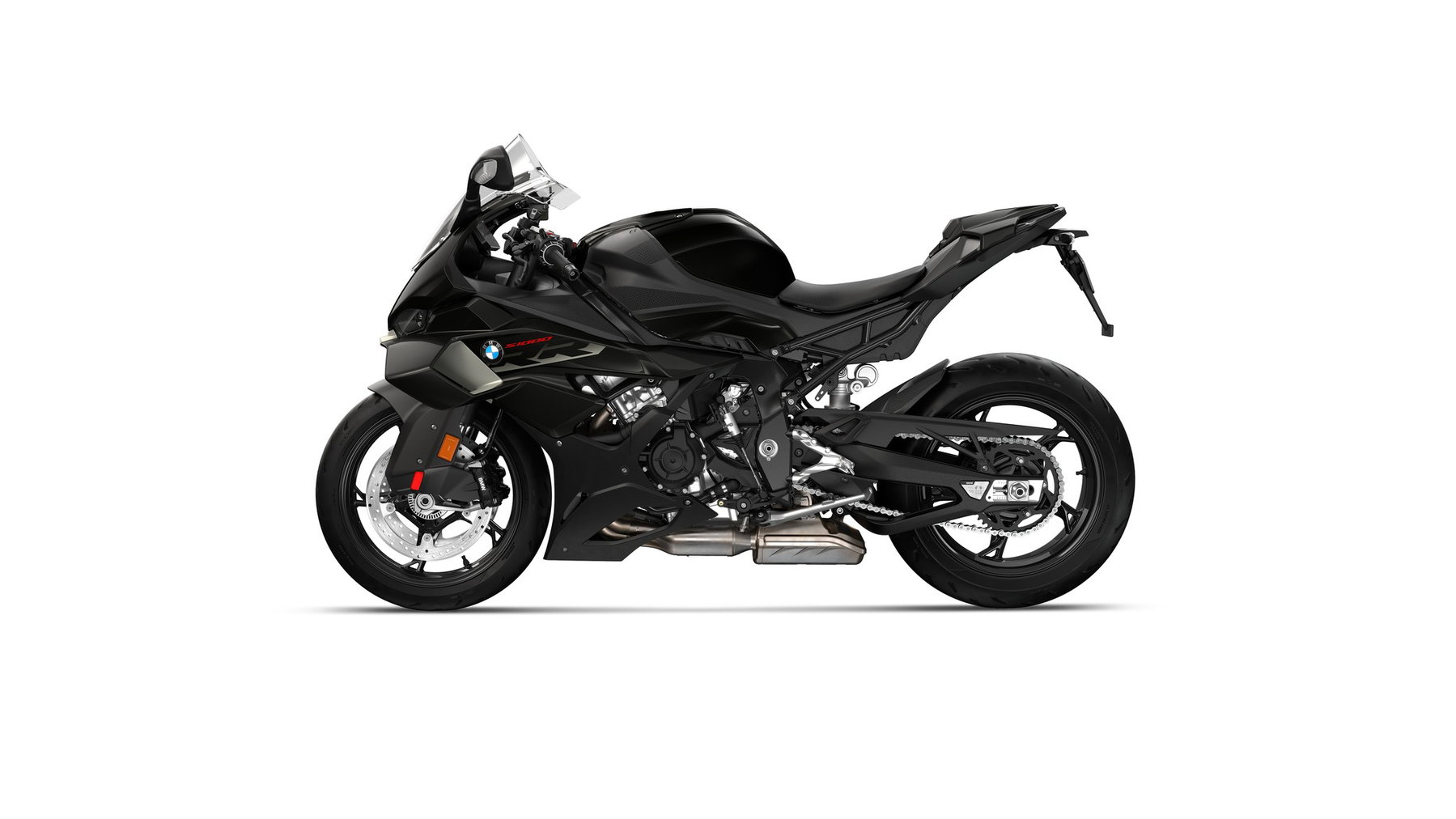
No. The model year 2027 updates that BMW Motorrad published on 2 July 2026 do not mention a swingarm for the RR models. They are about the frame.
The mix-up is understandable, because both components work to the same recipe. For the M 1000 RR, BMW lists a third-generation M Motorsport frame as standard equipment. Wall thicknesses are said to be reduced by around 30 percent and weight by about 1.3 kilograms (2.9 lbs). The manufacturer states the aim as clearly improved flex characteristics along with specifically tuned stiffness and flexibility for chassis performance and grip. For the S 1000 RR 2027, by contrast, the list only contains a new colour scheme for the Edition M Sport, a tinted windscreen, M forged wheels and revised package contents. The new configurations have been orderable since August 2026.
The patent therefore belongs to a different model stage. The third-generation frame is the basis for the current range; the swingarm is aimed at its successor.
What the spy shots from the Nürburgring add
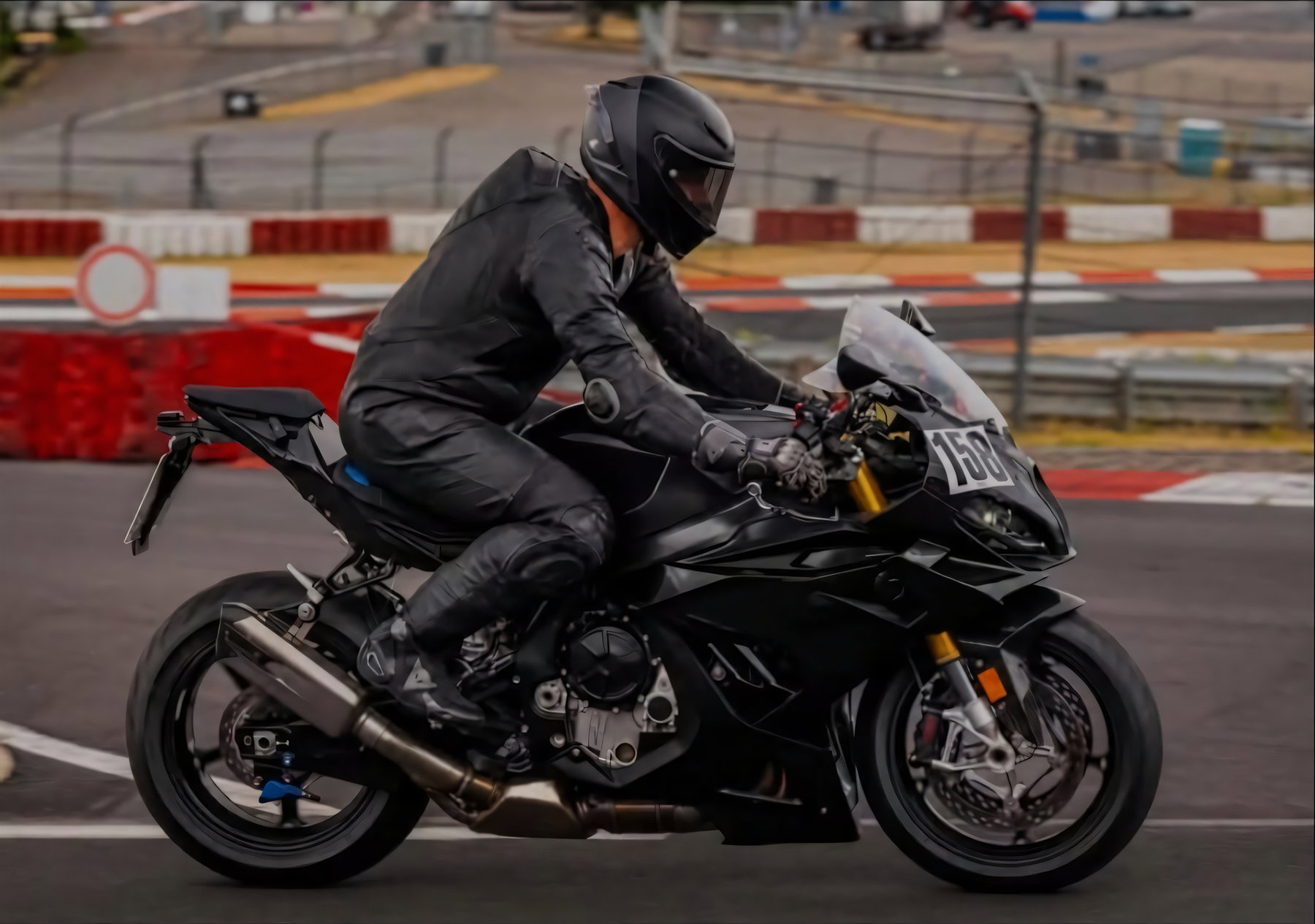
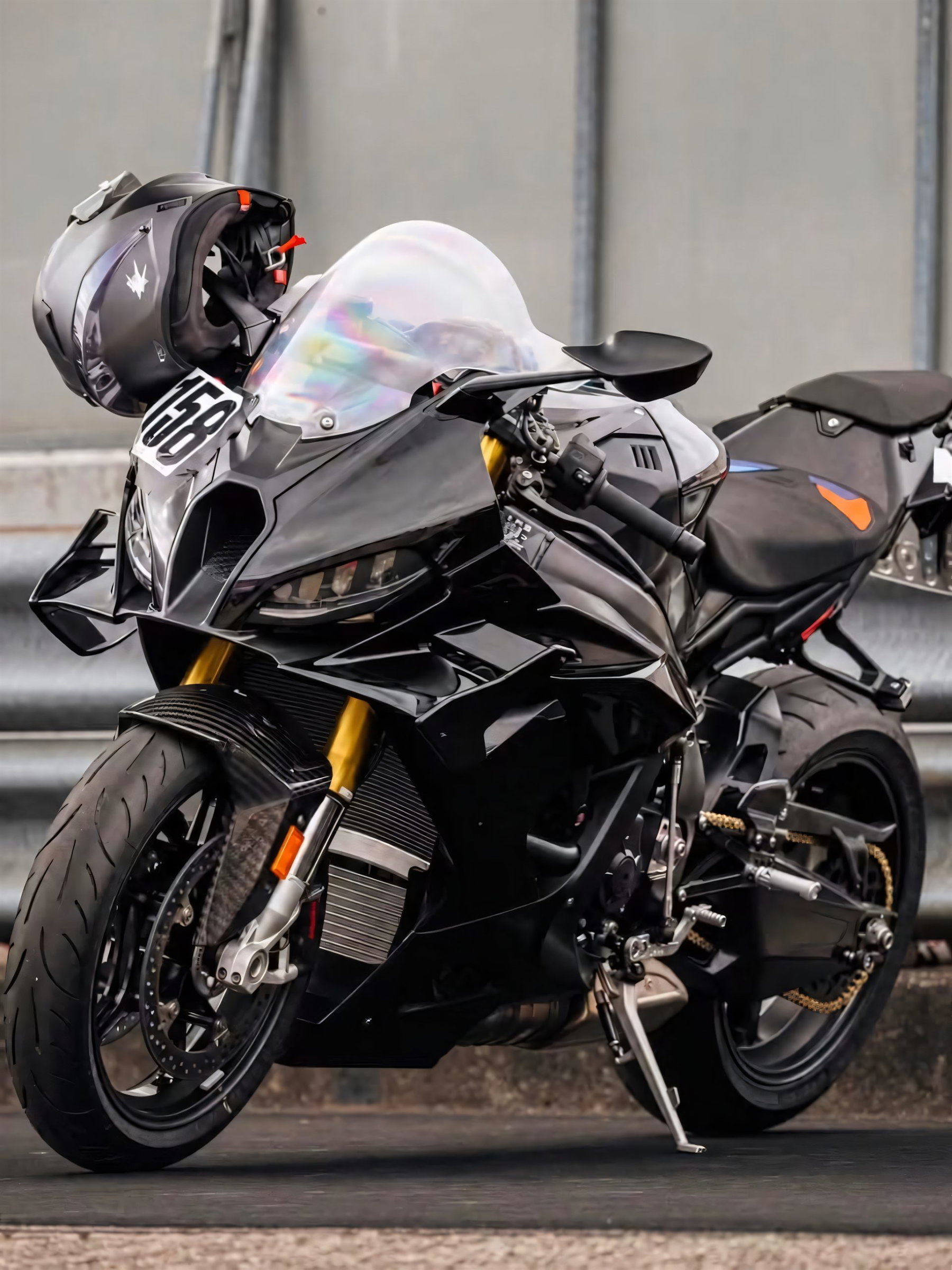
Images of a prototype taken on the Nordschleife at the end of July 2026 already show a modified swingarm on a running motorcycle. According to media reports, the arm is closed over a considerably larger part of its length than on its predecessor, and the cut-outs are smaller.
That observation matches what the patent describes. There are also reports of a reworked area around the front engine mount on the frame, with an attachment point further down and further back. Taken together, this points to a new chassis whose changes go deeper than the frame revision already announced for 2027.
BMW has confirmed none of this. Asked for comment, the company said: „BMW Motorrad doesn’t comment on spy shots or unreleased models.“ What is notable, though, is that the testing took place during a publicly accessible track day programme on 22 and 23 July. So it does not appear to be a closely guarded secret.
When the new RR generation could arrive
There is no date. Since the 2027 model update is already done and the corresponding models have been orderable since August 2026, a market launch of the new generation before 2028 is considered unlikely.
The patent suggests that development behind the scenes is well advanced. Anyone who has components protected has usually finished the design. Whether the swingarm actually goes into production in this form is still not certain. A patent application protects a technical solution; it is not a product announcement.
➜ This article is part of our comprehensive overview: Motorcycle Patents and Future Technology: What Manufacturers Are Developing. Find all key information on this topic in one place.
Frequently Asked Questions
-
What is new about the BMW S 1000 RR swingarm in the patent?
The main novelty is the manufacturing process. The swingarm is to be produced by rheocasting from semi-solid aluminium, which makes wall thicknesses below 3.5 millimetres possible. Structurally it consists of two welded half-shells with internal ribs and outer cover panels.
-
Does the BMW S 1000 RR 2027 get the new swingarm?
No. The model year 2027 updates for the S 1000 RR only mention a new colour scheme, a tinted windscreen, M forged wheels and revised package contents. The swingarm from the patent belongs to the following generation.
-
What has BMW announced for the M 1000 RR 2027?
A third-generation M Motorsport frame as standard equipment. According to the manufacturer, wall thicknesses are reduced by around 30 percent and weight by about 1.3 kilograms (2.9 lbs). This is intended to improve flex characteristics and grip.
-
Why does the torsional stiffness of a swingarm matter so much?
Because it determines how precisely the rear wheel is guided. A swingarm that is too soft costs accuracy, one that is too stiff robs the rider of feedback about grip. According to the patent, the stiffness of the new design is sufficient to transmit more than 200 hp (147 kW).