- FMI president Giovanni Copioli calls the provincial government’s decision an unfair restriction and has taken the matter to official channels
- Tour operators report that guided rides account for 30 to 40 percent of their summer revenue
- The Veteran Club Bozen, together with the classic vehicle association ASI, announces legal action against the decision
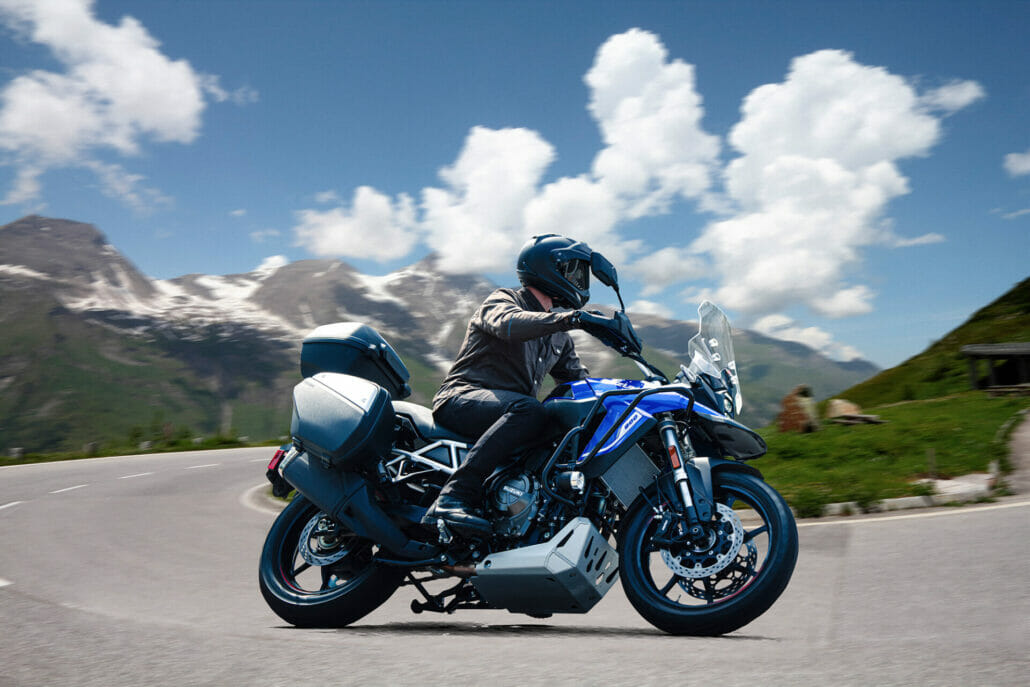
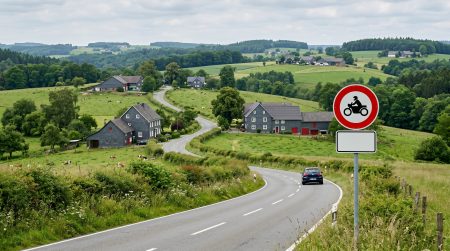
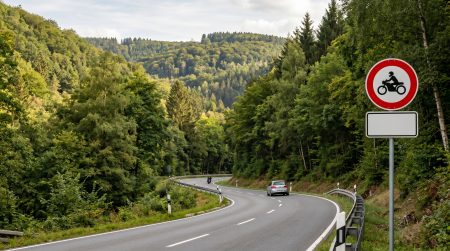
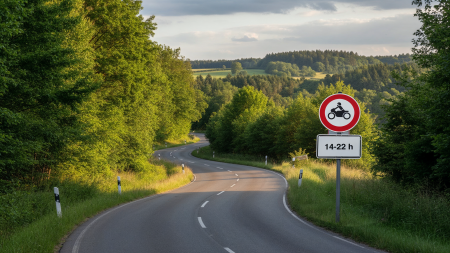
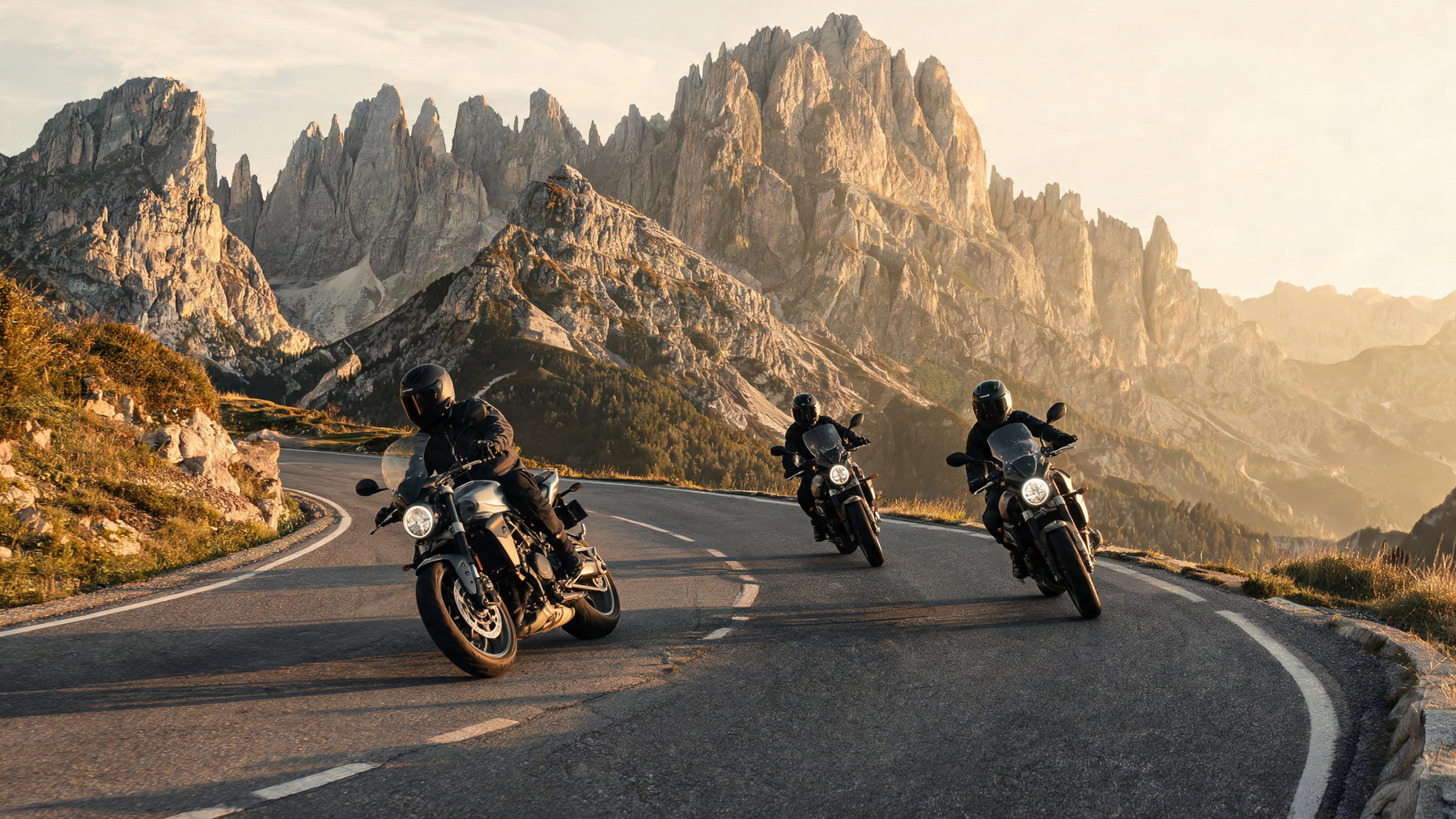
Since June 19, 2026, South Tyrol has banned organized motorsport events on roads within protected areas and above 1,600 meters of altitude. What was intended as a measure against noise and traffic on the Dolomite passes, according to several affected parties, also hits guided motorcycle tours that have long been a fixture of South Tyrolean tourism. Now Italy’s motorcycle association FMI has stepped in and openly criticized the decision.
What does the FMI accuse the provincial government of?
The FMI considers the decision an unjustified restriction on freedom of movement. President Giovanni Copioli criticizes the fact that, of all places, a province where motorcycle tourism generates economic value and attention is closing off iconic roads to organized groups.
In his official statement, Copioli speaks of surprise and bewilderment: “Rimango stupito e perplesso da questa delibera.” In English: “I am surprised and puzzled by this resolution.” He frames the rule as an infringement on the freedom of the association and its members and calls it an unfair burden. At the same time, he stresses that the FMI promotes sustainable, environmentally friendly tourism and urges all road users to follow the rules, on mountain roads as much as anywhere else. The core of his criticism: measures of this kind will not achieve genuinely sustainable mobility.
Copioli isn’t stopping at a statement. According to his own account, he has already reached out to the leadership of the Italian automobile club ACI as well as to political figures, in order to get the decision corrected through official channels.
Who is economically affected by the ban?
Those affected are mainly hotels and tour operators who sell guided motorcycle tours as a fixed part of their offering. According to several South Tyrolean businesses, a significant share of their summer business is now at stake.
Oliver Call runs a hotel in St. Vigil in Enneberg together with Dolomites Tour Ride and has organized guided rides for decades. He explains that his family has been offering tours for around thirty years, and he himself for twenty. In the summer season, these tours account for 30 to 40 percent of revenue. If that falls away, things get tight. Riding to Trentino is no longer possible, and reaching Cortina as part of a tour is out too. What remains are the valley roads, such as through the Eisack Valley or the Puster Valley, which are unattractive in summer heat.
Call doesn’t see the damage as limited to his own business. Many of his customers come from Germany, and he fears that media coverage will leave the impression that Italy is stopping organized tourist groups. That, he says, would also hit neighboring regions such as Veneto or Trentino.
What do the tour operators say about the wording of the resolution?
The operators argue that their offerings don’t actually fall under the wording of the resolution at all. They point out that the text refers to competitive motorsport events with rules, scoring, and timekeeping.
Niccolò Pierbattista, managing director of Freccia Verde Events, puts it this way: the province of Bolzano’s measure is hitting the wrong target. His tours, he says, are not sporting events but organized tourist rides with dedicated support staff, technical briefings before the ride, and fixed group riding rules. These very rules, he argues, are meant to prevent inappropriate behavior and increase safety for everyone.
Oliver Call sounds similar. He makes clear that his tours involve no speed trials or regularity tests, just calm, guided rides that follow the rules of the road. Anyone who wants to stop the speeders, he says, needs to target the speeders. Three friends who want to test each other with blind overtaking maneuvers in the mountains can still do exactly that. The term at the center of the whole dispute is the “organized event.” The resolution doesn’t define it precisely, and that’s exactly where the uncertainty comes from.
Where do critics see the real problems?
Critics see the main causes of congestion and strain not in guided tours, but in the rest of the traffic. They point to tour buses, motorhomes, and large groups of cyclists.
Pierbattista points to buses and campers that cause long queues during peak season, as well as cycling tourists who take up the road. On top of that, he says, come some motorcycle tourists, often from abroad, who ride the Alpine passes as if it were a mountain race. He sees no measures being taken against these groups. His accusation: a problem with much broader causes is being pinned on those who work seriously in this field.
Critics don’t dispute that the strain is real. That many road users behave undisciplined in summer is considered uncontroversial. The dispute is about whether the resolution targets the right people.
The classic vehicle scene pushes back too
It’s not just the motorcycle industry protesting. Davide Brancalion, president of the Veteran Club Bozen, plans to take legal action against the resolution. He has the backing of the Italian classic vehicle umbrella association ASI.
His reasoning: historic vehicles are a museum on wheels and protected as historical and cultural heritage. It’s unfair, he argues, to lump them together with other motorsport events. The club points out that this involves around six events a year with a top speed of 35 kilometers per hour. He calls the measure propagandistic, ideological, and lacking any scientific basis, and demands it be withdrawn.
What did the provincial government actually decide?
The resolution of June 19 bans the organization of meetings, competitions, and motorsport events on roads above 1,600 meters of altitude. The stated goal is to reduce environmental impact, noise, and emissions during the busiest visitor periods.
The rule applies to road sections leading to the Dolomite passes, nature parks, Stelvio National Park, and protected areas, including the Dolomites UNESCO World Heritage site. The legal basis is the provincial law on spatial planning and landscape (No. 9/2018), under which these roads are subject to heightened protection. The resolution also states that the ban can be extended to further roads or sections if a road’s condition proves unsuitable or if there are concerns about traffic safety or the impact on local traffic.
Provincial governor Arno Kompatscher has already acknowledged that the rule alone isn’t enough: “We are aware that this rule alone does not solve the challenges on the mountain pass roads. The high traffic volume and the widespread speeding there require additional, targeted measures, which we are already working on.” Further steps have thus been announced.
What happens next on South Tyrol’s mountain passes?
It remains open whether the provincial government will revise the text. Critics are calling for exactly that, but so far there has been no commitment from Bolzano.
The case fits into a trend seen across several Alpine regions. In South Tyrol itself, the closure of the Gardena Pass is scheduled for September 1, 2026. For touring riders, this means: riding a pass individually remains possible under current law, while the commercial tour business is under pressure. Whether that stays the case now also depends on how much resistance the FMI, tour operators, and classic vehicle associations can muster.
Frequently Asked Questions
-
Why is the FMI protesting the South Tyrol motorcycle tour ban?
The FMI considers the decision an unfair restriction. President Giovanni Copioli argues that motorcycle tourism brings economic value and visibility to the region and that measures like this will not achieve sustainable mobility. The association has reached out to the automobile club ACI and to political figures.
-
Are guided motorcycle tours in South Tyrol now banned?
According to the affected operators, their offerings fall under the ban because they are classified as organized events. The operators themselves dispute this and point out that the resolution’s wording refers to sporting events with rules, scoring, and timekeeping. A clear definition is still missing.
-
When does the rule take effect?
The South Tyrolean provincial government’s resolution is dated June 19, 2026, and has applied since then. It covers roads in protected areas as well as areas above 1,600 meters of altitude.
-
What are the economic consequences of the ban for operators?
Tour operator Oliver Call of Dolomites Tour Ride says guided tours make up 30 to 40 percent of revenue in the summer season. He also fears knock-on effects for neighboring regions such as Trentino and Veneto, since many of his customers come from Germany.
-
Are other groups also taking action against the ban?
Yes. The Veteran Club Bozen, together with the classic vehicle association ASI, has announced legal action and is demanding that the measure be withdrawn. Historic vehicles, they argue, are protected cultural heritage and should not be lumped together with other motorsport events.
➜ All info & affected roads (German): Südtirol: Verbot organisierter Ausfahrten – alle betroffenen Strecken im Überblick