- Protective gloves become mandatory outside urban areas, closed shoes now required on all roads
- Violations cost 200 euros and are classified as a serious traffic offense
- On designated sections, motorcycles may use the hard shoulder in traffic jams at a maximum of 30 km/h
The Spanish government has comprehensively revised its road traffic regulations. The Council of Ministers approved the reform of the Reglamento General de Circulación on June 23, 2026. According to the traffic authority DGT and the Ministry of the Interior, the aim is to adapt the rules to the changes in mobility over the past two decades and to improve the protection of particularly vulnerable road users. In addition to pedestrians and cyclists, motorcyclists are explicitly included in this group. Most changes take effect on October 1, 2026, with individual provisions following a year later.
What Changes for Motorcyclists in Spain from October 2026?
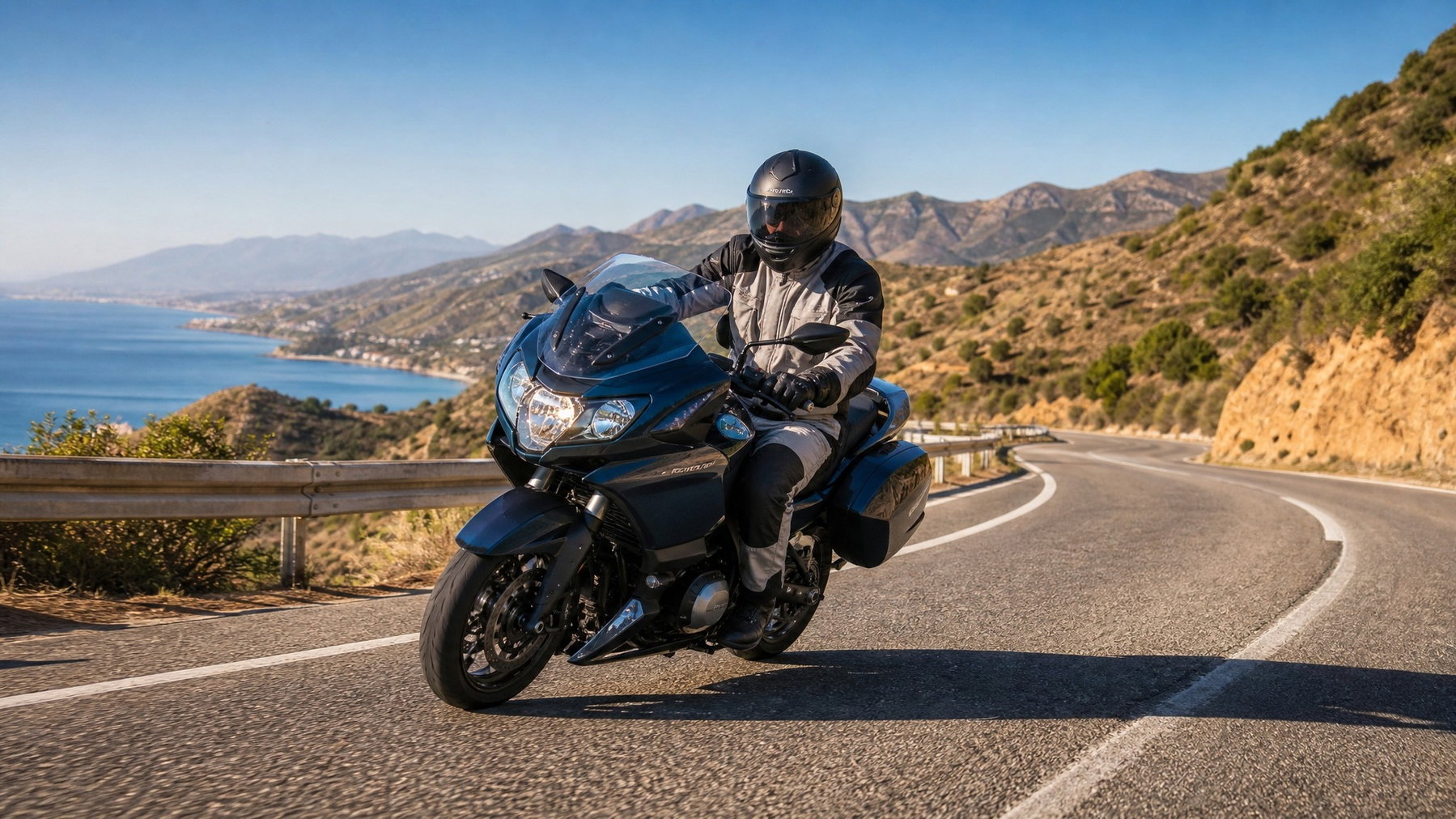
Starting October 1, 2026, stricter equipment requirements and a new hard shoulder rule apply. Motorcycle and moped riders must wear certified protective gloves outside urban areas, closed footwear is required on all types of roads, and riding on the right hard shoulder is permitted in traffic jams on certain designated sections.
The reform bundles several points that were previously either unregulated or only regulated regionally. For travelers, the most relevant aspect is that the regulations apply nationwide and do not depend on individual regions.
What Protective Equipment Will Spain Require in the Future?
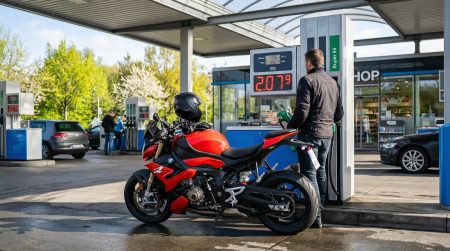
Certified protective gloves outside urban areas and closed shoes on all types of roads are now mandatory. Both requirements apply to both riders and passengers and include moped riders.
Open shoes, sandals, or flip-flops no longer meet the new requirements. Especially on longer tours and during vacations, the choice of footwear now receives greater attention alongside helmets and protective clothing. Anyone who violates these requirements commits a serious traffic offense under the new road traffic regulations. The DGT imposes a fine of 200 euros for this.
When Does the Glove Requirement Actually Take Effect?
The glove requirement has been approved, but an exact start date for certified gloves has not yet been definitively set. It will only become fully binding once a ministerial order has established the technical requirements for protective gloves.
Until then, gloves with the previously standard protective features are to serve as the benchmark. October 1, 2027, is mentioned as the date from which certified gloves are to become mandatory. This is intended to give those affected more time to prepare for the new requirements. In practical terms, this means the general framework takes effect early, but the specific certification requirement is likely to be enforced later according to official statements.
Stricter Requirements for Motorcycle Helmets
Spain is also tightening helmet regulations. In the future, mere certification will no longer suffice; instead, helmets must be officially homologated.
For most riders, this is unlikely to change much, as motorcycle helmets sold in Europe typically already hold ECE approval and thus meet the required type-approval. The Spanish government aims primarily to remove cheap helmets without adequate approval from the roads. A longer transition period applies to this change, with it set to become binding on October 1, 2027. Further details on the specific implementation are not yet available.
Will Motorcycles Be Allowed to Use the Hard Shoulder in Spain?
Yes, but only under strict conditions that must all be met simultaneously. Use of the right hard shoulder is permitted exclusively in traffic jams or slow-moving traffic, at a maximum of 30 km/h, and only on sections that have been explicitly designated and signposted by the DGT.
Without such signage, the hard shoulder remains off-limits. The authority makes clear that motorcycles will not be allowed to ride on the hard shoulder at will in the future either. The new regulation states that use of the right hard shoulder is only permitted when traffic is congested or slow-moving, when the speed of 30 kilometers per hour is not exceeded, and when the respective section is appropriately marked.
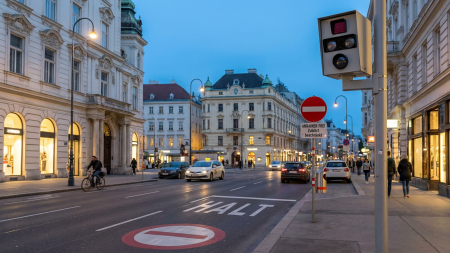
What this marking will look like on the road in practice is still open. In its documents, the DGT so far only refers to appropriate signage of the relevant section. A combination of existing traffic signs with a supplementary sign for motorcycles would be conceivable.
High-Visibility Vest Requirement for Professional Riders
Another new provision affects delivery service riders. Anyone riding a motorcycle or moped for professional purposes must wear a reflective high-visibility vest at all times in the future.
According to the DGT, this too is classified as a serious traffic offense and is penalized with 200 euros. For private riders, this vest requirement does not apply in this form.
Do the New Rules Also Apply to German Tourists?
Yes, the regulations apply regardless of the country in which the motorcycle is registered. Anyone riding in Spain after the reform takes effect must also comply with the new requirements.
The motorcycle-related changes are part of a broader reform package that also affects cyclists, e-scooter users, and car drivers. Cyclists will be required to wear helmets outside urban areas in the future, e-scooter users must be at least 15 years old, and car drivers must maintain greater distances when overtaking cyclists. For motorcycle travelers, the most practically important point remains equipment: In addition to a homologated helmet, closed shoes and appropriate gloves are now front and center.
➜ This article is part of our comprehensive overview: Motorcycle Law & Policy: Regulations, Court Rulings and Developments for Riders. Find all key information on this topic in one place.
Frequently Asked Questions
-
How much do violations of Spain’s new motorcycle rules cost?
Violations of the new regulations are penalized with 200 euros. Under the reformed road traffic regulations, they are classified as a serious traffic offense. This applies to missing gloves outside urban areas, open footwear, and missing high-visibility vests for professional riders, among other things.
-
When do the new motorcycle rules in Spain take effect?
Most rules take effect on October 1, 2026. The basis is the reform approved by the Council of Ministers on June 23, 2026. Individual requirements, including the mandatory use of homologated helmets, are set to become binding on October 1, 2027.
-
Are motorcycle gloves now mandatory in Spain?
Yes, protective gloves for riders and passengers are required outside urban areas, including on mopeds. However, the requirement for certified gloves will only become fully binding once a ministerial order establishes the technical requirements. October 1, 2027, is mentioned as the target date.
-
Can motorcycles ride on the hard shoulder in Spain?
Only under strict conditions. It is permitted in traffic jams or slow-moving traffic, at a maximum of 30 km/h, and exclusively on designated sections. Without appropriate signage, riding on the hard shoulder remains prohibited.
-
Do Spain’s motorcycle rules also apply to tourists?
Yes, the regulations apply regardless of the vehicle’s country of registration. Tourists from Germany must also comply with the new requirements for protective equipment and road behavior once the reform takes effect.