- Engine with 443 cc, still air- and oil-cooled, 25.4 hp (18.7 kW) and 34 Nm (around 25 lb-ft)
- Six-speed gearbox instead of the five gears of the old 411
- Expected price in India between 2.30 and 2.60 lakh rupees, roughly 2,090 to 2,365 euros (approximately 2,420 to 2,735 US dollars) ex-showroom
When Royal Enfield dropped the Himalayan 411 from its line-up in 2023, the successor was technically clearly superior. The Himalayan 450 has a liquid-cooled engine, a TFT display with turn-by-turn directions and an upside-down fork. Even so, a certain unease remained among many riders. The new machine is heavier, taller and considerably more expensive. That is exactly the gap a model now running under the internal code D4G is meant to close, listed in Indian trade media as the Himalayan 440.
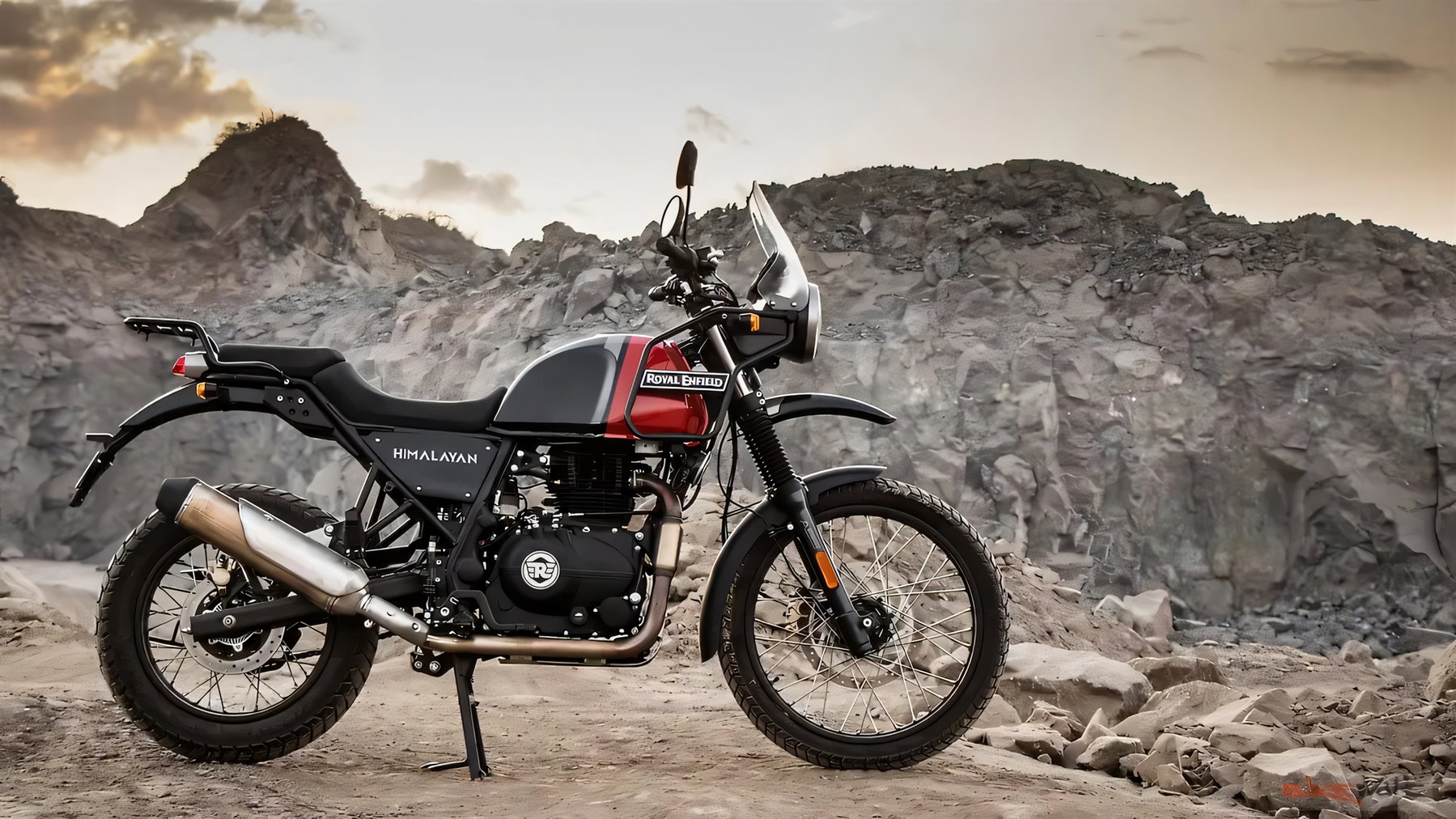
What exactly is the Royal Enfield Himalayan 440?
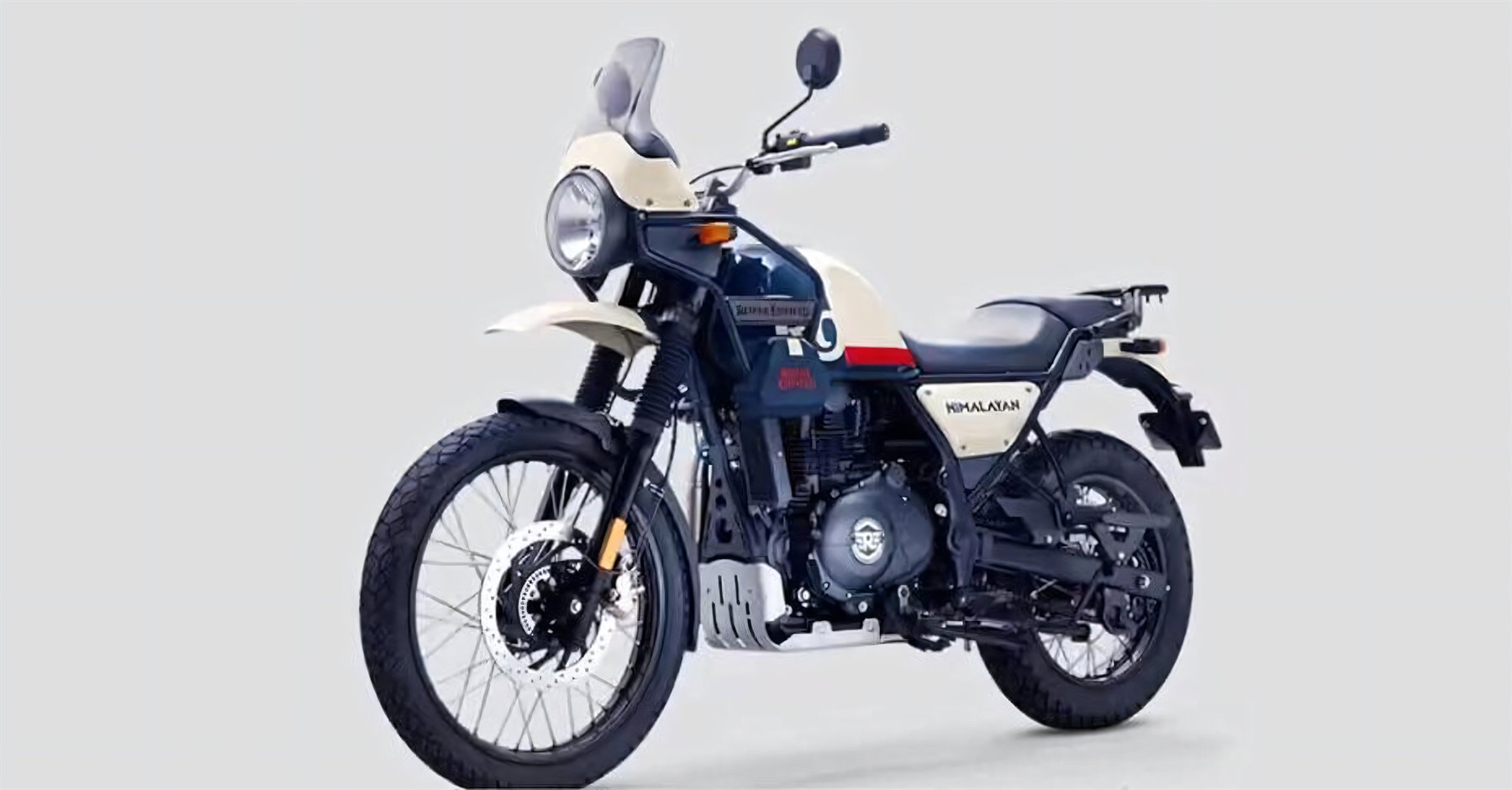
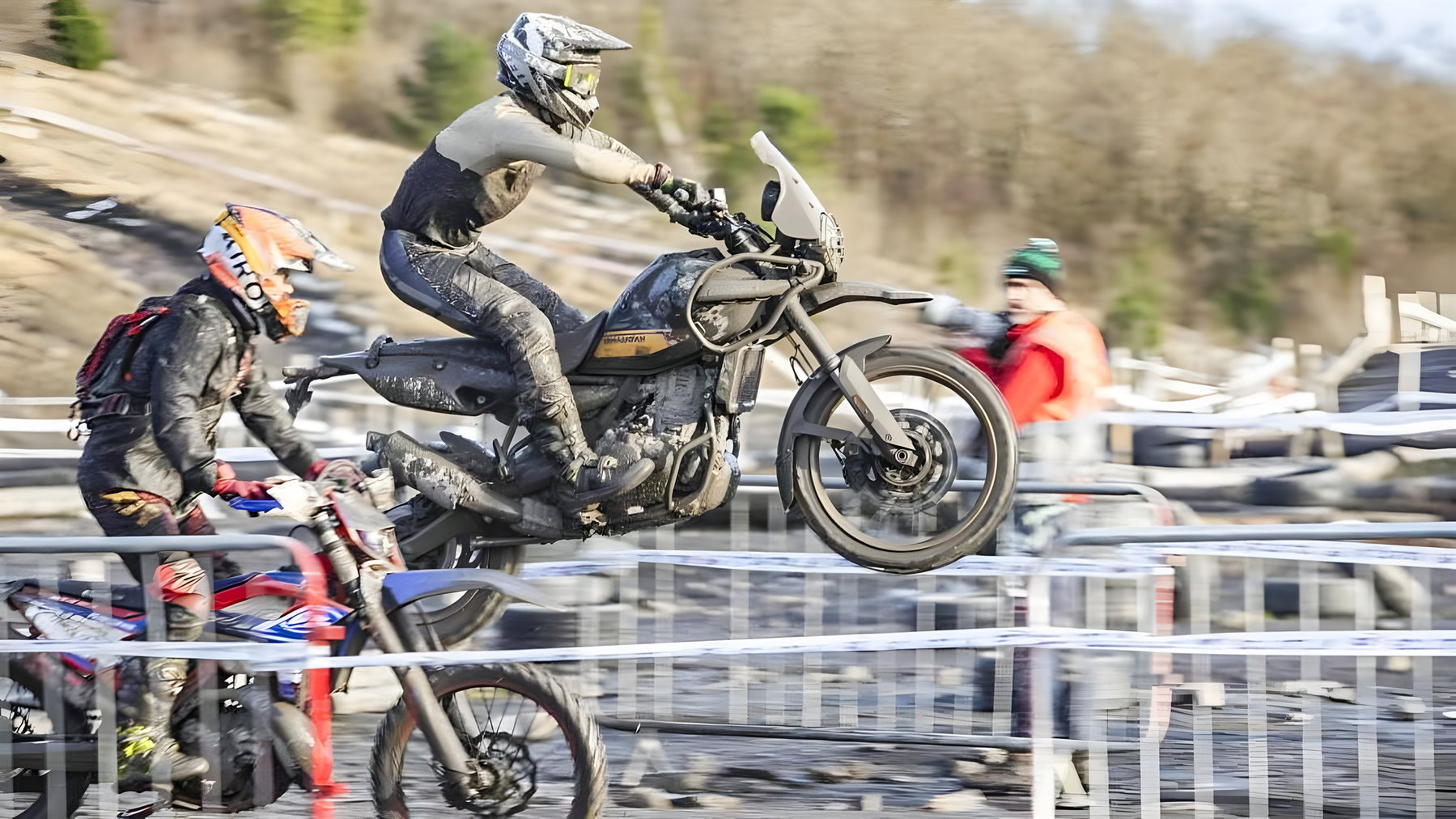
The Himalayan 440 is said to be a relaunched version of the old air-cooled Himalayan. It draws on the technology of the Scram 440, but gets back the typical looks and off-road focus of the Himalayan 411.
The background is also commercial. Royal Enfield runs four engine families. The 350, 450 and 650 cc families each carry several models. Only the 443 cc engine has so far sat in a single motorcycle, namely the Scram 440. A second model on the same basis spreads the development costs across more units. For the customer that is likely to mean a lower price, because many components have already been written off.
When will the Himalayan 440 go on sale?
The sales launch in India is expected for September 2026, and according to matching reports from several Indian trade media even for the first half of September. There is no official announcement from Royal Enfield so far.
First indications of the model surfaced back in April 2026. At that point a launch in the second half of the year was mentioned, without a more precise date. Since the beginning of August 2026 the reports have converged on September. As long as the manufacturer stays silent, however, the date remains an assumption.
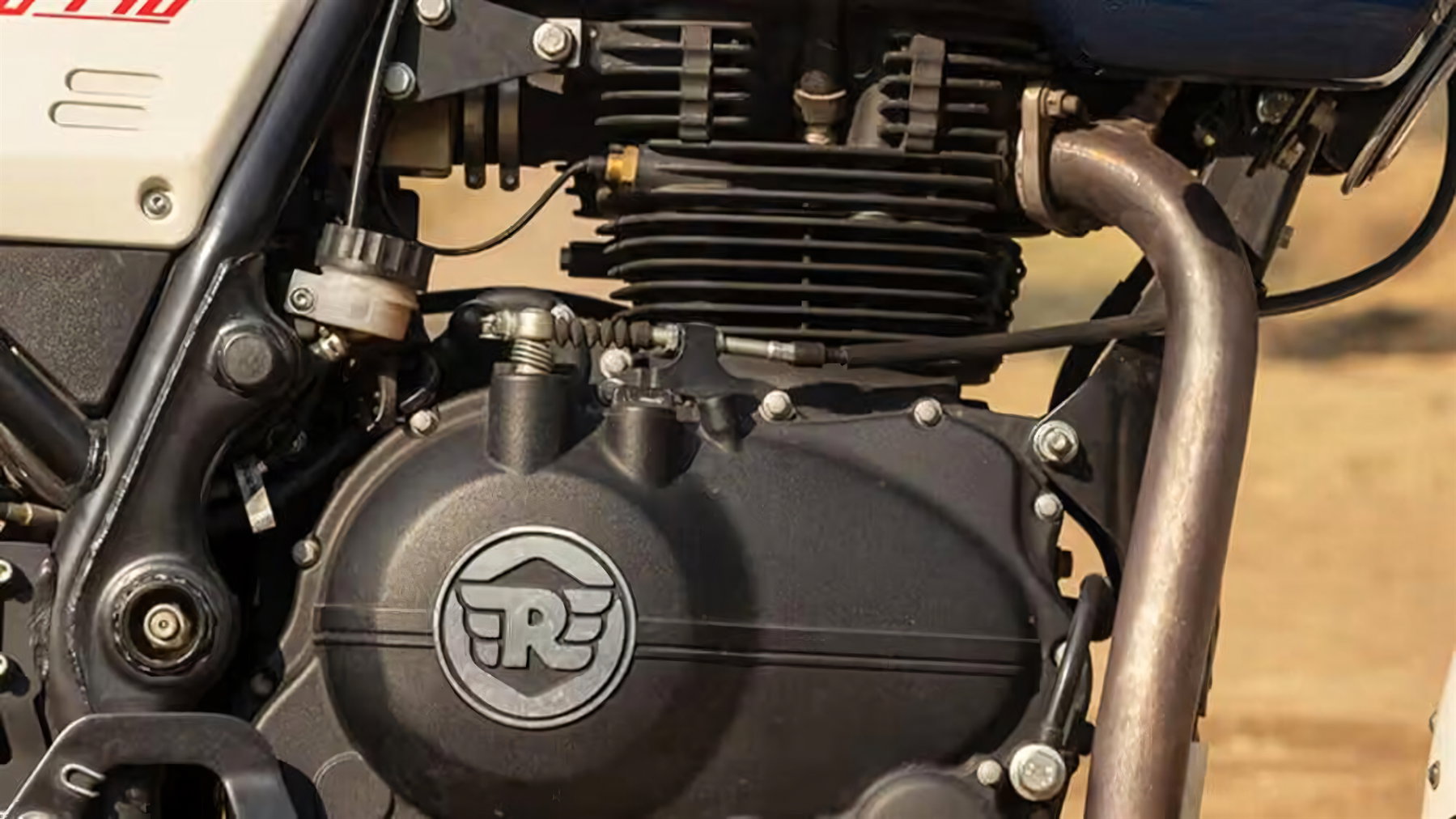
Which engine sits in the Himalayan 440?
The unit used is the LS440, a single-cylinder with 443 cc that is still cooled by air and oil. In the Scram 440 it produces 25.4 hp (18.7 kW) at 6,250 rpm according to the manufacturer and delivers 34 Nm (around 25 lb-ft) at 4,000 rpm.
The engine is not a new design but a further development of the old LS411 from the first Himalayan. Displacement grew via a bore enlarged by three millimetres. The dimensions are now 81 mm bore and 86 mm stroke, which makes the engine a pronounced long-stroke unit. Long-stroke means the piston travel is longer than the cylinder diameter. Such engines rev less freely, but pull strongly from low revs.
The gain in outright power is small. The old 411 made roughly 24.5 hp (18.0 kW) at 6,500 rpm and 32 Nm (around 24 lb-ft). More decisive is the sixth gear. The old Himalayan had only five ratios and revved audibly high on the motorway. A longer top ratio should defuse exactly the point that has bothered high-mileage riders most so far. Whether Royal Enfield adjusts the tuning compared with the Scram 440 is open. In the old range, the Himalayan and Scram shared the same engine with no differences.
Chassis, wheels and seat height
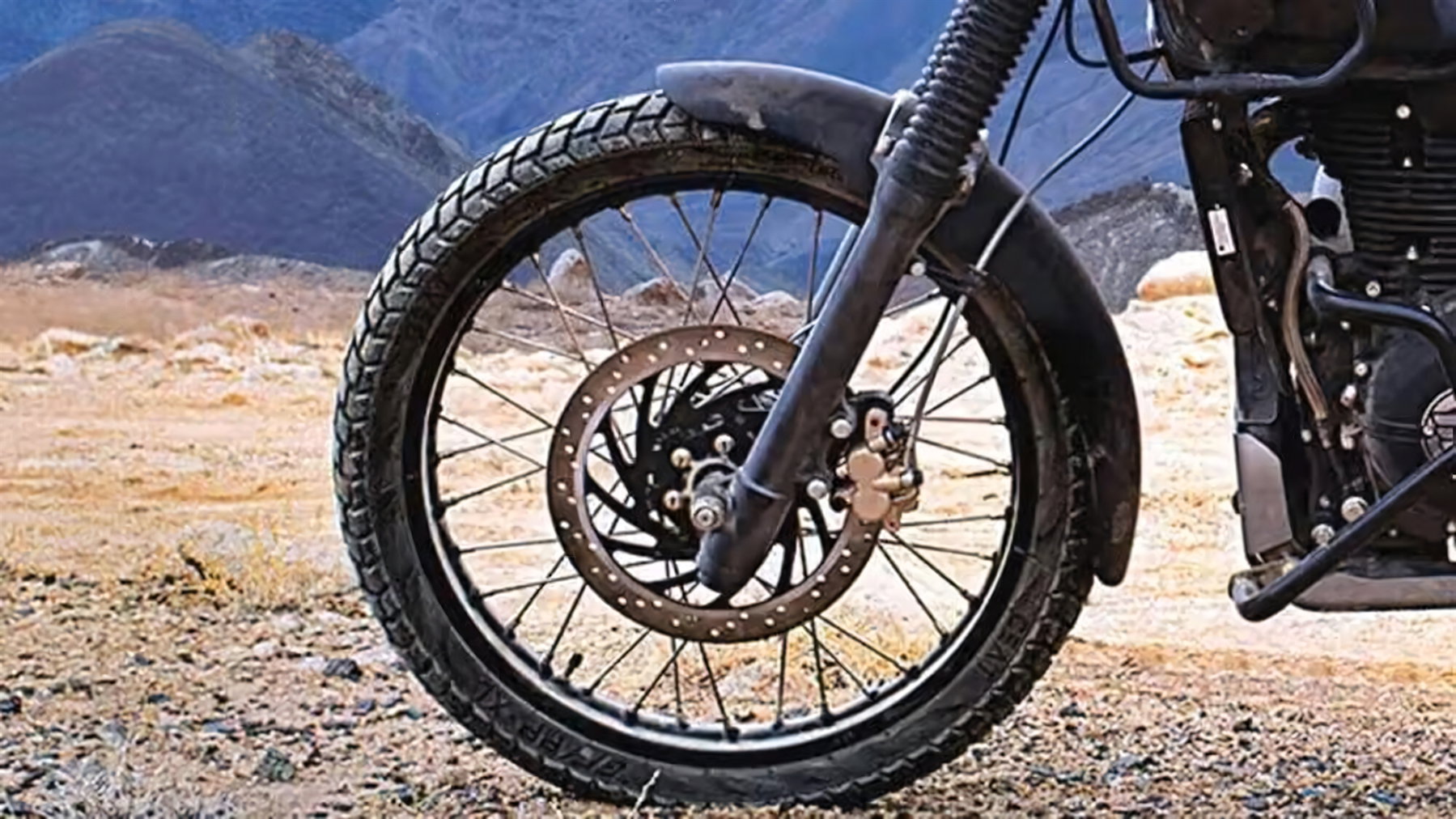
The most important difference from the Scram 440 is likely to be the tyres. A 21-inch front wheel and a 17-inch rear wheel are expected, presumably as spoked wheels with tube tyres. The Scram, by contrast, runs 19 inches at the front and is therefore more road-oriented. A larger front wheel rolls over ledges and rocks more calmly off-road.
On suspension travel the figures diverge. The Scram 440 has 190 mm at the front and 180 mm at the rear according to the manufacturer. For the old Himalayan 411, sources quote either 190 or 200 mm at the front wheel. It is correspondingly unclear whether the 440 returns to 200 mm. Only the layout is certain: telescopic fork at the front, monoshock with linkage at the rear.
Seat height should be around 800 mm, as on the old 411. The Scram 440 measures 795 mm. The Himalayan 450, by contrast, sits at 825 mm and is noticeably harder to handle for shorter riders. In terms of equipment, switchable ABS and the Tripper navigation pod are expected, but not riding modes or traction control. One report also mentions a wider screen and possibly a larger front brake disc. Neither is confirmed so far. There are no concrete weight figures for the Himalayan 440. For context: the Scram 440 weighs 196 kg (about 432 lbs) ready to ride.
What is the Himalayan 440 expected to cost?
Estimates from Indian trade media range between 2.30 and 2.60 lakh rupees ex-showroom, which converts to roughly 2,090 to 2,365 euros (approximately 2,420 to 2,735 US dollars). Several current reports consistently quote around 2.50 lakh rupees, equivalent to about 2,274 euros (approximately 2,628 US dollars).
That would place the model exactly between its two neighbours in the range. The Scram 440 starts at 2.24 lakh rupees in India, around 2,040 euros (approximately 2,360 US dollars). The Himalayan 450 starts at 3.06 lakh rupees and runs up to 3.39 lakh rupees in the top version, roughly 2,784 to 3,084 euros (approximately 3,216 to 3,563 US dollars). Important for context: all figures quoted are ex-showroom prices without taxes and registration. Actual on-road prices in India are considerably higher.
Why is Royal Enfield bringing the old range back?
The reason lies with the customers who did not follow the Himalayan 450. The new generation is regarded as technically better, but is seen by some riders as too complex, too tall and too expensive.
The Himalayan 411 had a reputation of its own. It was simply built, affordable and manageable to run. That is precisely what made it, well beyond India, a model many riders used as their entry into travelling by motorcycle. After the end of the 411, Royal Enfield lacked an affordable adventure bike in its line-up. The Himalayan 440 is meant to fill that gap without attacking the 450. It targets riders who want a long-stroke single without much electronics and are willing to do without a TFT display and elaborate suspension in return.
That places the model within a broader movement at Royal Enfield. Instead of dropping old ranges without replacement, the brand now grades its offering more finely and deliberately occupies several price steps within the same vehicle category.
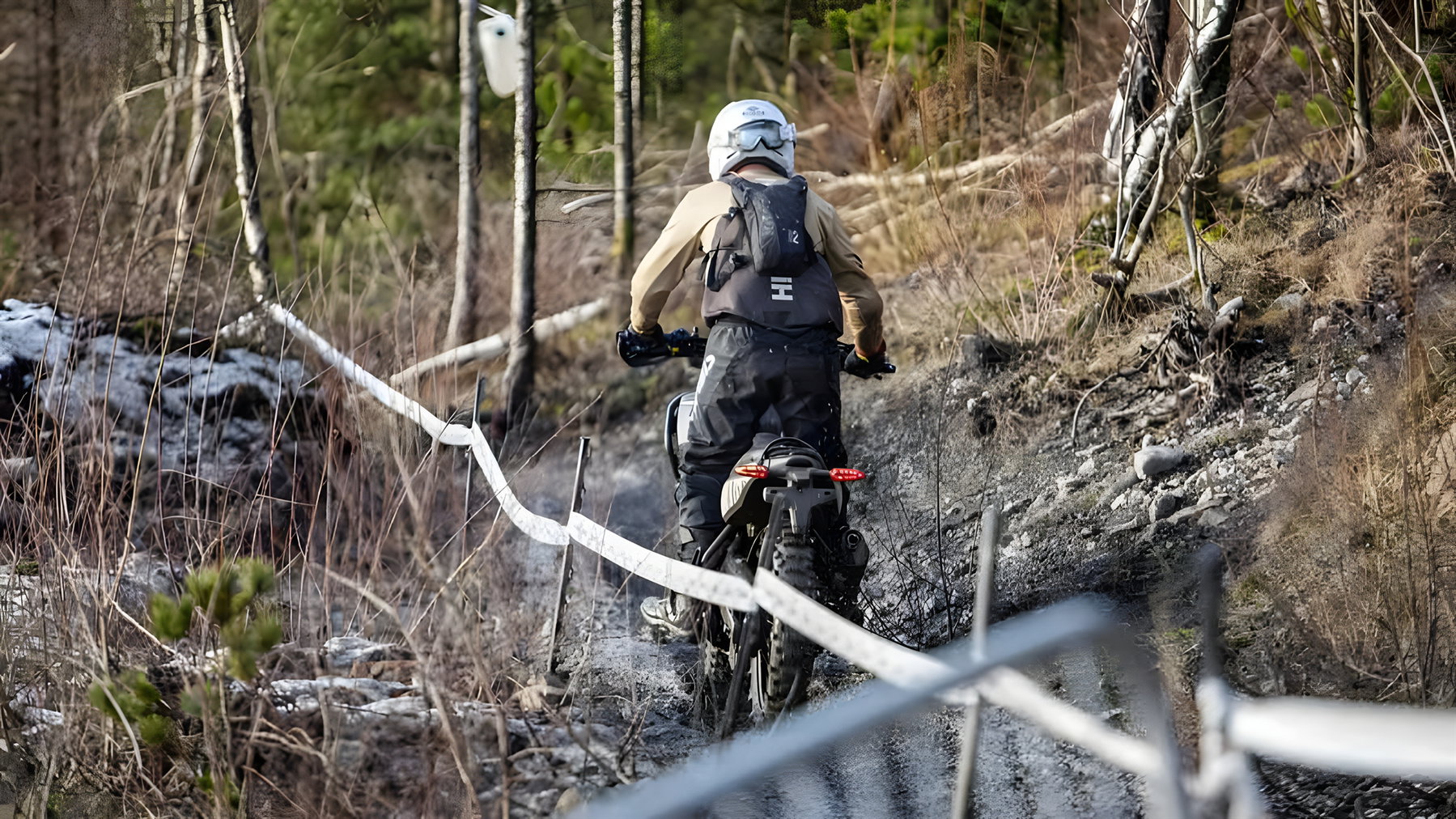
Will the Himalayan 440 also come to Europe?
There is no statement on this so far. Neither Royal Enfield nor the European subsidiaries have commented on a possible introduction.
The Italian trade press is openly campaigning for a launch. The argument there: should the model come to Europe, a price below 5,000 euros (approximately 5,780 US dollars) would be conceivable, putting it closer to the 350 models than to the Himalayan 450. The old Himalayan 411 is cited for comparison, most recently listed in Italy at 5,300 euros (approximately 6,125 US dollars). These are assumptions, however, not manufacturer figures. Whether Royal Enfield will take on the effort of European homologation is completely open at present.
Frequently asked questions
-
When is the Royal Enfield Himalayan 440 coming?
The market launch in India is expected for September 2026, according to several reports in the first half of September. Royal Enfield has not confirmed this date so far. There is no information on other markets.
-
How much power does the Himalayan 440 have?
The 443 cc single produces 25.4 hp (18.7 kW) at 6,250 rpm in the Scram 440 according to the manufacturer. The same figure is expected for the Himalayan 440. Torque stands at 34 Nm (around 25 lb-ft) at 4,000 rpm.
-
What is the difference between the Himalayan 440 and the Himalayan 450?
The 450 has a liquid-cooled engine with around 40 hp (about 29 kW) and 40 Nm, plus a TFT display, riding modes and more sophisticated suspension. The 440 stays air- and oil-cooled, is less powerful and more simply equipped. In return it is meant to be considerably cheaper and lower, with a seat height of around 800 mm.
-
What does the Royal Enfield Himalayan 440 cost in India?
Between 2.30 and 2.60 lakh rupees ex-showroom is expected, roughly 2,090 to 2,365 euros (approximately 2,420 to 2,735 US dollars). Several current reports quote around 2.50 lakh rupees. There is no official price.
-
Does the engine of the old Himalayan 411 return unchanged?
No. The LS440 is derived from the LS411, but has more displacement thanks to a bore enlarged by three millimetres. On top of that comes a sixth gear, which the 411 did not have.
➜ This article is part of our comprehensive overview: New Motorcycles 2026: All Models, Releases, and Highlights at a Glance. Find all key information on this topic in one place.
➜ All technical specifications at a glance: Royal Enfield Himalayan 440 2026 in our motorcycle database.