- 694 registrations in July 2026 mean a rise of 406 percent year on year
- LiveWire sold 267 motorcycles worldwide in the second quarter of 2026
- Ultraviolette says it now delivers to around ten European countries
Electric motorcycles have been treated as a niche on the verge of a breakthrough for years. In the United States the numbers have stayed small so far. In India, the world’s largest two-wheeler market, the picture is currently shifting. A start-up from Bengaluru is reporting its best month ever for July 2026, putting it well above the figures the best-known American electric brand posts for an entire quarter. The numbers are not directly comparable, but they say something about where electric motorcycles are actually finding buyers right now.
How many motorcycles did Ultraviolette sell in July 2026?
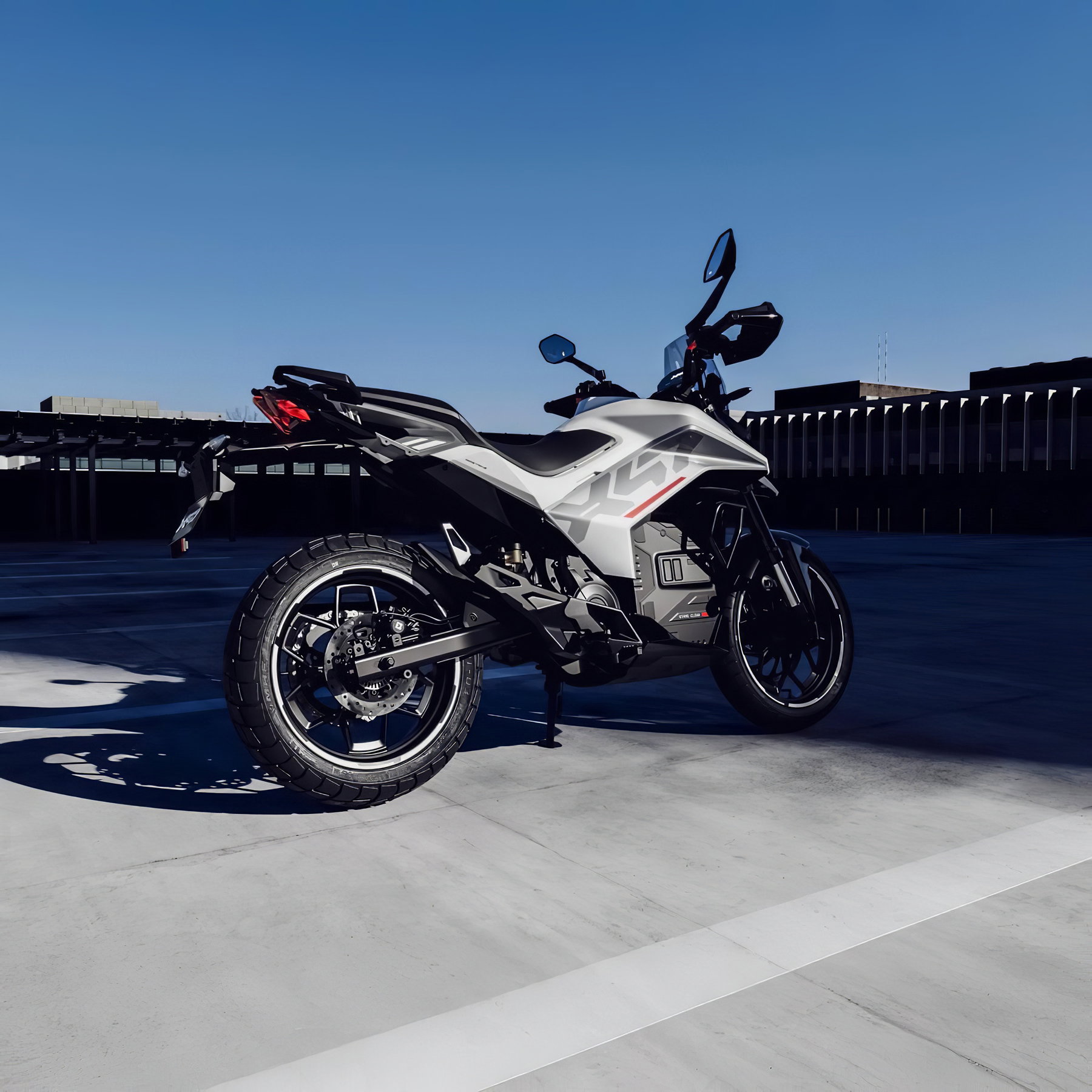
According to data from the Indian registration portal Vahan, Ultraviolette delivered 694 electric motorcycles in July 2026. That is 406 percent more than in July 2025, when 137 units were registered.
It is the strongest month since the brand started selling in February 2023. In June the figure still stood at 485 units, so the jump to 694 amounts to a rise of 43 percent within a single month. The year had begun in January with 406 units.
From the start of the year to 12 August 2026, 3,200 motorcycles have been sold, an increase of 353 percent on the same period last year. Across the entire company history, that is from February 2023 to 12 August 2026, the total comes to 5,473 units. This means 58 percent of all Ultraviolette motorcycles ever sold fall within the current year alone. For comparison, the previous years: 271 units in 2023, 443 in 2024 and 1,559 in 2025.
Why are sales rising so sharply right now?
Two developments are seen as triggers: the higher petrol price in India since mid-May and widespread customer uncertainty around the switch to E20 fuel. Both are said to have pushed buyers of premium-priced combustion bikes towards electric drive.
On top of that comes an in-house factor. Ultraviolette now offers its motorcycles with a battery rental scheme, known in market jargon as BaaS, or Battery as a Service. The battery is not bought with the bike but rented. For the X-47 this brings the entry price down from 250,000 rupees (approximately 2,255 euros / 2,615 US dollars) to 149,000 rupees (approximately 1,344 euros / 1,559 US dollars). That is a drop of around 40 percent in the purchase price, with the ongoing rental costs coming on top for the customer.
The dealer network is growing as well. Ultraviolette currently runs more than 40 so-called Experience Centres in larger Indian cities and has announced it will be present in 100 cities by the end of 2026. In June the first sales and service point in the north-east of the country opened in Aizawl in the state of Mizoram.
How many motorcycles does LiveWire sell by comparison?
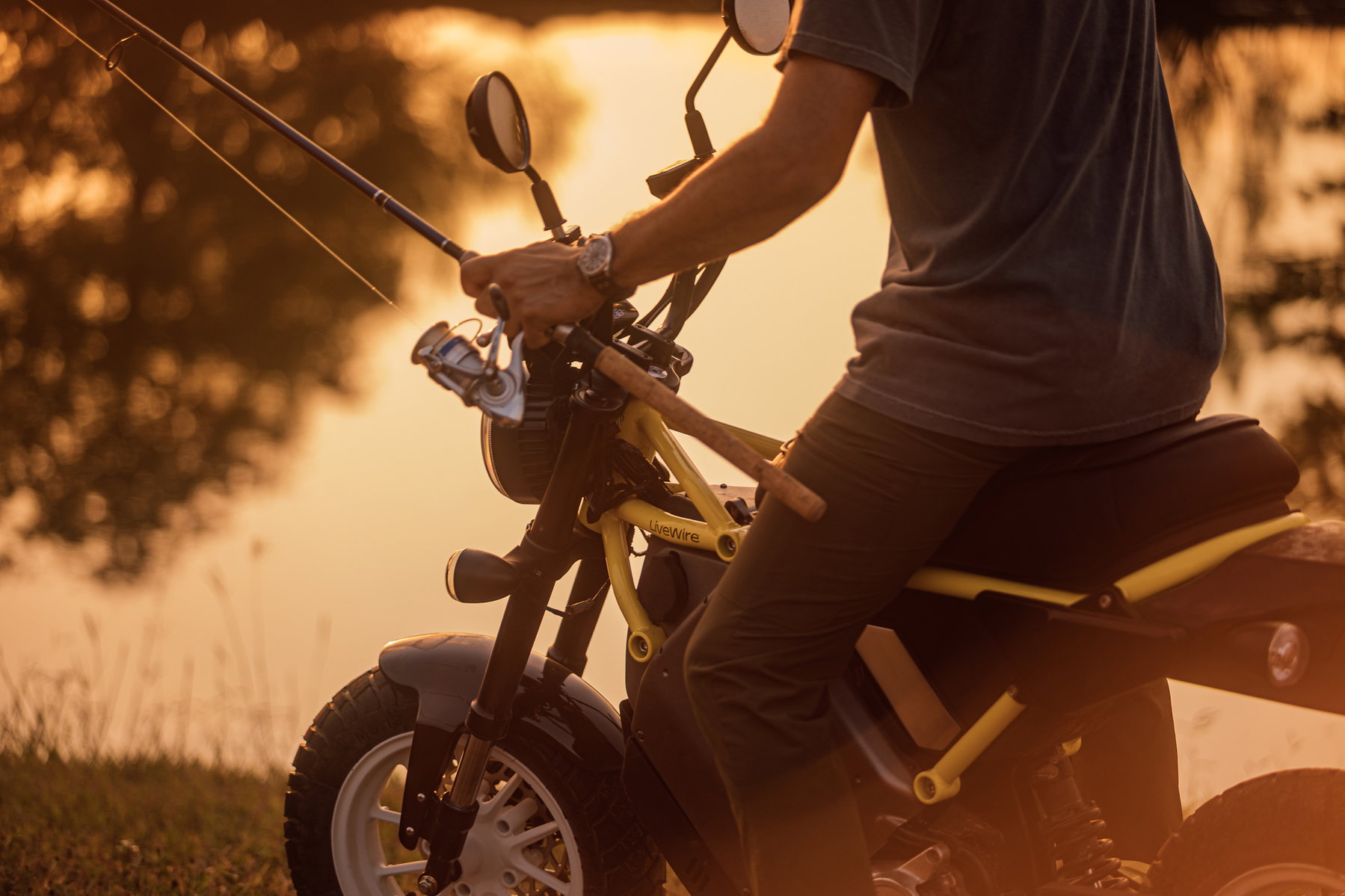
LiveWire, Harley-Davidson’s electric subsidiary, sold 267 motorcycles worldwide in the second quarter of 2026. In the same quarter a year earlier it was 55 units, which the company puts at a rise of 386 percent.
In the first quarter of 2026 LiveWire had shifted just 33 motorcycles. That gives 300 units for the first half of the year. Across the whole of 2025 the figure was 653 motorcycles. Revenue from the motorcycle division rose in the second quarter to 3.6 million US dollars (approximately 3.1 million euros), up from 0.8 million US dollars (approximately 0.7 million euros) a year earlier. The bottom line was a net loss of 18.2 million US dollars (approximately 15.7 million euros), after 18.8 million US dollars (approximately 16.2 million euros) in the same quarter last year.
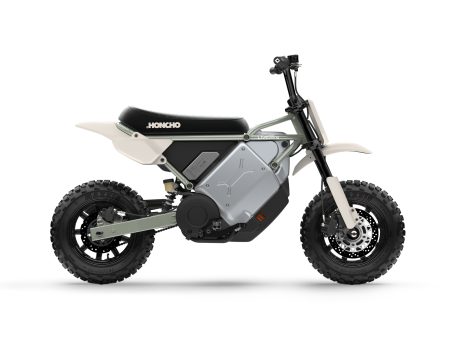
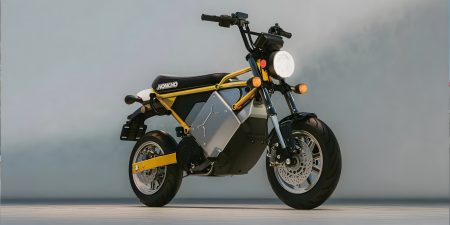
The group also includes the children’s brand STACYC with balance bikes and e-bikes, which shifted 5,223 units in the quarter. Group revenue stood at 9.1 million US dollars (approximately 7.9 million euros), 55 percent above the previous year’s figure. For the current year LiveWire has started production of the new S4 Honcho, whose first examples were due to reach dealers over the summer. In May 2026 the company also acquired electric off-road specialist Dust Motorcycles.
One other figure is worth noting: according to data from the Motorcycle Industry Council, as of 30 June 2026 LiveWire held a 76 percent share of the US segment for street-legal electric motorcycles from 50 kW upwards. So the brand is not being pushed out by competitors in its market segment. The segment itself is simply small.
Is the comparison between the two brands fair at all?
No, a direct comparison of the two figures is not methodologically sound. The 694 units are registrations in India within one month, while the 267 units are worldwide LiveWire sales across an entire quarter.
In arithmetic terms Ultraviolette’s July figure is around 2.6 times the LiveWire quarter and around 2.3 times LiveWire’s complete half-year. What is meaningful about this is above all the scale of the Indian market. Sales of motorcycles with combustion engines in India came to 13 million units in the 2026 financial year. Even a very small share of that produces volumes that Western electric brands have not reached so far.
Which models does Ultraviolette currently offer?
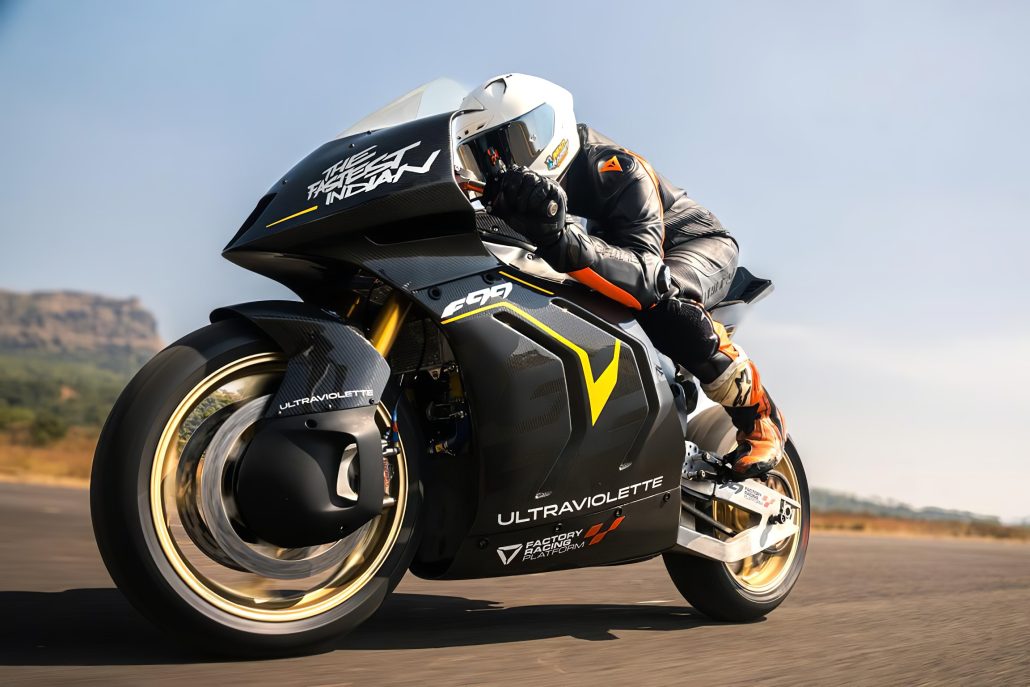
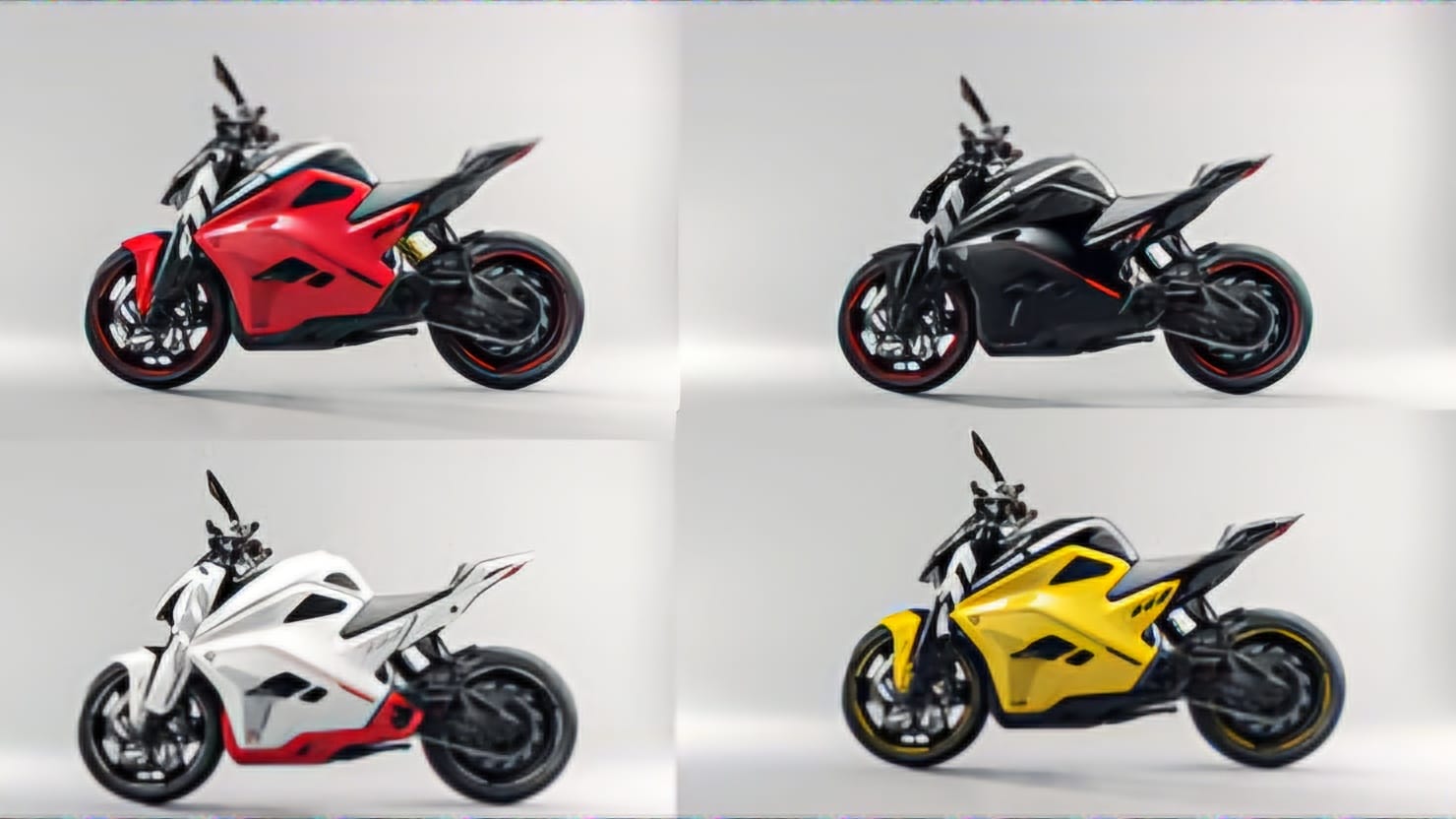
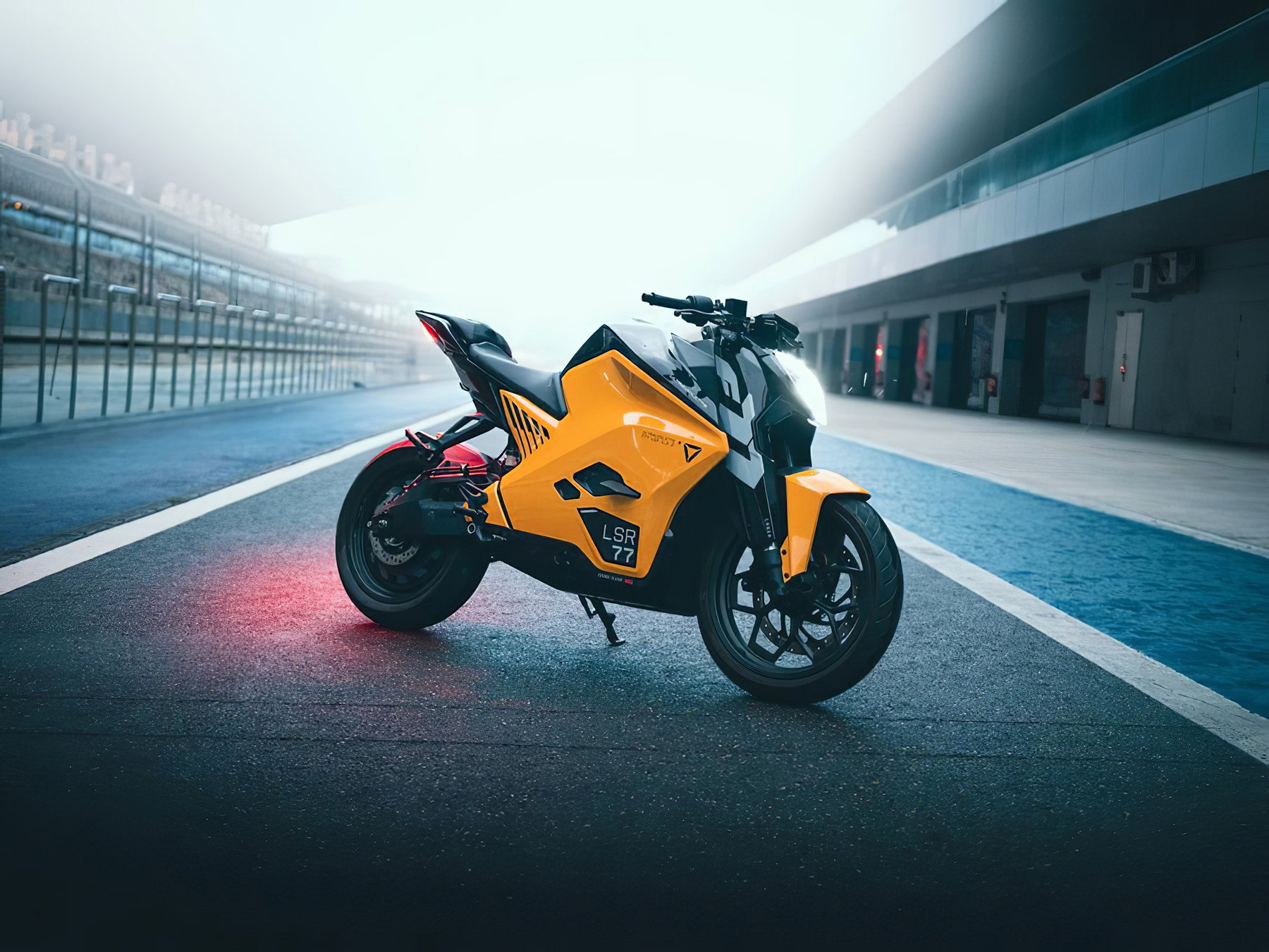
Ultraviolette currently sells four motorcycles: the F77 Mach 2, the F77 Superstreet as well as the X-47 and the X-47 Desert Wing. Prices range from 249,000 rupees (approximately 2,246 euros / 2,605 US dollars) to 459,000 rupees (approximately 4,140 euros / 4,801 US dollars).
The two F77 variants cost between 309,000 rupees (approximately 2,787 euros / 3,232 US dollars) and 424,000 rupees (approximately 3,824 euros / 4,435 US dollars) and reach 155 km/h. All three main models share the same drivetrain with around 41 hp (30 kW). The manufacturer quotes 100 Nm (approximately 74 lb-ft) for the motor and, elsewhere, 610 Nm (approximately 450 lb-ft) at the rear wheel, with the two figures referring to different measuring points. The 10.3 kWh battery is said to allow a range of up to 323 kilometres under the Indian IDC cycle, while Ultraviolette quotes 2.8 seconds for acceleration from 0 to 60 km/h, and 2.7 seconds for the X-47. The X-47 tops out at 145 km/h.
As a technical selling point the manufacturer cites a radar system that is said to be standard equipment on all six variants of the X-47. Company boss Narayan Subramaniam describes the function as follows: “The radar is calibrated for India market requirements, it’s got about 200 metres or sensing capability, real-time blind spot detection, collision and overtake alerts, and lane change assist.”
That makes the X-47 a crossover which, according to Subramaniam, is meant to appeal to riders of road machines, roadsters and off-road models alike. As competitors the manufacturer names combustion bikes in the 300 to 400 cubic centimetre class, among them the Royal Enfield 350 models, the Bajaj Pulsar N250, the TVS Apache RTR 310, the BMW G 310 R, the Kawasaki Ninja 300, the KTM 390 Duke, the Husqvarna Svartpilen 401 as well as the Harley-Davidson X440 and Mavrick 440.
Which new models are coming next?
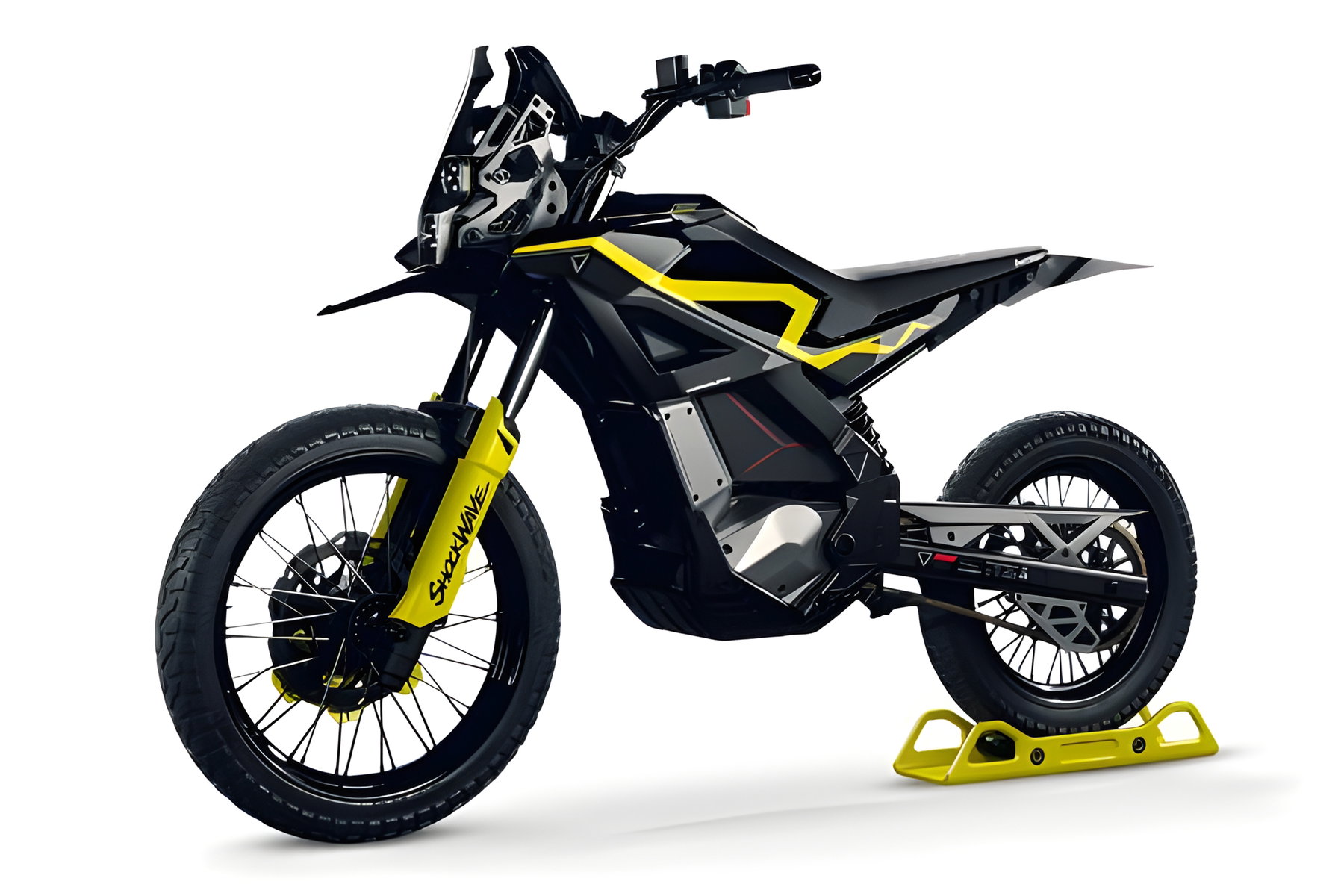
Ultraviolette is preparing two further vehicles: the Shockwave as an off-road model and the Tesseract electric scooter. Both sit clearly below the existing model range on price.
The Shockwave starts at 175,000 rupees (approximately 1,578 euros / 1,830 US dollars) and is aimed at city traffic and short weekend trips. The manufacturer quotes 14.5 hp (11 kW), 505 Nm (approximately 372 lb-ft) at the rear wheel, a top speed of 120 km/h and a weight of 120 kilograms (approximately 265 lbs). Added to that are a 19-inch spoked wheel at the front and a 17-inch wheel at the rear, a 270-millimetre brake disc at the front and a 220-millimetre disc at the rear, a cartridge fork with 37-millimetre stanchions and 200 millimetres of travel, plus a shock with 180 millimetres of wheel travel. A 5-inch TFT display, four levels of traction control, switchable dual-channel ABS and six recuperation levels are all standard. The Shockwave is set to be offered with either a single or a dual seat and in the colours Cosmic Black and Frost White. Deliveries were originally planned for the second quarter of 2026, a date that has since passed.
The Tesseract starts at 145,000 rupees (approximately 1,308 euros / 1,517 US dollars), is said to cover 261 kilometres under the IDC cycle, run at 125 km/h and accelerate from 0 to 60 km/h in 2.9 seconds. Output is quoted at around 21 hp (15 kW). Pre-orders are already being taken, with the market launch scheduled for January 2027.
When is Ultraviolette coming to Europe?
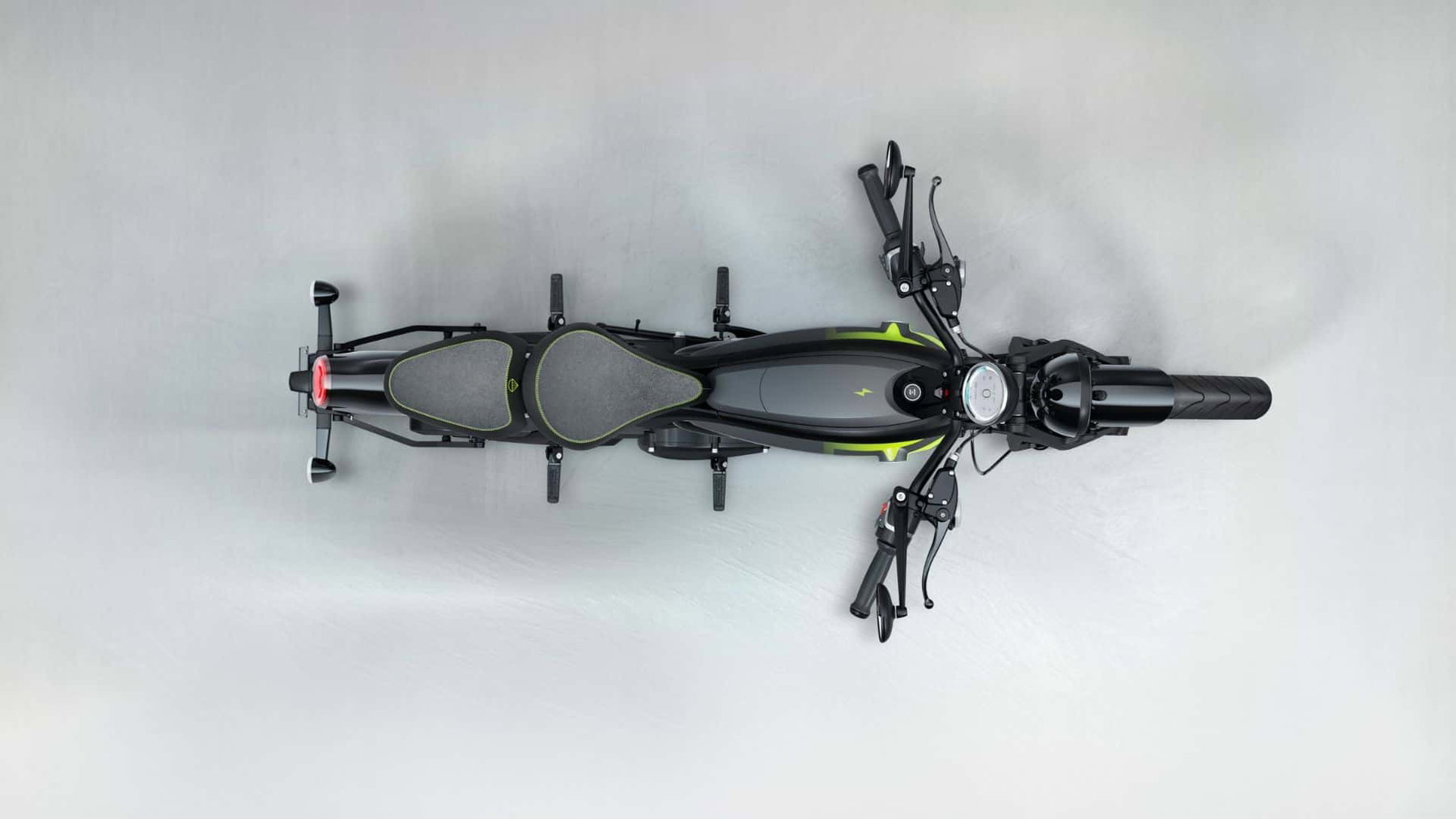
Ultraviolette is already present in Europe. The F77 has European type approval, and the X-47 is, according to the company, at an advanced stage of certification and is due to reach the European market during 2026.
Subramaniam puts the strategy like this: “Our global outlook goes back to 2016 when all the decisions taken on hardware, software architectures were with global certification in mind. India is a key market but we were clear right at the start that we need to take this brand global. Europe is critical because it has amongst the most stringent certification processes.”
The number of countries is reported differently in different places. The company boss himself speaks of around ten European countries, naming Germany, France, the United Kingdom, Spain, Portugal, the Netherlands, Belgium and Italy. Media reports also mention 19 countries, a figure that could not be confirmed.
Who sells more electric motorcycles in India?
Only two pure electric motorcycle manufacturers are ahead of Ultraviolette this year: Revolt Motors with 6,876 units and Oben Electric with 3,347 units, in each case up to 12 August 2026. Both, however, serve considerably cheaper price brackets.
Other players in the segment are Ola Electric, KLB Komaki, Matter Motor Works, Okaya EV and Wardwizard Innovations. The most recent competitor to arrive is Royal Enfield with its Flying Flea sub-brand. The Flying Flea C6 reached the market on 9 April and costs 279,000 rupees (approximately 2,517 euros / 2,918 US dollars), or 199,000 rupees (approximately 1,795 euros / 2,082 US dollars) with battery rental. Up to 12 August, 124 units had been sold, among them 63 in June and 32 in July. So far the model is only available in Bengaluru.
For the full year Ultraviolette is expected to shift a further 3,000 to 4,000 vehicles between August and the end of December, taking it past 6,500 units in a calendar year for the first time. The Bengaluru company is backed by TVS Motor and says it was the first Indian electric manufacturer to run its vehicles on the circuit of the Madras Motor Sports Club.
In the context of the 2026 model year, the development is evidence that electric motorcycles find buyers where price, range and availability come together. Whether that can be transferred to European markets remains to be seen once the X-47 is available here.
Frequently asked questions
-
How many motorcycles did Ultraviolette sell in July 2026?
Ultraviolette registered 694 electric motorcycles in India in July 2026. That is a rise of 406 percent compared with July 2025 and its 137 units. It is the strongest month since sales began in February 2023.
-
What does the Ultraviolette X-47 cost?
The X-47 starts at 249,000 rupees (approximately 2,246 euros / 2,605 US dollars). With the battery rental scheme the purchase price drops to 149,000 rupees (approximately 1,344 euros / 1,559 US dollars), with ongoing rental costs for the battery on top.
-
How many motorcycles does LiveWire sell?
LiveWire sold 267 motorcycles worldwide in the second quarter of 2026, after 33 in the first quarter. Across the whole of 2025 the brand reached 653 units. Despite these small numbers LiveWire holds a 76 percent market share in the US segment for electric motorcycles from 50 kW upwards.
-
Is Ultraviolette available in Germany?
Yes, Germany is one of the European countries where Ultraviolette is present. The F77 has European type approval and the X-47 is due to follow during 2026 according to the manufacturer.
-
Which new models is Ultraviolette planning?
The Shockwave from 175,000 rupees (approximately 1,578 euros / 1,830 US dollars) and the Tesseract electric scooter from 145,000 rupees (approximately 1,308 euros / 1,517 US dollars) are planned. The Tesseract is scheduled to launch in January 2027, while deliveries of the Shockwave have slipped compared with the original plan.