- Powertrain: 14.5 hp (10.8 kW) and 505 Nm (roughly 372 lb-ft) at the rear wheel, range of 165 km per Indian driving cycle
- Performance: 120 kg (roughly 265 lb), 120 km/h top speed, 0 to 60 km/h in 2.9 seconds
- Price in India: 175,000 rupees (roughly 1,900 euros / 2,050 US dollars), deliveries starting July 2026
Electric motorcycles from India could long be sorted into two categories: small commuter scooters for dense city traffic on one side, futuristically styled sportbikes on the other, aiming to compete in the same league as established brands. The Shockwave from Ultraviolette takes a third path. It is designed as a compact enduro — a lightweight motorcycle for both paved roads and unpaved trails — and it is precisely this approach that makes it a strategically important model for the manufacturer. Rather than competing against decades of racing heritage in the West, the Shockwave targets a segment where the combustion engine is increasingly under pressure.
What Is the Ultraviolette Shockwave?
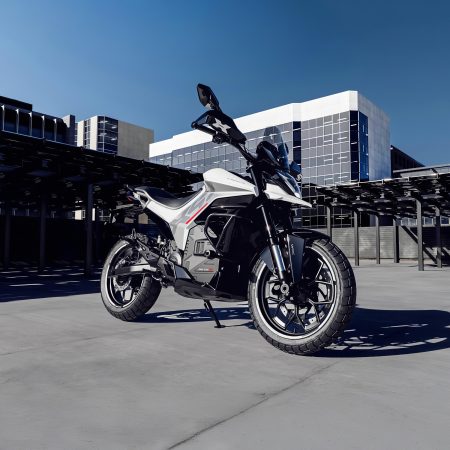
The Ultraviolette Shockwave is a fully electric dual-sport motorcycle from Indian manufacturer Ultraviolette, designed for both road and light off-road use. According to the company, it is the first street-legal electric dual-sport model in India.
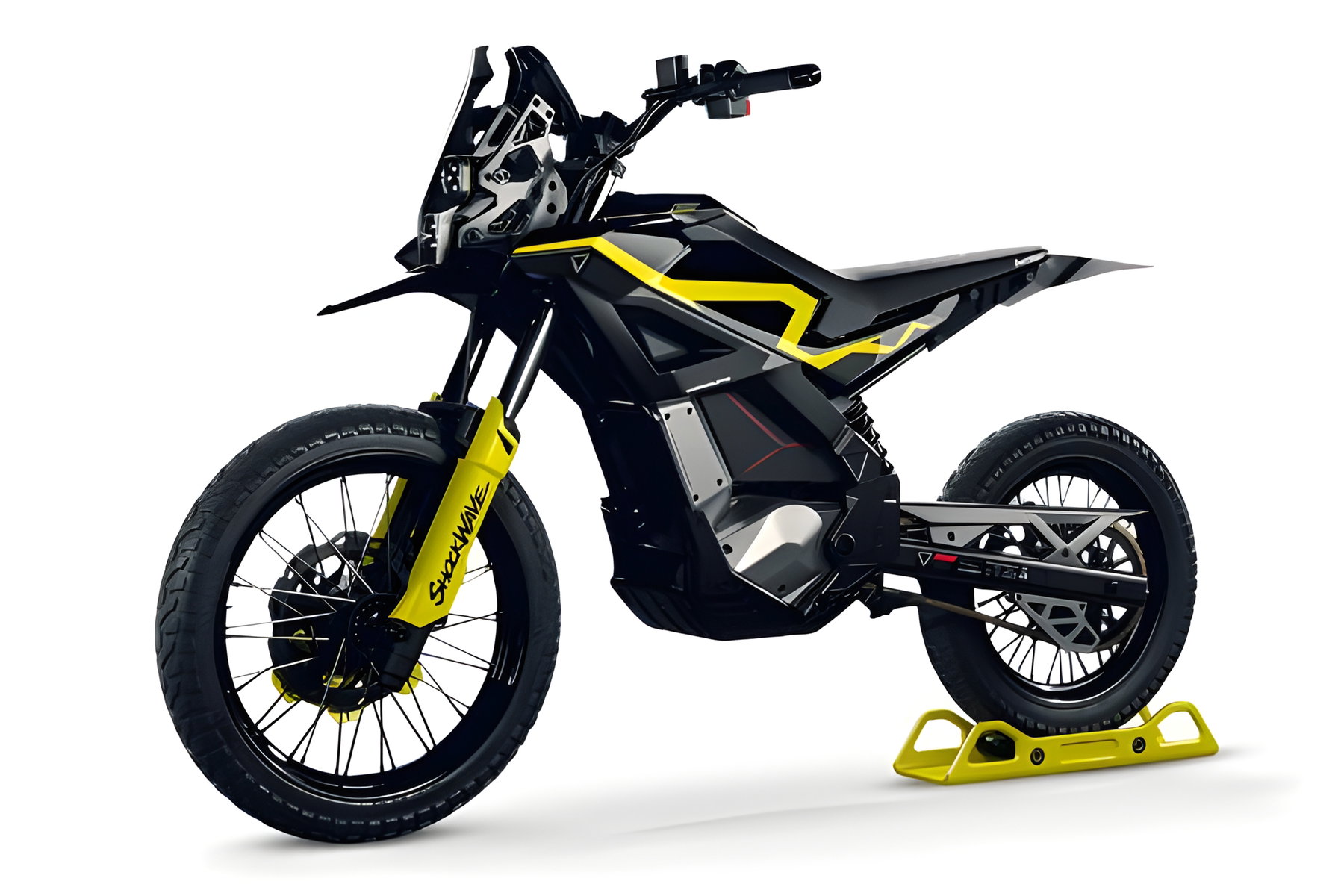
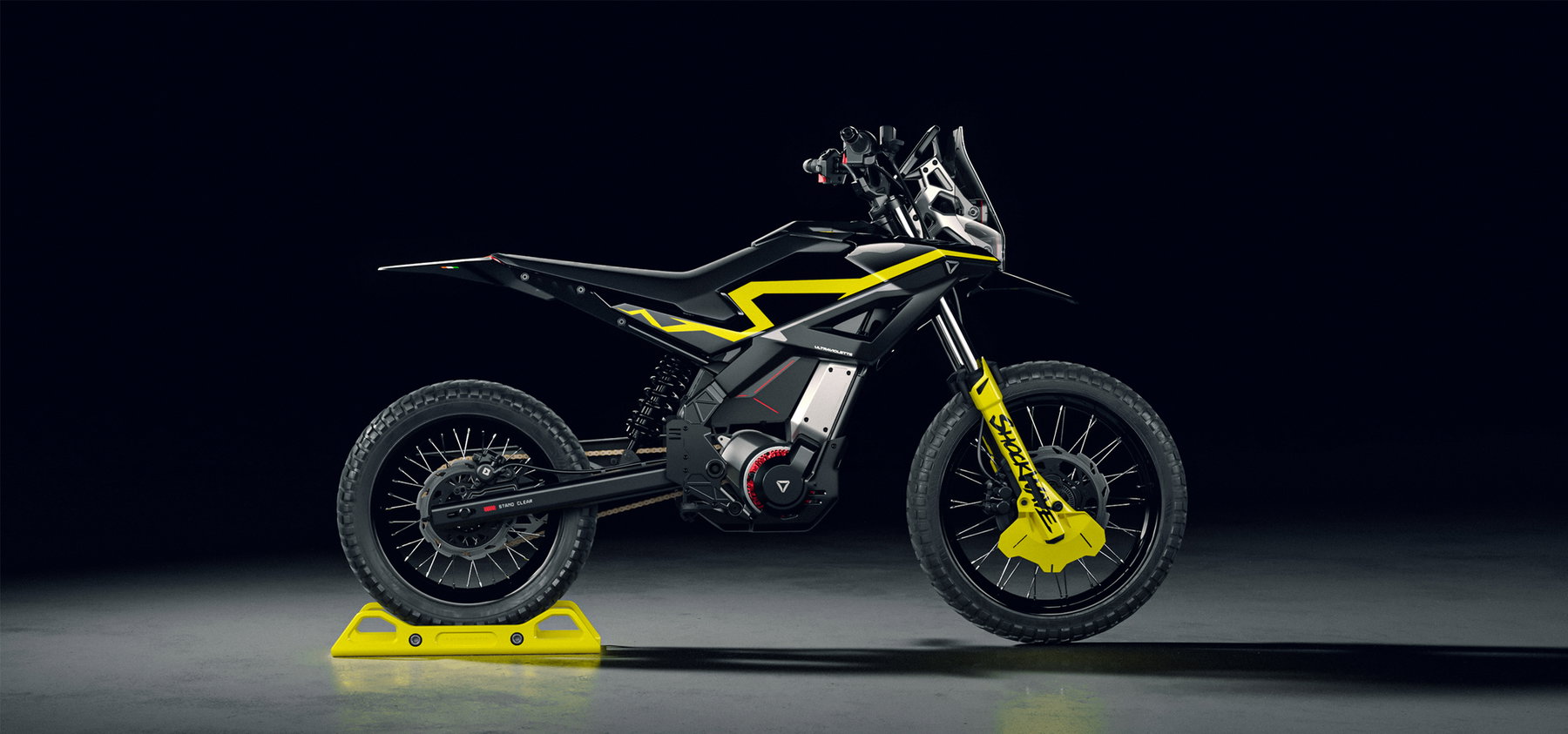
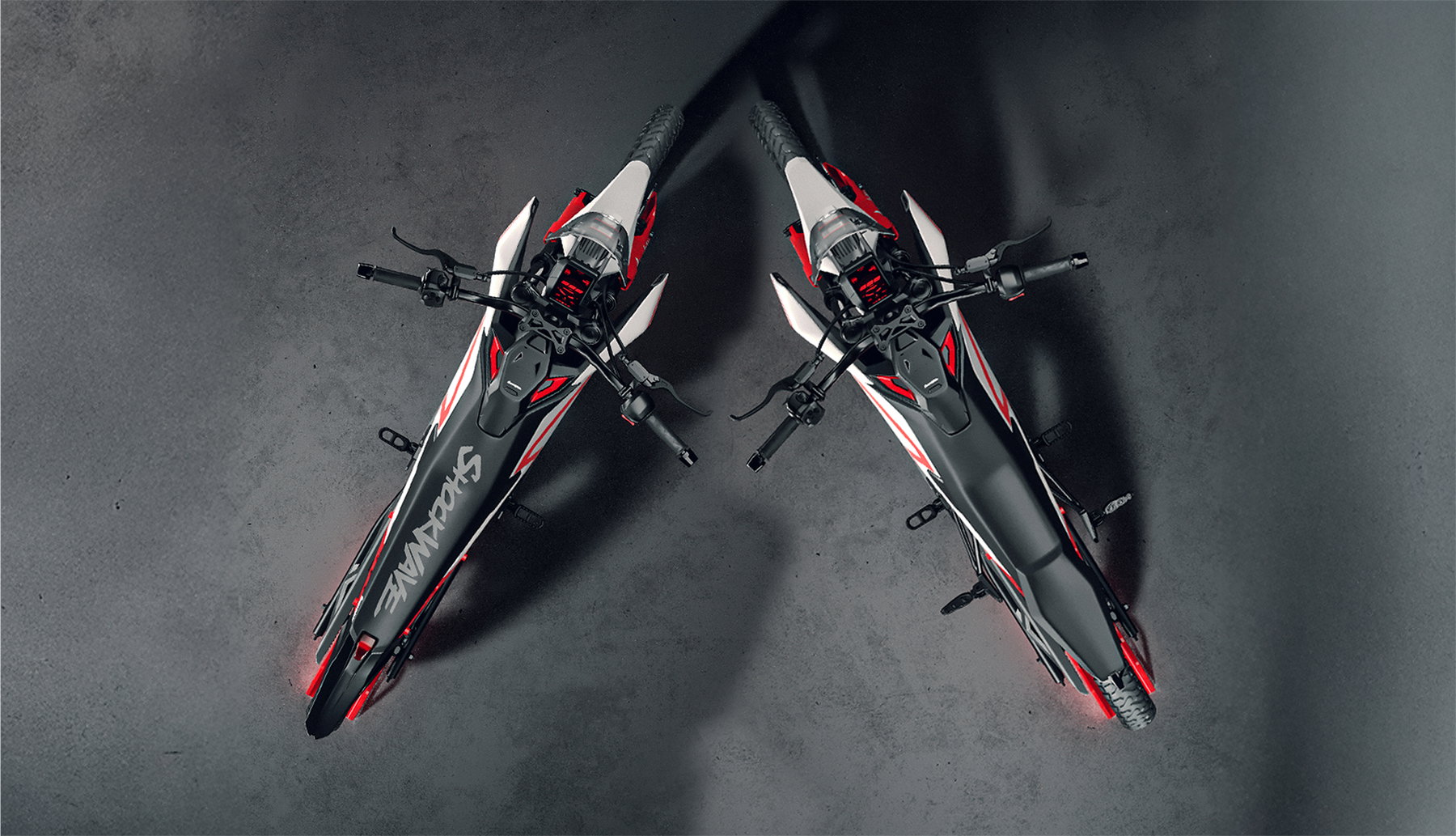
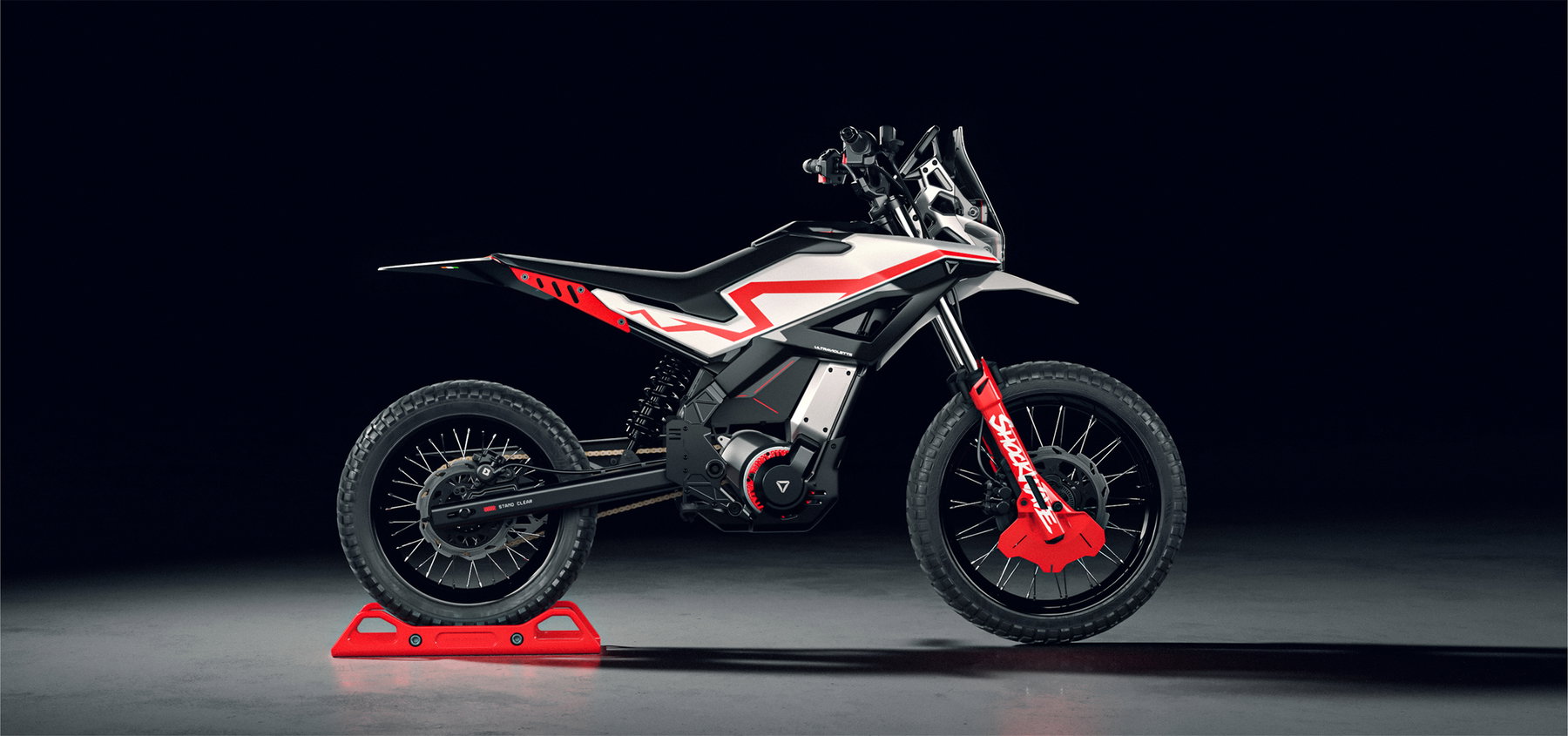
Visually, the machine draws inspiration from classic off-road bikes. Features include a high-mounted front fender, a slim silhouette, a rally-style fairing above the headlight, and stacked LED projection headlights. The cockpit houses a vertically oriented five-inch TFT display. For off-road protection, the images show a skid plate, fork protectors, and a brake disc guard. The Shockwave is available with either a single or dual seat and comes in two colorways: Cosmic Black and Frost White. The manufacturer describes its character as a modern, electric interpretation of the once-popular two-strokes. Technically, the Shockwave is built on a new, lightweight platform intended to underpin additional models in the future.
What Are the Ultraviolette Shockwave’s Technical Specifications?
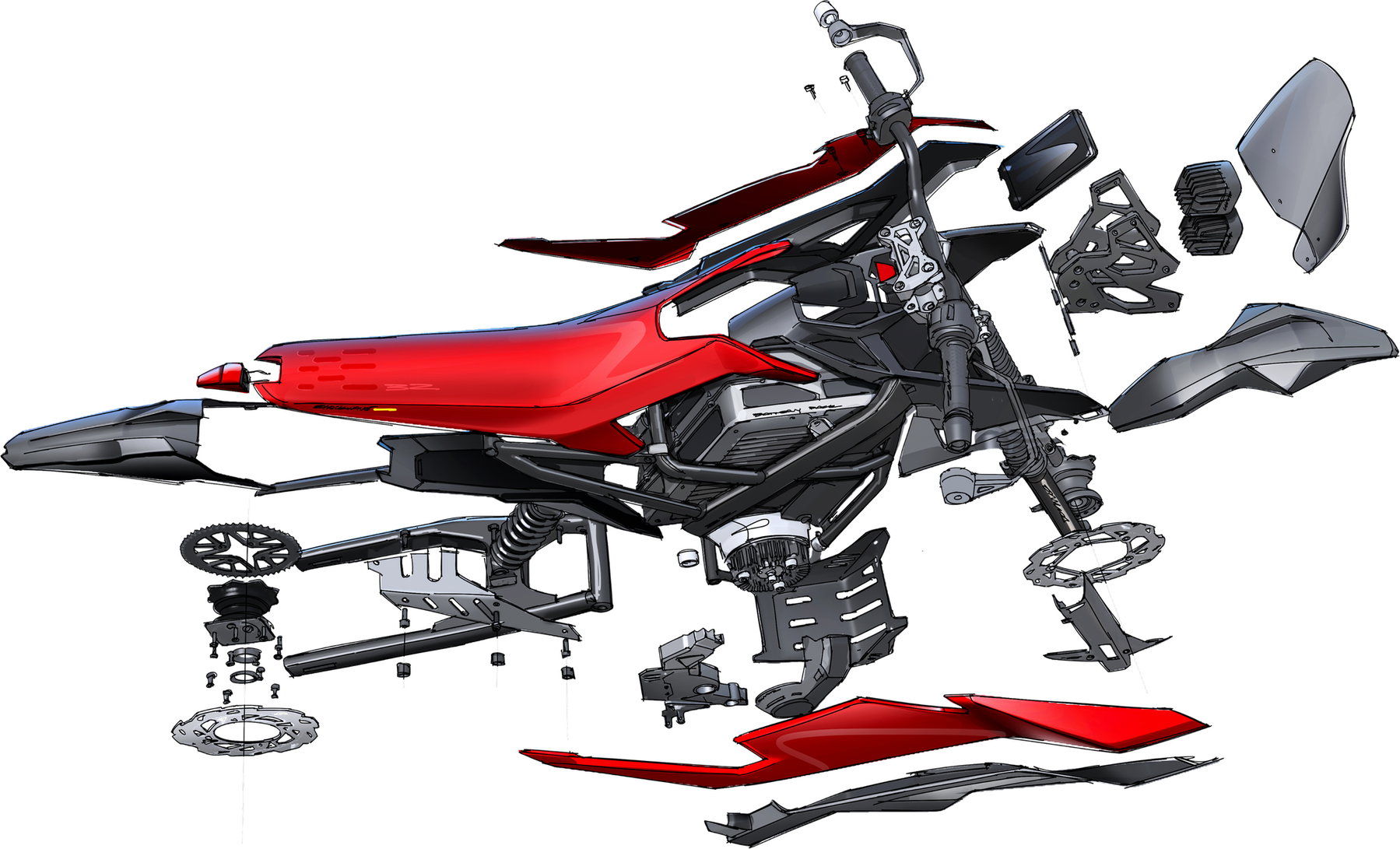
The Shockwave combines a frame-mounted permanent-magnet synchronous motor with a battery pack of roughly 4 kWh capacity. This produces unusually strong figures for such a lightweight motorcycle.
Motor and Performance
The electric motor delivers 14.5 hp (10.8 kW) and produces 505 Nm (roughly 372 lb-ft) of torque at the rear wheel. Power is transmitted to the rear wheel via chain drive. Top speed is 120 km/h, and the sprint from 0 to 60 km/h is completed in a claimed 2.9 seconds. The manufacturer quotes a range of 165 km per the Indian Driving Cycle (IDC). Curb weight stands at 120 kg (roughly 265 lb), making the Shockwave only about ten to 15 kilograms heavier than an average 450cc dirt bike.
Chassis, Brakes, and Equipment
Up front, a 37 mm fork provides 200 mm of travel, while a monoshock at the rear offers 180 mm. The spoke wheels measure 19 inches at the front and 17 inches at the rear and are fitted with knobby tires in 90/90 R19 and 110/90 R17 dimensions. Braking is handled by a 270 mm disc with an axially mounted two-piston caliper at the front and a 220 mm disc with a floating single-piston caliper at the rear. Additional features include switchable dual-channel ABS, four-level adjustable traction control, and six-level adjustable regenerative braking. According to the manufacturer, the battery can be charged from 20 to 80 percent in roughly 30 minutes. The vertically mounted TFT display also offers Bluetooth and e-SIM connectivity. The press images show the cockpit displaying a Ballistic mode, suggesting ride modes similar to those on the sibling model F77.
Why Could the Shockwave Make Sense Outside India?
The Shockwave is seen as the model with which Ultraviolette could gain a foothold outside India more easily than with an expensive electric sportbike. The manufacturer has recently expanded its activities into Europe and aims to generate roughly one-third of its revenue outside India in the medium term.
The reasoning is understandable. Anyone looking to sell an electric superbike abroad is competing against brands with long racing histories and loyal followings. A lightweight electric off-road motorcycle, however, operates in a different competitive space. In Europe, small combustion-engine enduros are coming under increasing pressure from stricter emissions regulations and urban access restrictions, while electric trail and dirt bikes are evolving from niche products into a standalone category. On top of that, enduro buyers have different expectations than sport riders. Accessibility, torque, and everyday practicality take priority over outright top speed. The electric drivetrain fits this requirement profile well: the instantly available torque helps in technical terrain, the quiet operation reduces conflicts with residents, and maintenance requirements are lower. Among the new models of 2026, the Shockwave falls in line with the trend of increasingly serious electric off-road motorcycles.
How Does the Shockwave Compare to the Competition?
In India, the Shockwave currently has no direct electric competitor, as it is regarded as the first and so far only street-legal electric dual-sport there. The manufacturer cites the Kawasaki KLX 230 as well as the Hero XPulse 200 4V and Hero XPulse 210 as the nearest combustion-engine alternatives.
Internationally, the comparison stands out primarily on price. The closest electric competitor is considered to be the Zero XB, which delivers roughly 373 Nm (275 lb-ft) — less torque — but at approximately 63 kg (139 lb) is significantly lighter, and is offered at around 3,885 euros / 4,195 US dollars. At the other end of the spectrum sits the Stark Future with roughly 1,036 Nm (764 lb-ft) and a weight of 120 kg (264 lb), though at around 11,950 euros / 12,900 US dollars it costs many times more. For comparison, the F77 sportbike from the same manufacturer started at the equivalent of roughly 3,430 euros / 3,700 US dollars.
What Does the Ultraviolette Shockwave Cost and When Is It Coming?
In India, the regular price is 175,000 rupees (roughly 1,900 euros / 2,050 US dollars). For early buyers, the manufacturer had set an introductory price of around 150,000 rupees (roughly 1,630 euros / 1,765 US dollars).
Deliveries were originally planned for the first quarter of 2026. According to the manufacturer, the first units are now expected to reach customers from July 2026. Pre-orders are already open, and reports indicate that the Shockwave has collected more than 7,000 reservations since its unveiling. These prices initially apply to the Indian market. Correspondingly different prices would be expected in other regions, as Ultraviolette intends to push its expansion over the coming years and names Europe as a primary target.
➜ This article is part of our comprehensive overview: New Motorcycles 2026. Find all key information on this topic in one place.
Frequently Asked Questions
-
How much does the Ultraviolette Shockwave cost?
The Ultraviolette Shockwave costs 175,000 rupees (roughly 1,900 euros / 2,050 US dollars) at regular price in India. Early customers were offered an introductory price of around 150,000 rupees (roughly 1,630 euros / 1,765 US dollars). These prices apply to the Indian market; different pricing is expected in other regions.
-
When will the Ultraviolette Shockwave be delivered?
Deliveries are expected to begin from July 2026 according to the manufacturer. The market launch was originally planned for the first quarter of 2026. Pre-orders are already open.
-
How much power and torque does the Shockwave have?
The Shockwave produces 14.5 hp (10.8 kW) and delivers 505 Nm (roughly 372 lb-ft) at the rear wheel. This enables a top speed of 120 km/h and acceleration from 0 to 60 km/h in 2.9 seconds. It is powered by a frame-mounted permanent-magnet synchronous motor.
-
What is the Shockwave’s range?
The Shockwave achieves a range of 165 km per the Indian Driving Cycle (IDC). It uses a battery with roughly 4 kWh capacity that can be charged from 20 to 80 percent in approximately 30 minutes. Real-world range figures from this cycle tend to be lower.
-
Does the Shockwave have direct electric competition?
In India, there is currently no directly comparable electric dual-sport model. Internationally, the significantly more expensive Zero XB and Stark Future are cited as competitors. Combustion-engine alternatives include the Kawasaki KLX 230 as well as the Hero XPulse 200 4V and XPulse 210.