- Plug-in hybrid combining a combustion engine and electric drive, Voge has not yet released detailed technical data
- First motorcycle on the new Jiyu Smart Mobility platform
- No production model has been announced
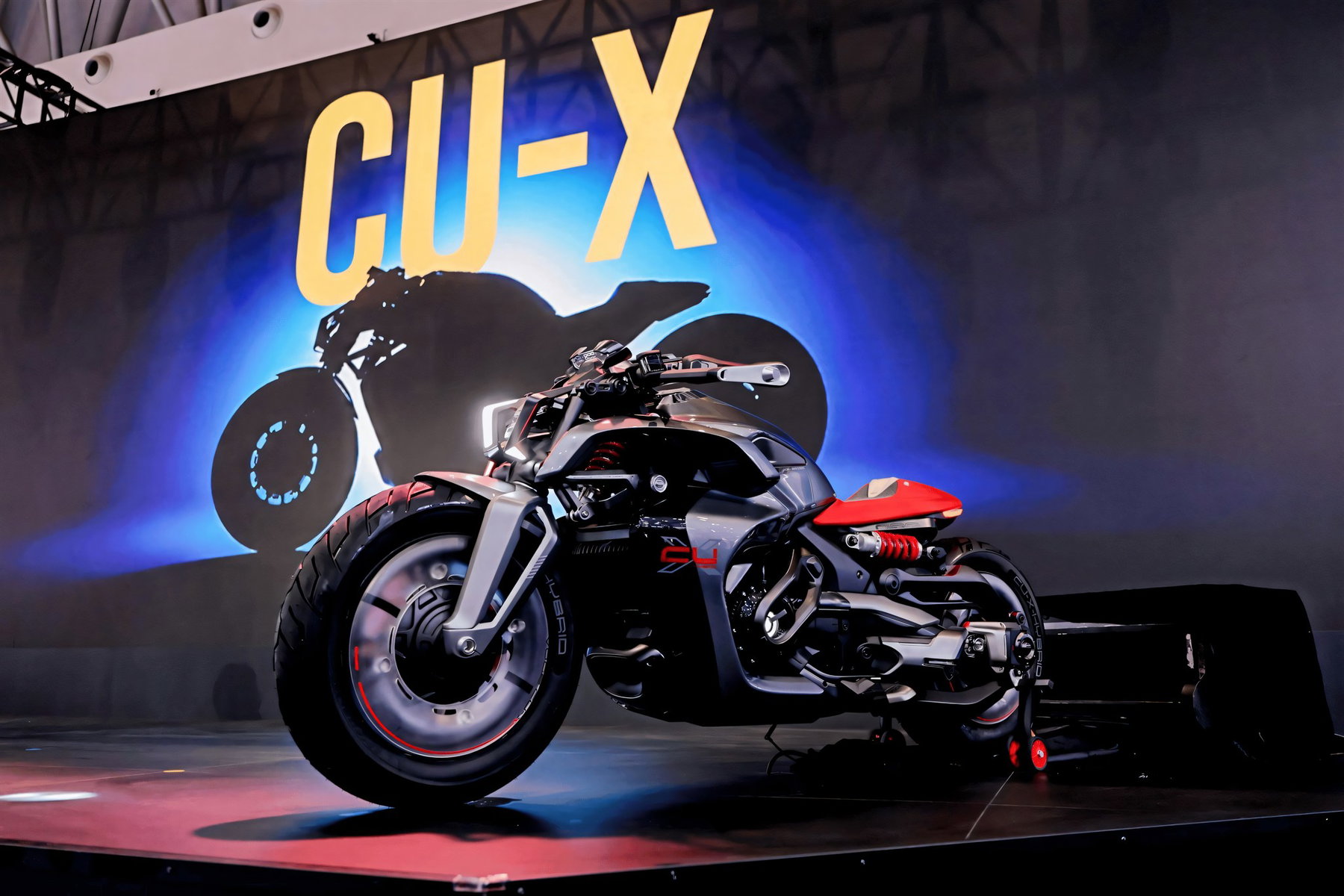
On 19 September 2026, the 24th China International Motorcycle Expo, or CIMA for short, opened in Chongqing. It kicked off the trade show season, which continues in November with EICMA in Milan. Voge, the premium brand of Chinese manufacturer Loncin, used the very first show day for its own technology presentation. The focus was on the CU-X Hybrid Concept. It combines a combustion engine with an electric drive and a battery that can be charged externally. More important than the eye-catching design, however, is what the motorcycle stands for. The CU-X is the first vehicle on the new Jiyu Smart Mobility platform. It is designed to make the powertrain, chassis and assistance systems work together more closely in future.
What is the Voge CU-X Hybrid Concept?
The Voge CU-X is a concept motorcycle, not a production model. With it, Voge shows which technology the company is currently working on and in which direction it wants to develop.
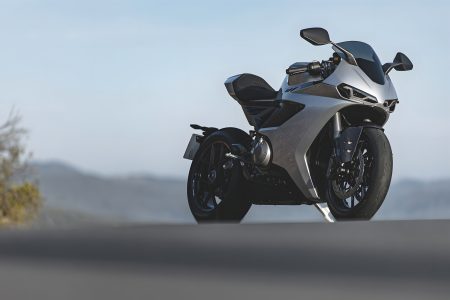
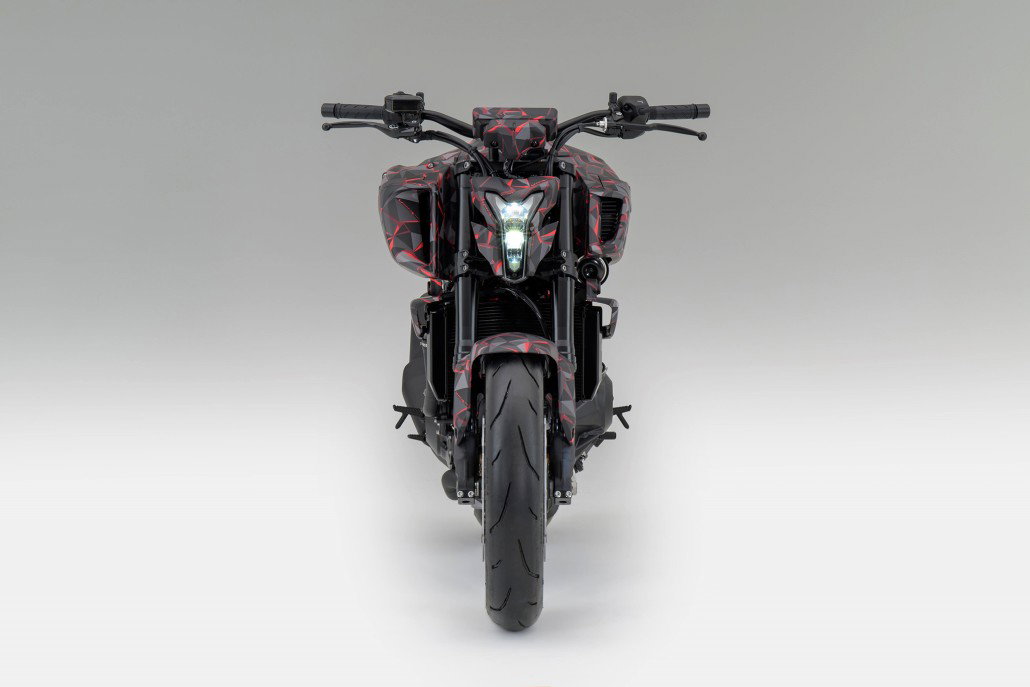
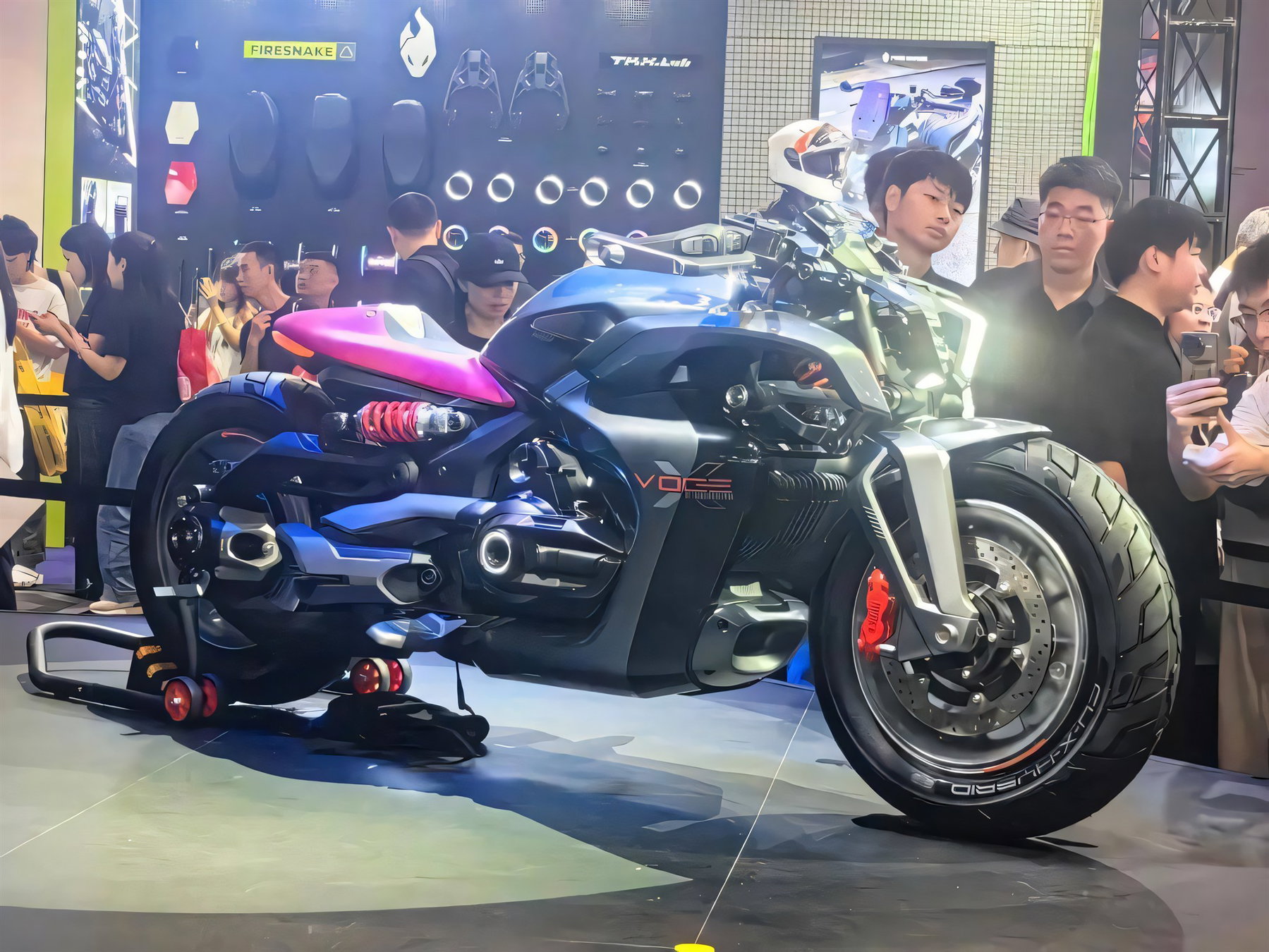
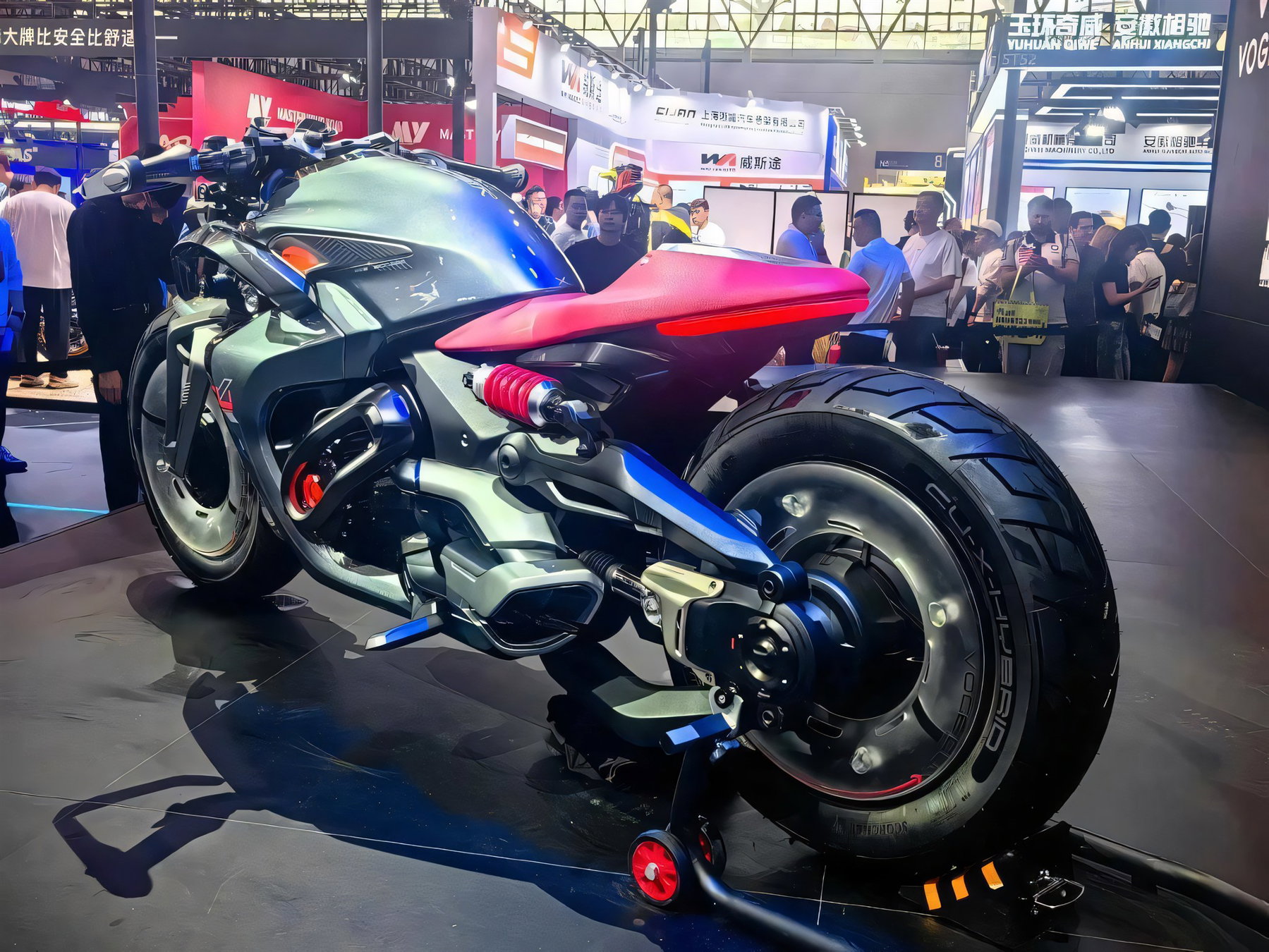
Visually, the CU-X is a wide, low power cruiser. The front looks aggressive and there is no windscreen. Added to this are details more familiar from sporty motorcycles, such as guards in front of the brake and clutch levers. From the front, an LED daytime running light stands out, its shape reminiscent of fangs.
Voge itself sums up the concept in three short sentences: “This is more than a new concept. It’s VOGE imagining what the next generation of motorcycling could be like. The future of two-wheeled mobility begins here.”
According to Chinese reports from the presentation, the CU-X is the brand’s first concept vehicle with a hybrid drive combining a petrol engine and an electric motor.
How does the Voge CU-X hybrid drive work?
Voge has not explained this in detail so far. All that is certain is that a combustion engine works together with an electric drive and an externally chargeable battery. It is therefore a plug-in hybrid.
What remains open is how the two drives are connected. Several variants are possible. The electric motor could assist the combustion engine via the gearbox or propel the motorcycle on its own over short distances. The combustion engine could charge the battery at times. Or both drives work together when full power is needed.
There is also no information on displacement, battery capacity or weight. This means it is not yet possible to say how much fuel the system could save. Some trade media report that a combustion engine is said to be combined with two electric motors. System output is said to exceed 100 hp (around 74 kW), putting it on the level of a 1,000 cc motorcycle. Voge has not officially confirmed these figures.
Why a plug-in hybrid suits a cruiser in particular
Combustion engines and electric motors have almost opposite strengths. A petrol engine needs revs before it develops its full power. An electric motor, by contrast, delivers plenty of torque from the lowest revs. Well tuned, the e-drive can therefore help exactly where the combustion engine is weak.
This is particularly interesting on a cruiser. Riders of such motorcycles usually do not want to ride close to the rev limiter. They expect the bike to pull cleanly from low revs without constantly having to shift down. An electric motor that helps out over the first few metres could make a rather small combustion engine feel considerably stronger. In theory, engineers would then no longer have to design the engine for the highest peak output required.
Then there is everyday use. Anyone who commutes 15 or 20 kilometres during the week but rides several hundred kilometres on Sunday faces a difficult compromise with a pure electric motorcycle. A plug-in hybrid can cover short trips purely on electric power and fall back on petrol for long tours.
What technology is in the CU-X chassis?
The most striking solution sits at the front: instead of a conventional telescopic fork, the CU-X uses a different type of wheel suspension. Descriptions differ, however.
Some reports speak of a girder fork with electronic adjustment. Others describe a suspension with double aluminium wishbones, as known from car construction. It is said to keep the motorcycle under control during acceleration and in tight corners.
The front wheel is a closed disc wheel, and the brakes come from J.Juan. At the rear, two horizontally mounted shock absorbers do their work. Power reaches the rear wheel via a shaft drive, and very wide tyres are fitted front and rear.
The handlebars and footpegs are adjustable. This is meant to allow the riding position to be relaxed at times and sportier at others. A stability control and further assistance systems are also planned. A warning function is meant to report hazards and obstacles in real time. To do this, the system combines sensor data with satellite positioning.
Jiyu Smart Mobility: what is behind Voge’s new platform
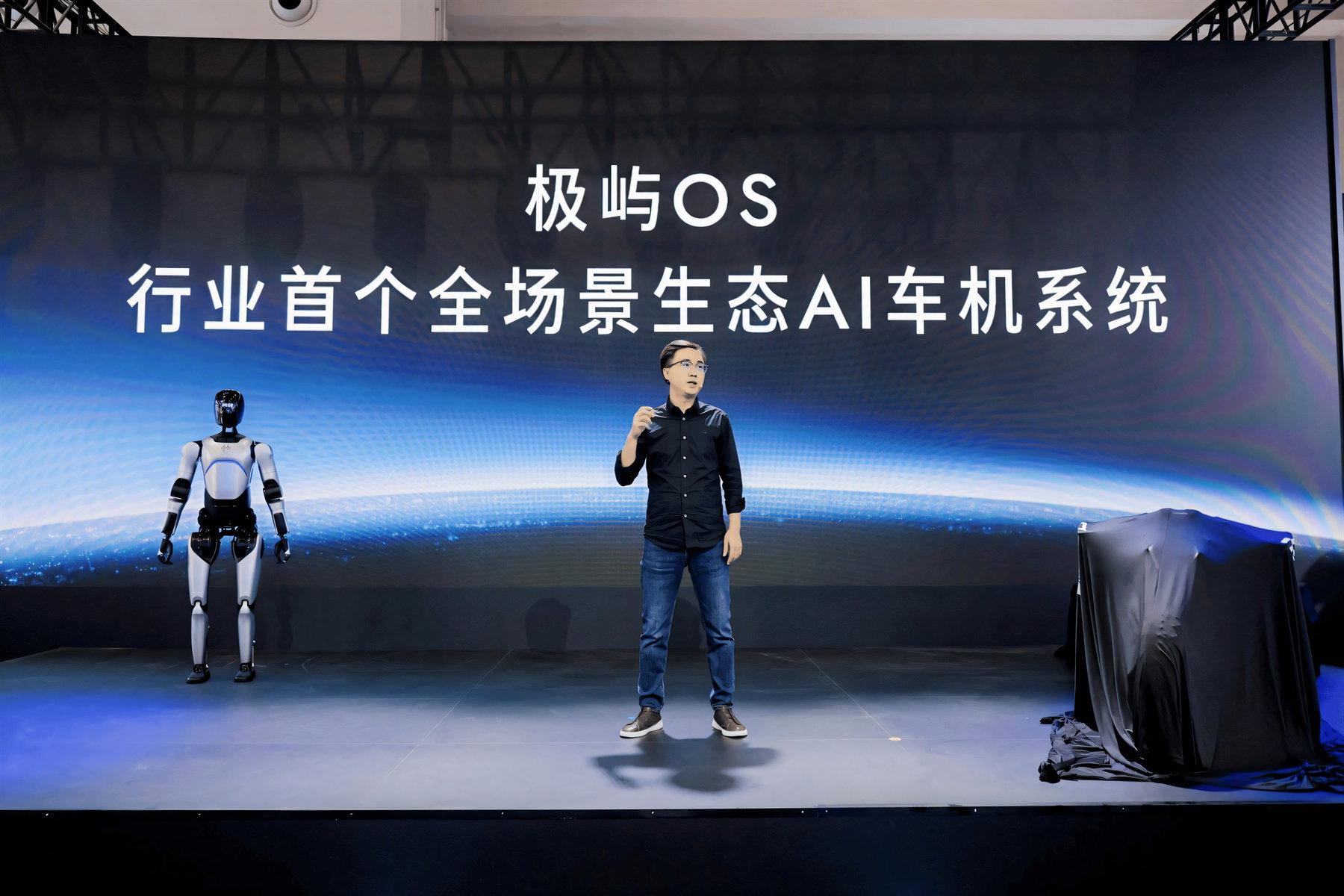
The CU-X is the first motorcycle on the Jiyu Smart Mobility platform, Jiyu Zhixing in Chinese. According to Voge, it is the industry’s first end-to-end technology platform for intelligent two-wheelers. It is set to become the common technical basis for all of the brand’s models.
The platform consists of two parts. Jizhi handles communication between rider and motorcycle. This part uses the Chinese Beidou satellite navigation system and various sensors to warn of poor road conditions and risks. It also connects to smartphones and smartwatches and is meant to derive suggestions for the ride from this data.
Jixing translates the platform’s commands into the behaviour of the motorcycle. This includes the hybrid drive, active suspension, stability control and a system that can adjust the vehicle’s attitude. According to Voge, some functions have already been implemented. The brand has not said which ones they are or in which models they can be found. It is also unclear which systems already work on the CU-X itself.
Around the presentation, Voge announced further steps. Parent company Loncin has entered into a strategic partnership with Shanghai-based company Zhiyuan. The firm specialises in embodied artificial intelligence, i.e. AI in robots and machines. Fittingly, Voge demonstrated a riding robot called VOGEBOT. The brand also launched a programme in which users and partner companies are to help develop the platform further.

Will the Voge CU-X go into production?
That is not planned so far. Voge has not announced a production model, and the CU-X is considered a pure concept study.
Some media cite 2027 as a possible launch date, but Voge has not confirmed this. There is also no information on a European launch or on prices. Further information could follow at EICMA in November.
Another plan is more concrete: Voge wants to gradually bring the technology of the Jiyu platform into its production motorcycles. For any specific model, however, the brand would have to announce this separately.
Voge is already represented in the cruiser segment. The CU series includes the CU250, the CU525 and the CU626, currently the model with the largest displacement in the range. Outside China, the brand has so far been better known for adventure bikes such as the DS800X and the DS625X, which are sold in the UK, for example. The CU-X now shows the technical direction in which Voge wants to steer its development.
Frequently asked questions
-
What is the Voge CU-X?
The Voge CU-X is a concept cruiser with a plug-in hybrid drive that Voge presented at CIMA 2026 in Chongqing. It combines a combustion engine with an electric drive and an externally chargeable battery. It is also the first motorcycle on the new Jiyu Smart Mobility platform.
-
How much horsepower does the Voge CU-X have?
There are no official performance figures. According to reports, the system output from one combustion engine and two electric motors is said to exceed 100 hp (around 74 kW). Voge has not confirmed this figure so far and has not stated a displacement either.
-
When will the Voge CU-X go on sale?
No market launch has been announced, and the CU-X is considered a pure concept study. Some media cite 2027 as a possible date, but there is no confirmation from Voge. Further details could follow at EICMA in November.
-
What is Voge’s Jiyu platform?
Jiyu Smart Mobility is a new technology platform from Voge designed to link the powertrain, chassis and assistance systems. The Jizhi part uses satellite positioning and sensors to warn of hazards and connects to smartphones and smartwatches. The Jixing part controls the hybrid drive, active suspension and stability control, among other things.