- Bajaj has poured around 800 million euros (roughly 912 million US dollars) into rescuing KTM since 2025
- In the April to June 2026 quarter, KTM returned to EBITDA break-even after several loss-making quarters
- In the first half of 2026 the group sold 147,572 motorcycles, an increase of 81 percent
A good year and a half ago, KTM was on the brink. Restructuring proceedings, a production halt, plant closures and a mountain of unsold motorcycles sitting with dealers and importers defined the situation in Mattighofen. Today the news out of Upper Austria sounds different. Sales are climbing, revenue almost doubled in the first half of the year, and operationally the company is back to breaking even. It is precisely at this point that the new owner has made a statement that is being noted carefully in Austria: Bajaj would be willing to bring another partner on board.
Why is Bajaj open to a strategic partner at KTM?
Bajaj sees its own role primarily as providing capital and improving the cost structure. An additional partner would only be an option if it supports the long-term direction.
Rakesh Sharma, Joint Managing Director at Bajaj Auto, set out the framework when the quarterly figures were presented in July 2026. He said KTM has to be run independently by its new management, and that Bajaj has provided liquidity, overseen the leadership change and expanded sourcing from lower-cost locations. After that, in his words, the company has to run on its own.
Asked whether a financial or industrial partner might come in, Sharma replied: “The option remains open, but we are not actively searching for someone to participate in KTM.”
One addition he made elsewhere matters: there are no plans to fold KTM into Bajaj Auto. The brand is to continue as an independent company.
How much money has Bajaj put into rescuing KTM?
Around 800 million euros in total (roughly 912 million US dollars). The money came in two stages and ultimately handed Bajaj the majority.
In 2025, Bajaj first provided 450 million euros (roughly 513 million US dollars) as a loan. That secured day-to-day operations, kicked off the restructuring and financed the court-approved proceedings. A further 350 million euros (roughly 399 million US dollars) followed. In November 2025, Bajaj raised its stake in the BAIH AG holding company from 49.9 to 100 percent, making it the controlling owner. In KTM itself, the group today holds 74.9 percent.
Early in 2026 came a step that gets lost in many reports: KTM refinanced with a 550 million euro loan (roughly 627 million US dollars) from an international banking consortium and repaid the original 450 million loan from Bajaj Auto International Holdings BV. Financially, KTM is therefore far less dependent on its own parent group.
How is KTM doing financially after the restructuring?
The figures point upwards, though from a very low starting point. The previous year was shaped by insolvency proceedings and production stoppages.
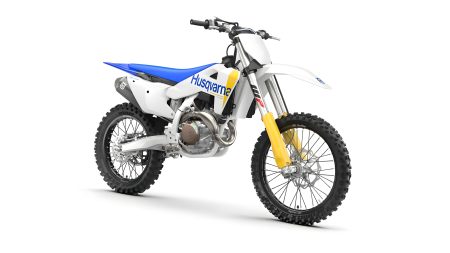
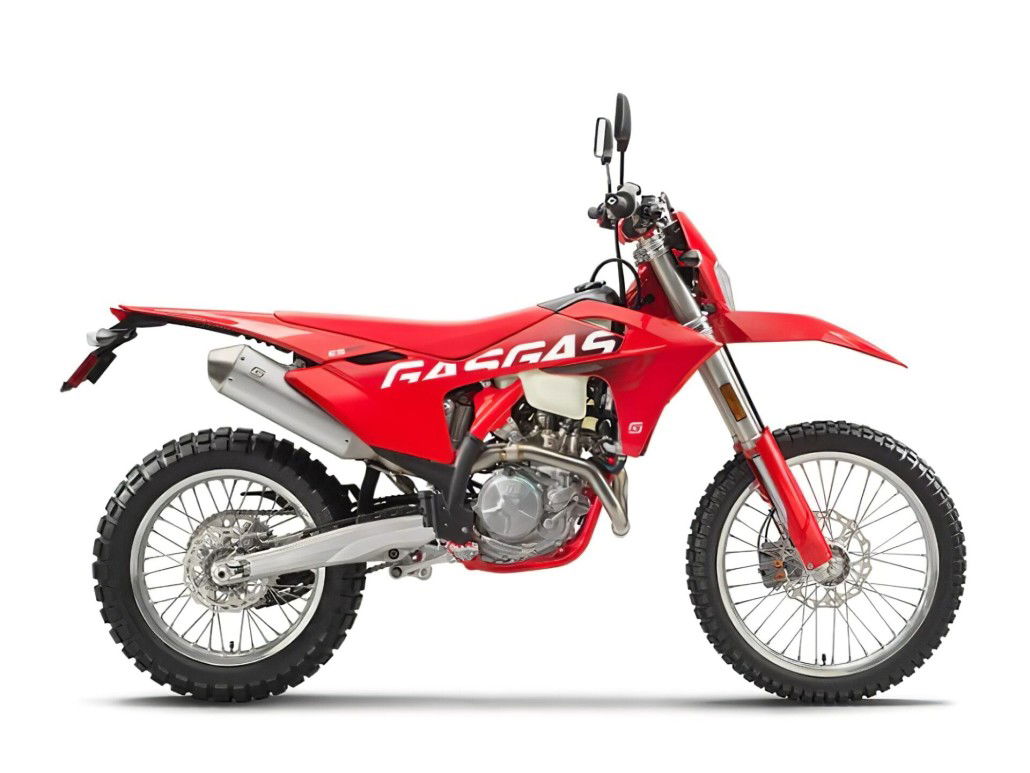
In the first quarter of 2026, the group sold 40,332 motorcycles worldwide across the KTM, Husqvarna and GASGAS brands, an increase of more than 125 percent year on year. Revenue in the motorcycle business rose by more than 150 percent to around 272 million euros (roughly 310 million US dollars). Inventories were also cut sharply. According to the company, dealer stocks at the end of the quarter were almost 49,000 motorcycles below the prior-year level.
The second quarter continued the trend. Outside India, the group sold 48,672 motorcycles, up 71 percent. Revenue in the motorcycle division climbed to 370 million euros (roughly 422 million US dollars) after 330 million euros (roughly 376 million US dollars) in the first quarter. Across the full first half, sales added up to 147,572 motorcycles compared with 81,336 in the same period a year earlier, with revenue at around 700 million euros (roughly 798 million US dollars) after 373 million euros (roughly 425 million US dollars).
More telling than the percentages is the earnings picture. For the second quarter the company expects an EBITDA margin of about 8.7 percent, and around 5.4 percent for the half year. The EBITDA margin shows how much of revenue is left before interest, taxes, depreciation and amortisation. A year earlier that figure was negative once restructuring gains are stripped out. Sharma says KTM reached break-even again between April and June after several loss-making quarters. All the figures quoted are preliminary.
What is changing in KTM procurement?
Bajaj is tying KTM sourcing more closely into its own global purchasing network. The focus is on India, because costs are lower there.
That is the core of the current strategy and the point Sharma explicitly confirmed in July 2026. It concerns parts, components and suppliers, not the final assembly of complete models. Lower purchasing prices improve the margin without any plants having to move. That is exactly where Bajaj also sees the appeal for a possible investor.
The groundwork has been in place for a long time. Bajaj has been building small-displacement KTM models at the Chakan plant near Pune since 2011, including the 125, 200 and 390 series. From there, motorcycles go to more than 60 markets, many of them in Europe. In January 2023 the one-millionth KTM, a 390 Adventure, left the plant. According to Sharma, Bajaj has now built more than 1.4 million motorcycles for KTM. The latest-generation 390 Enduro R and 390 Adventure are also made there.
So this division of labour is nothing new. What is new is only that it is to be used more systematically in purchasing.
What does this mean for the plants in Austria?
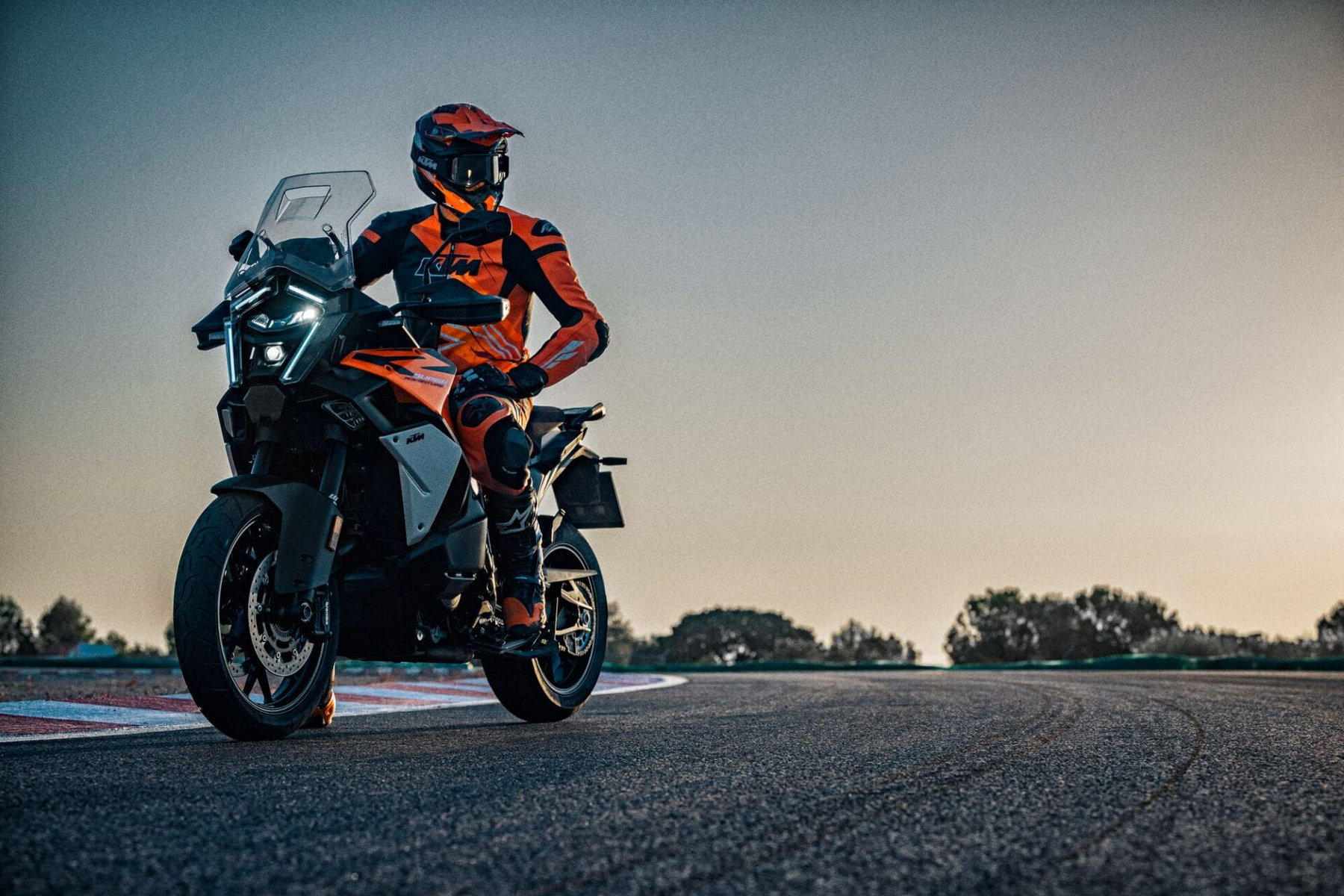
As things stand, nothing. No relocation of production has been announced or decided.
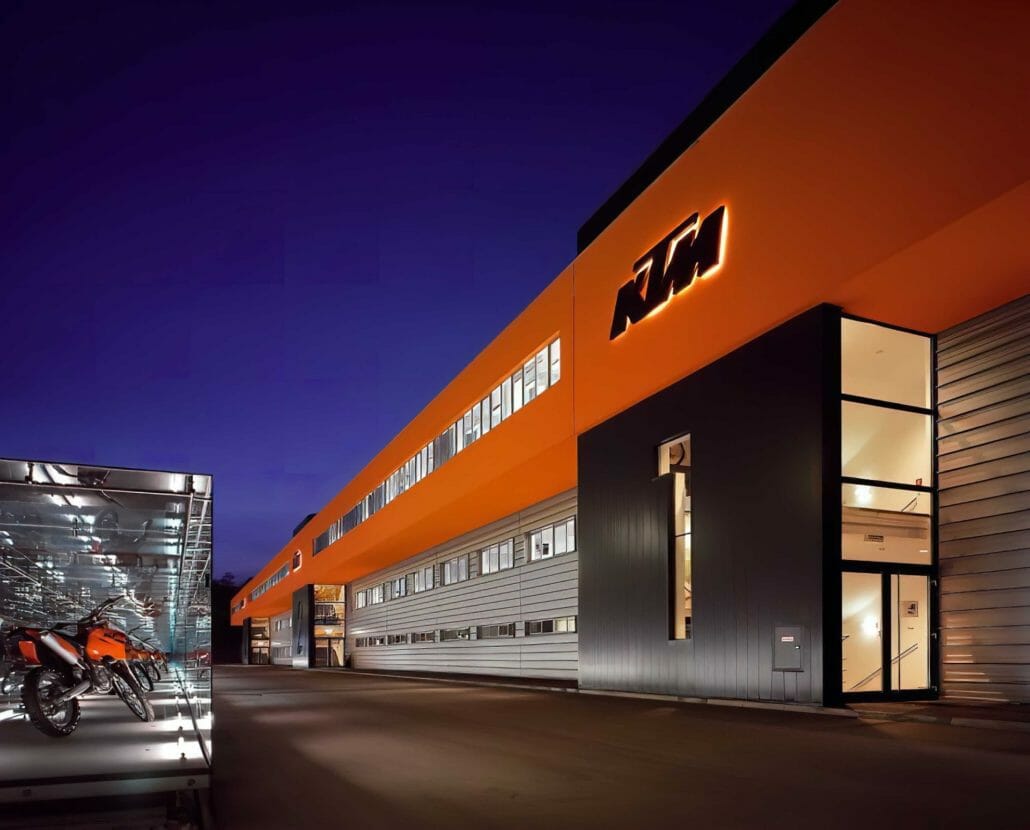
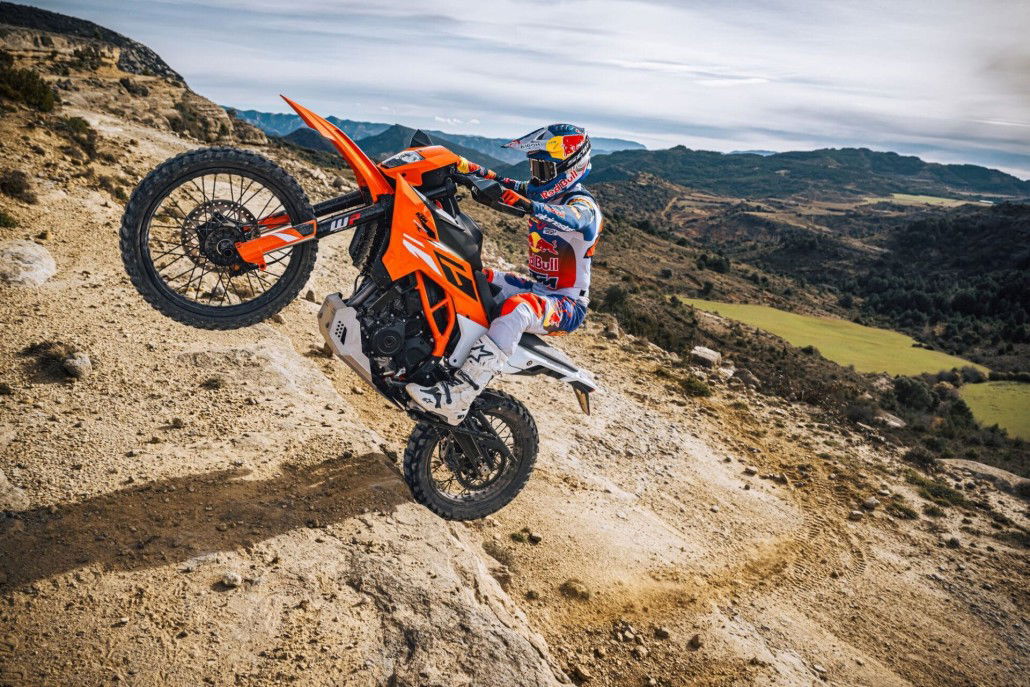
Production in Mattighofen and Munderfing has been running again since the end of July 2025, initially on a five-day schedule and currently on a single shift. Models such as the 990 RCR and the 1390 Adventure reached the market there roughly a year late as model year 2026.
The topic was debated nonetheless, on the basis of two older statements. In autumn 2025, Bajaj Auto boss Rajiv Bajaj told Indian broadcaster CNBC TV18: “European manufacturing is dead.” He pointed to Triumph, which moved production to Thailand around 15 years ago and now also builds in India. KTM boss Gottfried Neumeister immediately contradicted him at the time: “There are currently no plans to relocate production.” In January 2026, Sharma then said further KTM models could be built in India if it made sense on cost grounds. He named neither specific models nor a timetable.
Nothing has followed on that point since. The public statements from July 2026 deal exclusively with procurement. A move of final assembly out of Upper Austria is therefore not currently on the table.
What does the Bajaj strategy mean for the MotoGP programme?
Nothing. KTM Racing is a separate company, and the key contracts have already been signed.
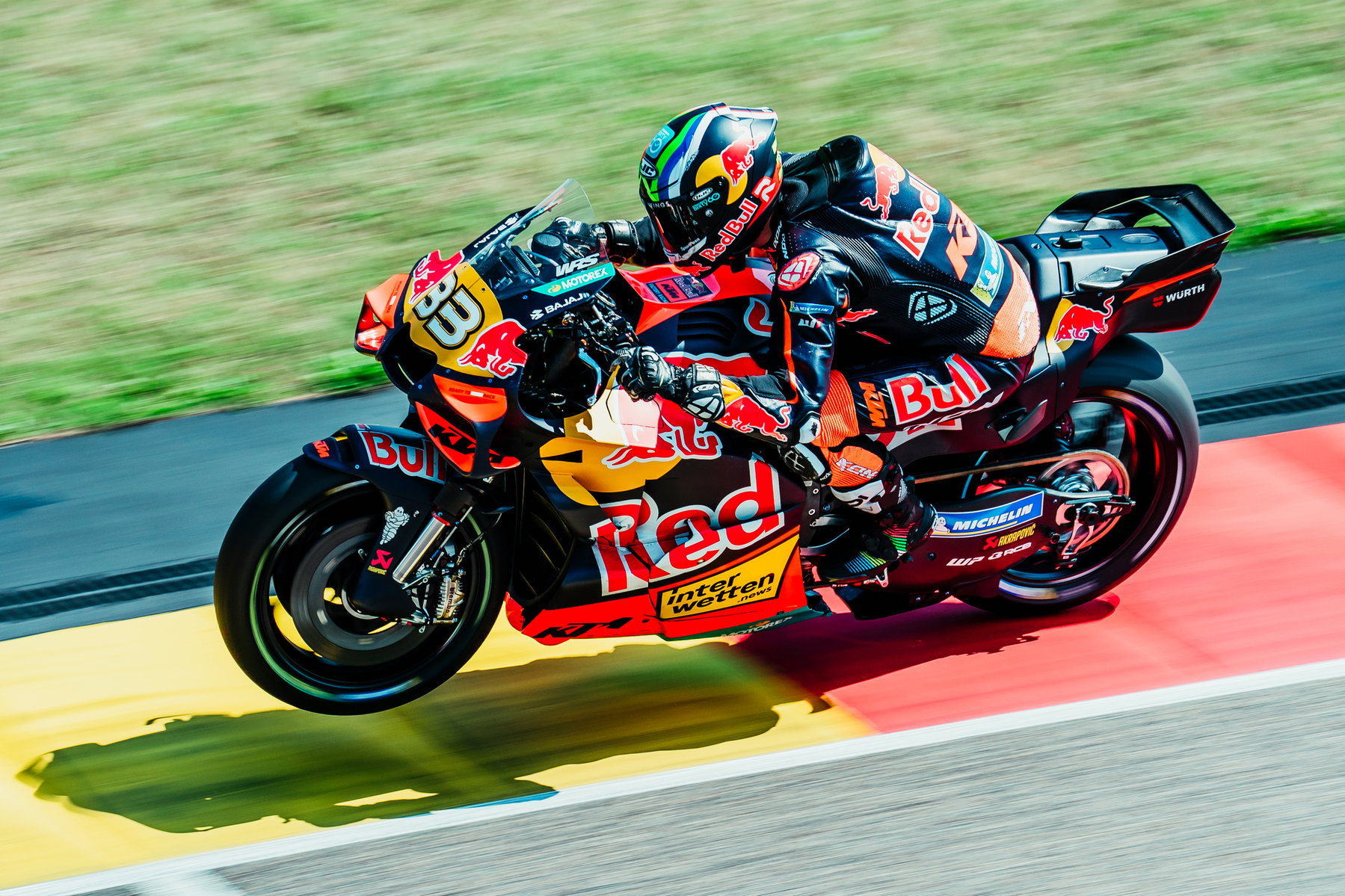
KTM has committed to MotoGP Sports Entertainment Group, the former rights holder Dorna, for at least another five years. At the German Grand Prix at the Sachsenring, the extension with Red Bull followed. The contract is described as multi-year and applies from 2027, meaning from the start of the new era with 850 cubic centimetres and Pirelli tyres. That keeps KTM the only manufacturer in the premier class with Red Bull as title sponsor.
Motorsport director Pit Beirer framed the partnership like this: “Red Bull and KTM belong together. It has been a great partnership for such a long time, and it goes far beyond the colours of the bikes.”
For the ongoing 2026 season with Brad Binder and Pedro Acosta in the factory team, the corporate issues change nothing. The Ready to Race slogan and the premier-class presence remain closely tied to the Austrian location, and both commitments extend beyond the current restructuring phase.
The next date is already fixed
Bajaj Mobility AG, the former Pierer Mobility AG, plans to present the final second-quarter figures on 27 August 2026. Only then will there be reliable data below the EBITDA line, meaning profit, cash flow, debt and inventories. Until then, all the figures quoted remain preliminary.
What can already be stated: Bajaj has stabilised KTM, freed the balance sheet from its own loan and got sales moving again. Whether that turns into a stake for a third party is open. The rescue after the 2025 restructuring year is complete; the phase in which the new structure has to prove itself is only just beginning.
Frequently Asked Questions
-
What percentage of KTM does Bajaj own?
Bajaj holds 74.9 percent of KTM. The majority came about after the Indian group raised its stake in the BAIH AG holding company from 49.9 to 100 percent in November 2025.
-
Is Bajaj actively looking for an investor for KTM?
No. Joint Managing Director Rakesh Sharma has confirmed that no search is under way. The option remains open, but any partner would have to support the long-term strategy for KTM.
-
What is changing at Bajaj KTM in procurement?
KTM sourcing is to be tied more closely into the global purchasing network of Bajaj, with a focus on India. This concerns parts and suppliers, not final assembly. Sharma explicitly confirmed this point in July 2026.
-
Will KTM production move to India?
No relocation has been announced. Small-displacement models have been built at the Chakan plant near Pune since 2011, and production in Mattighofen and Munderfing continues. KTM boss Gottfried Neumeister said in autumn 2025 that there were no plans to move production.
-
How many motorcycles did KTM sell in 2026?
In the first half of 2026 the group sold 147,572 motorcycles worldwide across the KTM, Husqvarna and GASGAS brands. That is 81 percent more than in the first half of 2025, when the figure was 81,336 units.
-
Will KTM stay in MotoGP?
Yes. KTM has committed to MotoGP Sports Entertainment Group for at least another five years. In addition, the contract with title sponsor Red Bull has been extended for the era starting in 2027.