- The 20,000 rpm rev limit is now explicitly written into the MotoGP regulations with immediate effect
- Practice starts at the pit lane exit will be banned at all circuits in future
- 100 percent non-fossil fuel will not arrive in Moto2 and Moto3 until 2028
Shortly before the end of the 2026 season, the most important regulatory body of the Grand Prix World Championship has published new decisions. The FIM announced them on 23 September 2026. There are no major upheavals, and MotoGP itself speaks of minor adjustments for 2027 and beyond. Even so, the decisions affect three classes at once: MotoGP, Moto2 and Moto3. And they come at a time when the premier class is preparing for its new regulations. From next season, MotoGP bikes will run with 850 cc instead of 1000 cc.
What did the Grand Prix Commission decide in September 2026?
The Grand Prix Commission approved four points: a rev limit for MotoGP written into the rules, a ban on practice starts from the pit lane, new rules for concessions in Moto2 and a later introduction of non-fossil fuel in Moto2 and Moto3. The Commission is the body that decides on the regulations of the Grand Prix World Championship.
It includes representatives of all the key parties. Paul Duparc represents the governing body FIM, Mike Webb the teams’ association IRTA and Biense Bierma the manufacturers’ association MSMA. Carmelo Ezpeleta represents the rights holder MotoGP Sports Entertainment Group, MotoGP SEG for short, and chairs the Commission. Also present at the meeting were FIM President Jorge Viegas, Carlos Ezpeleta of MotoGP SEG, Technical Director Corrado Cecchinelli, FIM CCR Director Paul King and Dominique Hebrard as Technical Director of the FIM CTI.
Why is the 20,000 rpm rev limit now in the MotoGP regulations?
The limit already exists; the only new thing is that it is now also written down in the rulebook. The 20,000 rpm limit is already stored in the software of the standard control unit. This control unit, known as the ECU, is the same for all teams and manages the bikes’ electronics.
According to the FIM, the limit is now also being added to the MotoGP class regulations for greater clarity. The change applies with immediate effect. For the wording, the Commission follows the Moto3 regulations. There it is stipulated that the official ECU controls the maximum engine speed under acceleration. The target value is clearly stated: “The RPM Limiter strategy target is set at 13,500 rpm”. MotoGP thus gets a rule with the same structure, only with 20,000 rpm as the upper limit.
What does the rev limit have to do with the 850 cc engines from 2027?
From 2027, displacement in MotoGP drops from 1000 to 850 cc, and at the same time the bore gets smaller. The cylinder diameter shrinks from 81 to 75 millimetres. This smaller bore is intended to prevent extremely high engine speeds.
The 850 cc engines are the core of the regulations with which MotoGP enters the 2027 season. With the rev limit now written into the rules, this new engine generation also has a clear limit in the rulebook that exists not only in the software but also in black and white.
When will practice starts from the pit lane be banned?
The ban applies to all circuits and, according to the FIM, is planned for the 2027 season. However, the same document also states that it applies with immediate effect. The official announcement is therefore not entirely clear on this point; MotoGP itself names 2027 as the date.
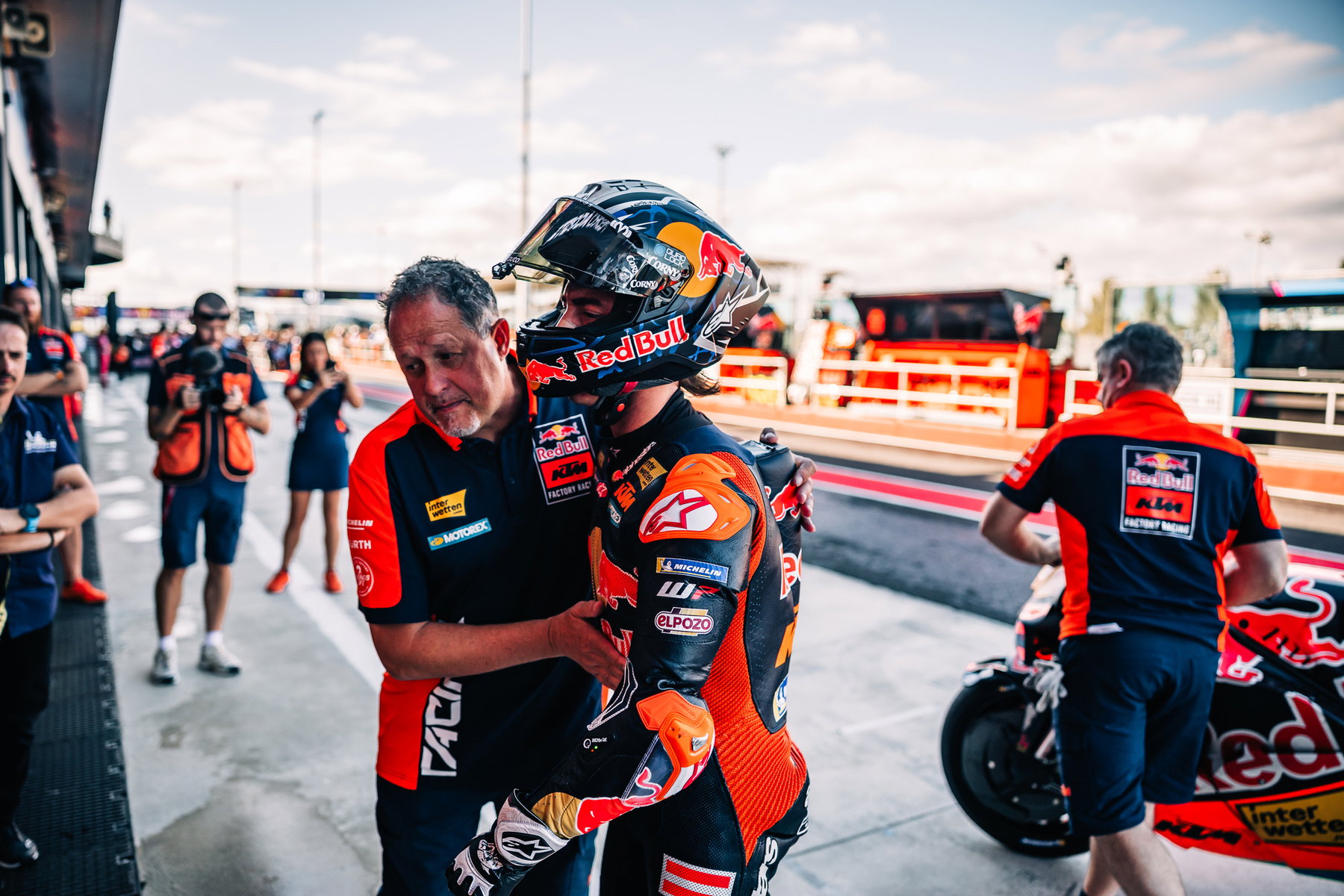
Practice starts are test starts that riders use to train pulling away from a standstill. Until now, such starts at the pit lane exit were permitted at just over 30 percent of the circuits on the calendar. By now, however, all circuits have dedicated zones for practice starts. In addition, MotoGP gets its own session purely for practice starts at every Grand Prix.
That is why the option at the pit exit is now being dropped everywhere. At most circuits this was already the case. What is new is that the rule is now laid down uniformly for the entire calendar.
What changes for Moto2 concessions in 2027?
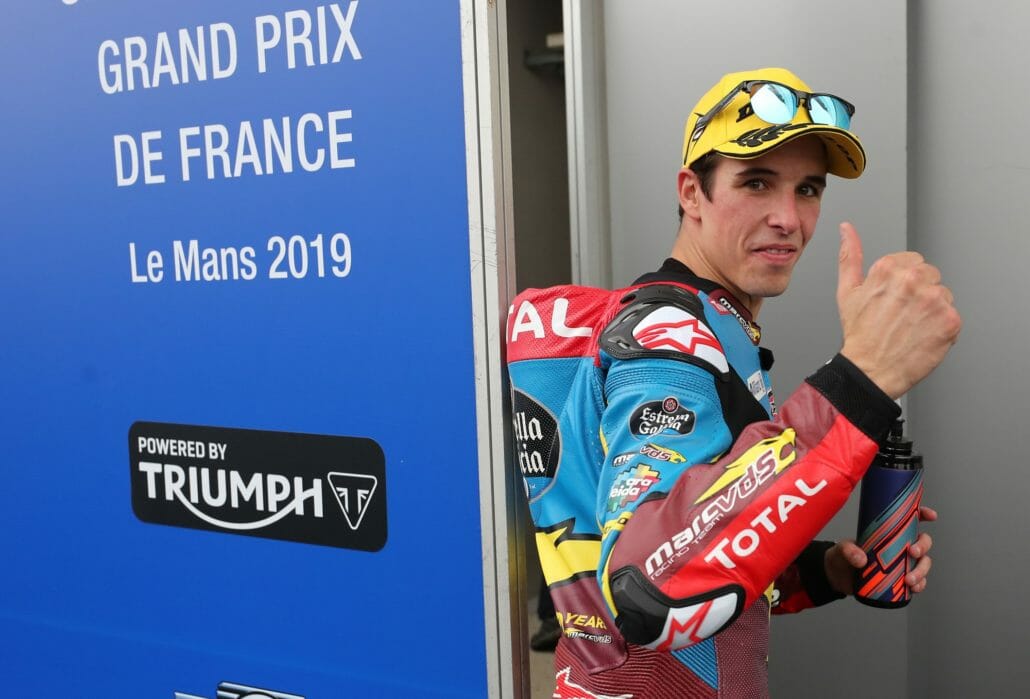
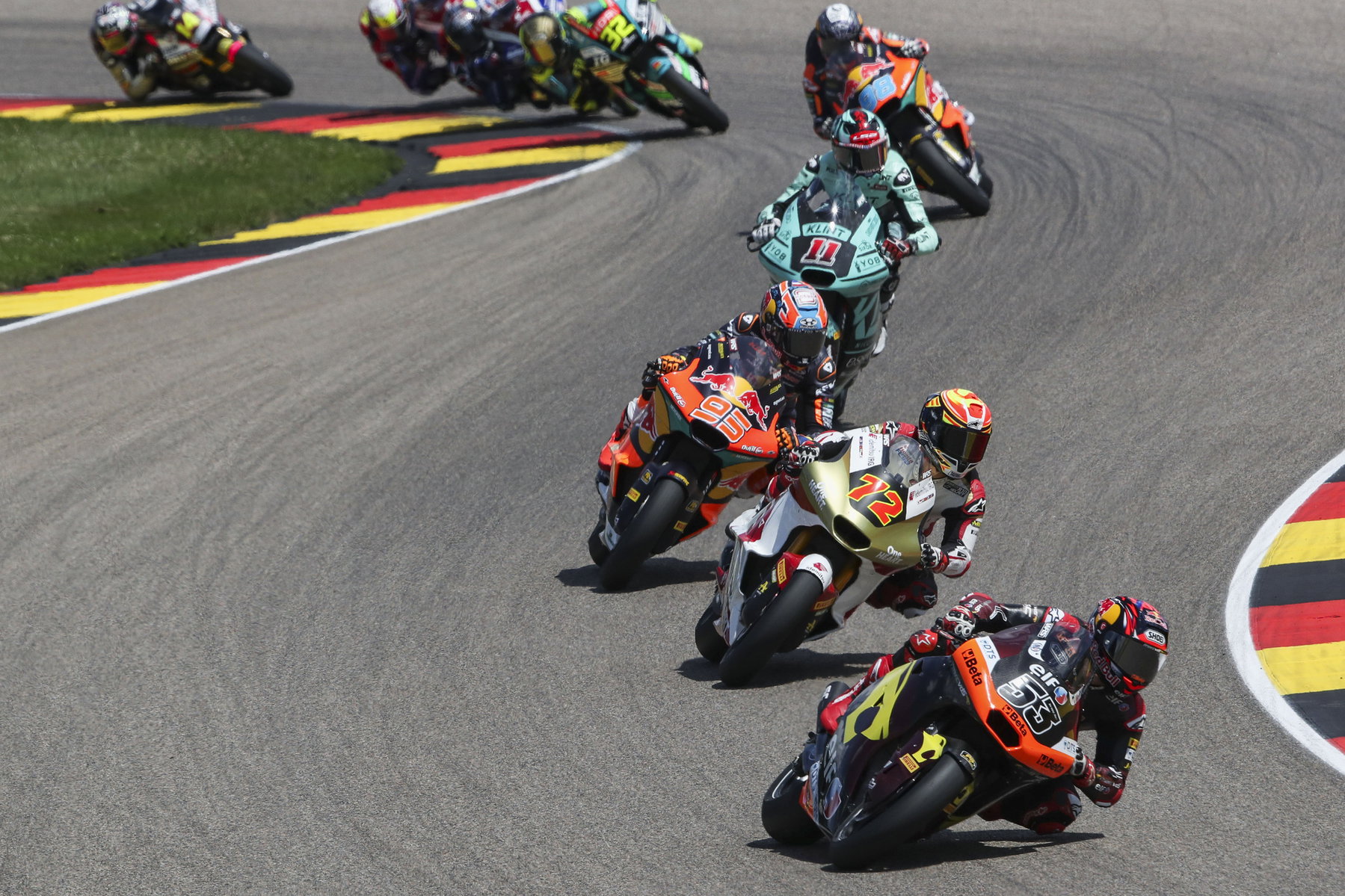
All Moto2 teams will start the 2027 season without concessions. The reason is the new engine that official Moto2 supplier Triumph is bringing for 2027. Because the engine is changing, the chassis manufacturers have to develop new frames.
Concessions are based on a ranking. This ranking will be reset to zero at the start of the 2027 season and reassessed for the first time at mid-season. Because the new engine and new chassis leave little time for testing before the season, chassis manufacturers may make one update during the season. It may concern either the frame or the swingarm.
Aerodynamics, on the other hand, are subject to a freeze. Fairing parts will be frozen at the level of the 2026 designs. In addition, the number of older variants that may still be used will be limited. This is intended to keep costs under control.
Why is non-fossil fuel not coming to Moto2 and Moto3 until 2028?
The switch to fuel from 100 percent non-fossil sources has been postponed to the 2028 season in both classes. Non-fossil means that the fuel is not derived from crude oil.
According to the FIM, the postponement is intended to ensure continuity. Both classes are facing major technical changes anyway: Moto2 gets the new Triumph engine in 2027, and Moto3 follows with new bikes in 2028. The switch to the new fuel is not meant to coincide with the new Moto2 engine, but to come a year later, at the same time as the new Moto3 bikes.
Frequently Asked Questions
-
How high is the rev limit in MotoGP?
The rev limit in MotoGP is 20,000 revolutions per minute. It is stored in the software of the standard control unit and is now also explicitly written into the MotoGP class regulations. For comparison: in Moto3 the target value is 13,500 rpm.
-
From when does the MotoGP rev limit apply in the regulations?
The MotoGP rev limit is in the regulations with immediate effect. The Grand Prix Commission announced this on 23 September 2026. In practice nothing changes for the teams, because the limit already applied via the ECU software.
-
Why are practice starts from the pit lane banned?
Practice starts from the pit lane are banned because all circuits now have dedicated zones for them. In addition, MotoGP has its own session for practice starts at every Grand Prix. Until now, starts at the pit exit were only permitted at just over 30 percent of the circuits.
-
When will Moto2 run on non-fossil fuel?
Moto2 will run on fuel from 100 percent non-fossil sources from the 2028 season, just like Moto3. An earlier start was originally planned. The postponement is intended to bring continuity, because the new Triumph engine arrives in 2027 and the new Moto3 bikes in 2028.