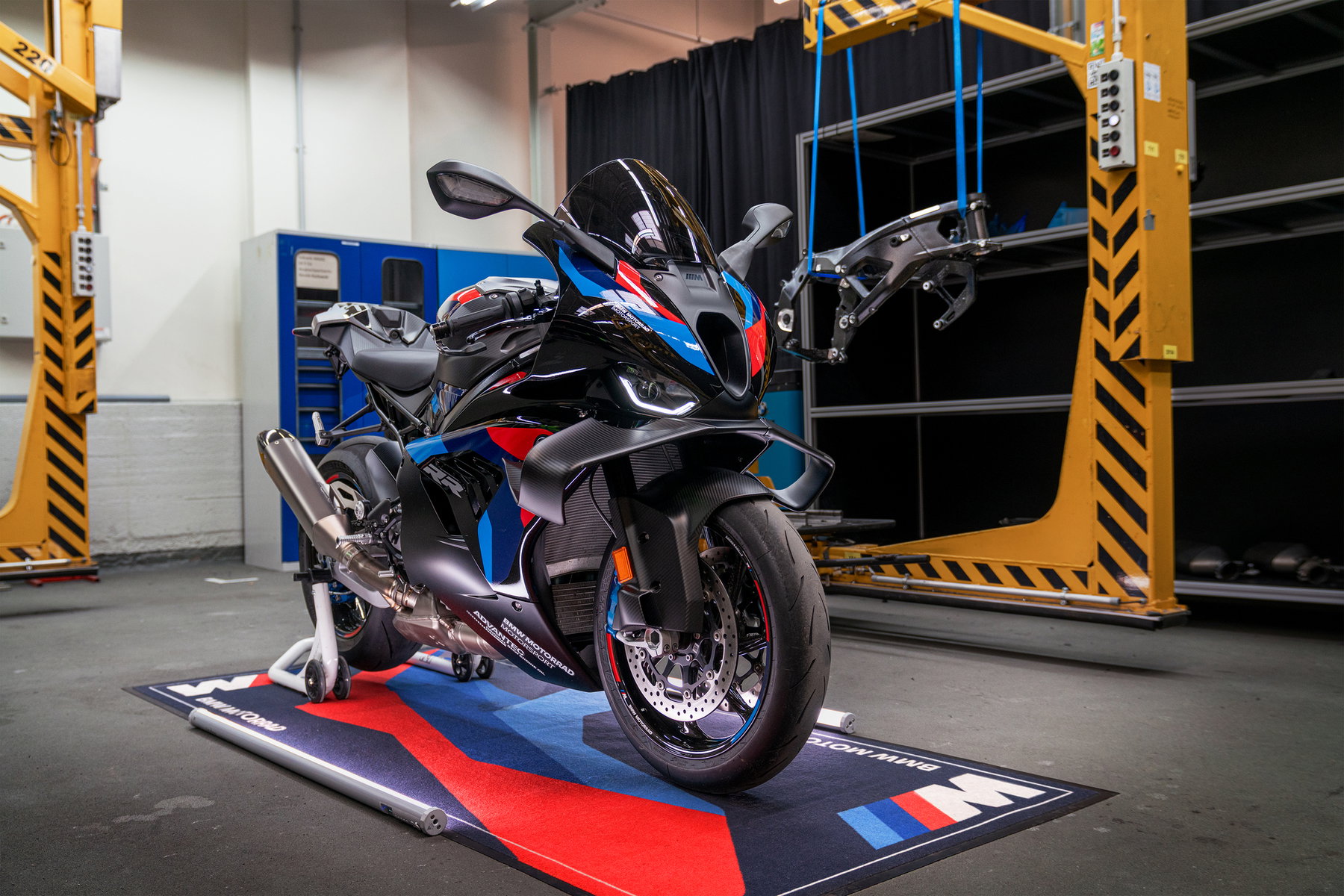
- The environmental agencies EPA and CARB have certified the M 1000 RS independently of one another for 2027
- Same 999 cc inline-four as in the M 1000 RR, with 205 hp (151 kW) and 113 Nm expected
- The documents point to a weight roughly 10 kg (22 lbs) higher and a new fuel tank
Anyone wanting to sell a motorcycle in the USA has to register it beforehand with the environmental agency EPA. For California, a second approval by the California Air Resources Board, CARB for short, is required on top. These papers are public and often surface months before an official presentation. And that is exactly where a model name has recently appeared that does not yet exist at BMW: M 1000 RS. It was certified together with the M 1000 RR for the 2027 model year.
What is behind the new BMW M 1000 RS?
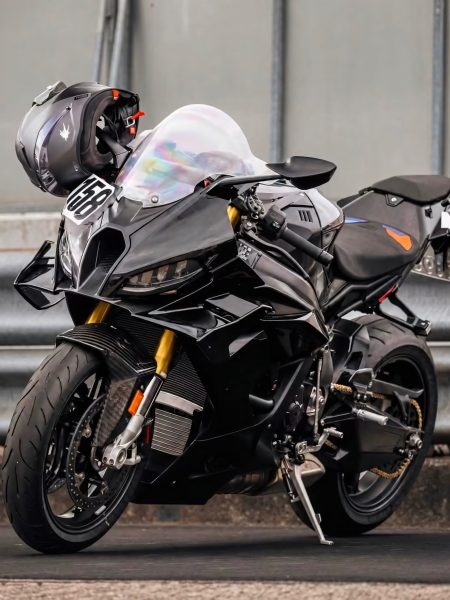
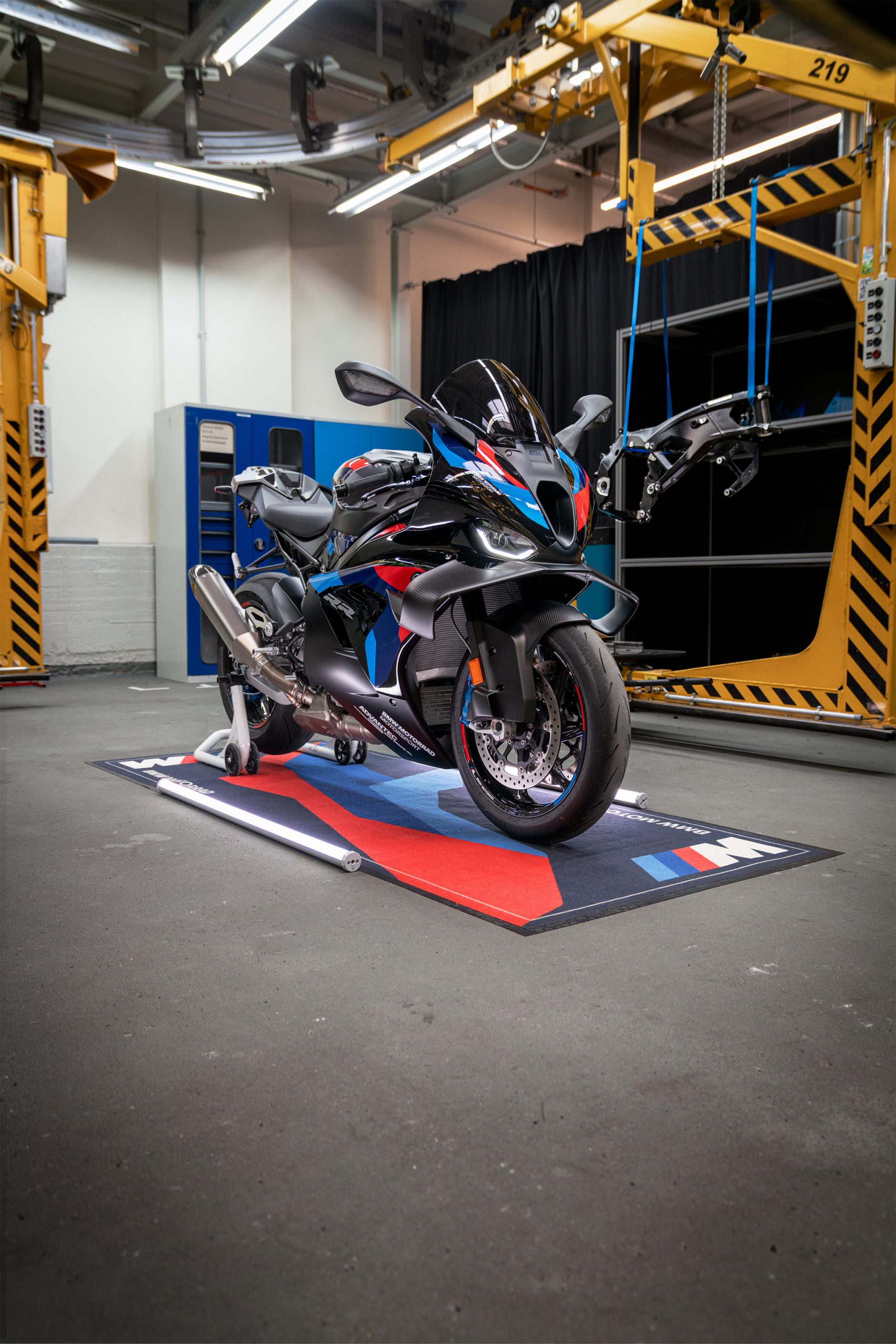
The M 1000 RS is a previously unknown model from the M range that uses the same 999 cc inline-four as the M 1000 RR. Because both models appear in the same certification documents, the shared engine is regarded as confirmed.
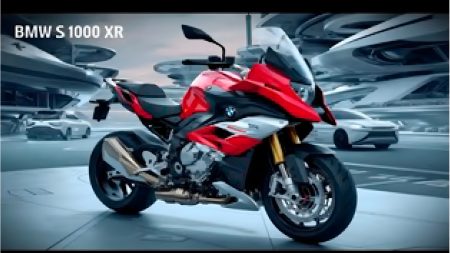
There are no official statements from BMW so far. Images, prices and a date are equally missing. Everything currently known about its positioning comes from the figures in the regulatory papers and from the model name itself. What stands out is that the M range has always been derived from existing production models. The M 1000 RR is based on the S 1000 RR, the M 1000 R on the S 1000 R, the M 1000 XR on the S 1000 XR. An S 1000 RS as a basis does not exist. Whether the M 1000 RS will therefore stand alone, or whether an S variant will follow later, is open.
What output can be expected from the M 1000 RS?
The emissions figures in the CARB certification match those of the 2026 M 1000 RR. From this it is inferred that the M 1000 RS also produces 205 hp (151 kW) at 13,000 rpm and 113 Nm (83 lb-ft) at 11,100 rpm.
That is not confirmed. Strictly speaking, emissions data says nothing about peak output; it only shows that the engine is treated as technically identical. The M 1000 RR’s engine differs significantly from the version in the S 1000 RR, the M 1000 XR and the M 1000 R. It has titanium valves, different intake and exhaust ports, revised combustion chambers and larger throttle bodies. These components reduce the weight of the moving masses and improve gas exchange, meaning the flow of fresh charge in and exhaust gas out.
What do the emissions figures reveal about the fuel tank?
One detail in the documents concerns evaporative emissions, meaning the fuel vapours that can escape from the tank into the surrounding air. This value drops from 1.1 grams to 0.2 grams.
A reduction of that scale can hardly be achieved through fine-tuning. It points to a new tank together with a modified venting system. Because the M 1000 RR and the M 1000 RS show the same value, both models are likely to share the tank. The engine’s actual exhaust figures, by contrast, remain unchanged. The engine code also changes only according to the usual scheme: TBMXC01.0MRR for 2026 becomes VBMXC01.0MRR for 2027. The first letter stands for the production year, with U omitted because it is too easily confused with V in casting.
How heavy will the M 1000 RS be?
The papers list an equivalent inertial mass of 280 kg (617 lbs) for the M 1000 RS, and 270 kg (595 lbs) for the M 1000 RR. That would make the M 1000 RS roughly 10 kg (22 lbs) heavier.
EIM is not a weight in the usual sense. It describes a calculated value for the test bench that represents the mass of the vehicle together with the rotational inertia of the moving parts, and is rounded to full 10 kg increments. For the M 1000 RR, BMW quotes a kerb weight of 194 kg (428 lbs). The EIM figure therefore sits around 75 kg above that. Applying the same gap to the M 1000 RS would put it at roughly 205 kg (452 lbs) with a full tank. That number is an extrapolation, not a factory figure.
What does the RS designation stand for at BMW?
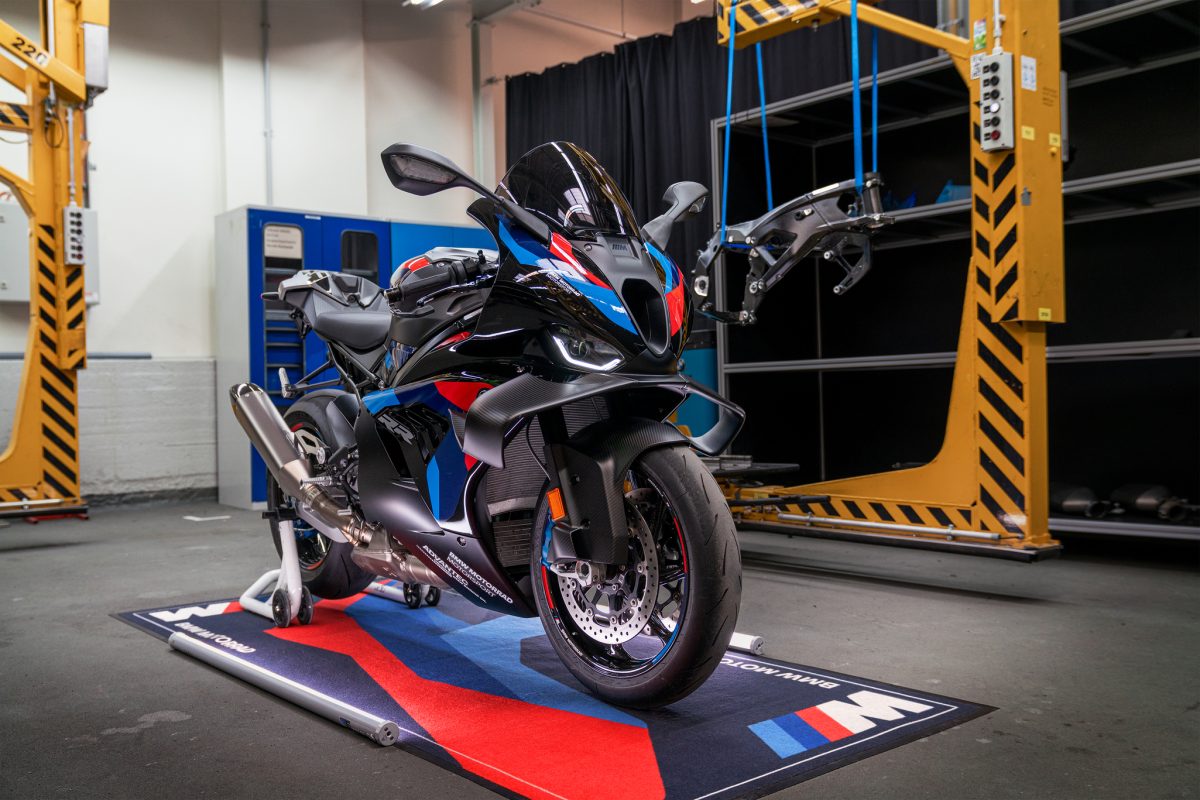
Originally RS stood for Rennsport, meaning racing. Since the R 100 RS of 1976, however, BMW has used the two letters in the sense of Reise und Sport – touring and sport – for motorcycles that are sporty and still cover longer distances.
At present only the R 1300 RS carries this designation. It uses a 1300 cc boxer engine with 145 hp (107 kW) at 7,750 rpm and 149 Nm (110 lb-ft) at 6,500 rpm. There is no M version of it. Should the M 1000 RS arrive as expected, it would be the first RS model in the brand’s history with an inline-four.
Where does the M 1000 RS fit into the BMW range?
There are two readings of its positioning, differing on one key point. One assumes a sports tourer, meaning a touring-capable variant of the M 1000 RR. The model name supports this, as does the higher weight: a subframe intended to carry luggage has to be sturdier, and a more comfortable pillion seat brings additional mass with it.
The other possibility sees the M 1000 RS as a road-focused model slotting in between the M 1000 RR, the S 1000 RR and the M 1000 XR. The M 1000 RR is at its core a homologation model, meaning a production motorcycle built only so that the race version may compete in the Superbike World Championship. A less extreme sister model with the same engine would close that gap. In favour of the tourer reading, in turn, is the fact that BMW still does not offer a factory luggage system for the M 1000 XR. Should the M 1000 RS indeed arrive with the expected 205 hp (151 kW), it would be the most powerful motorcycle in that segment. Both readings remain speculation until the official presentation.
What changes on the M 1000 RR for 2027?
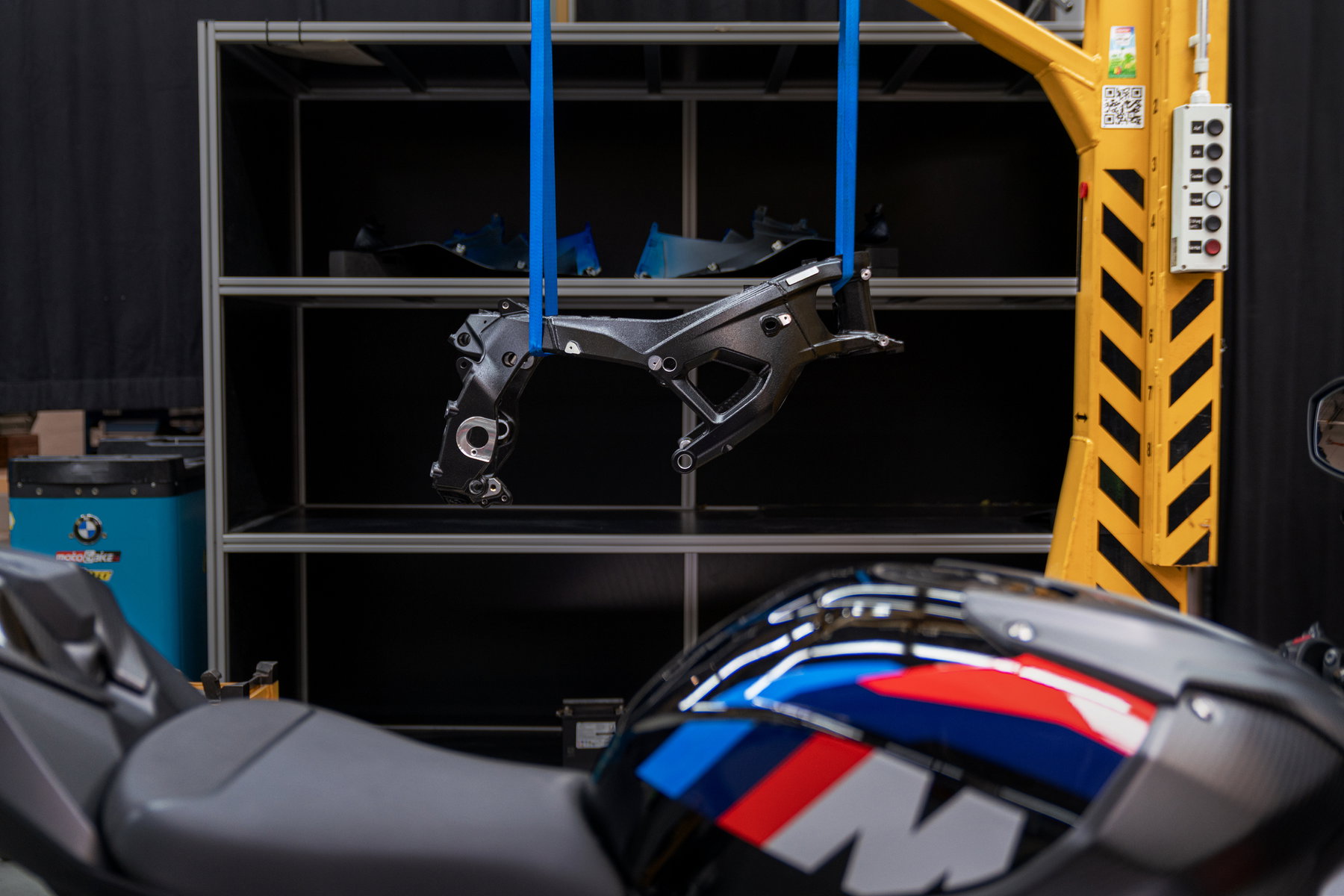
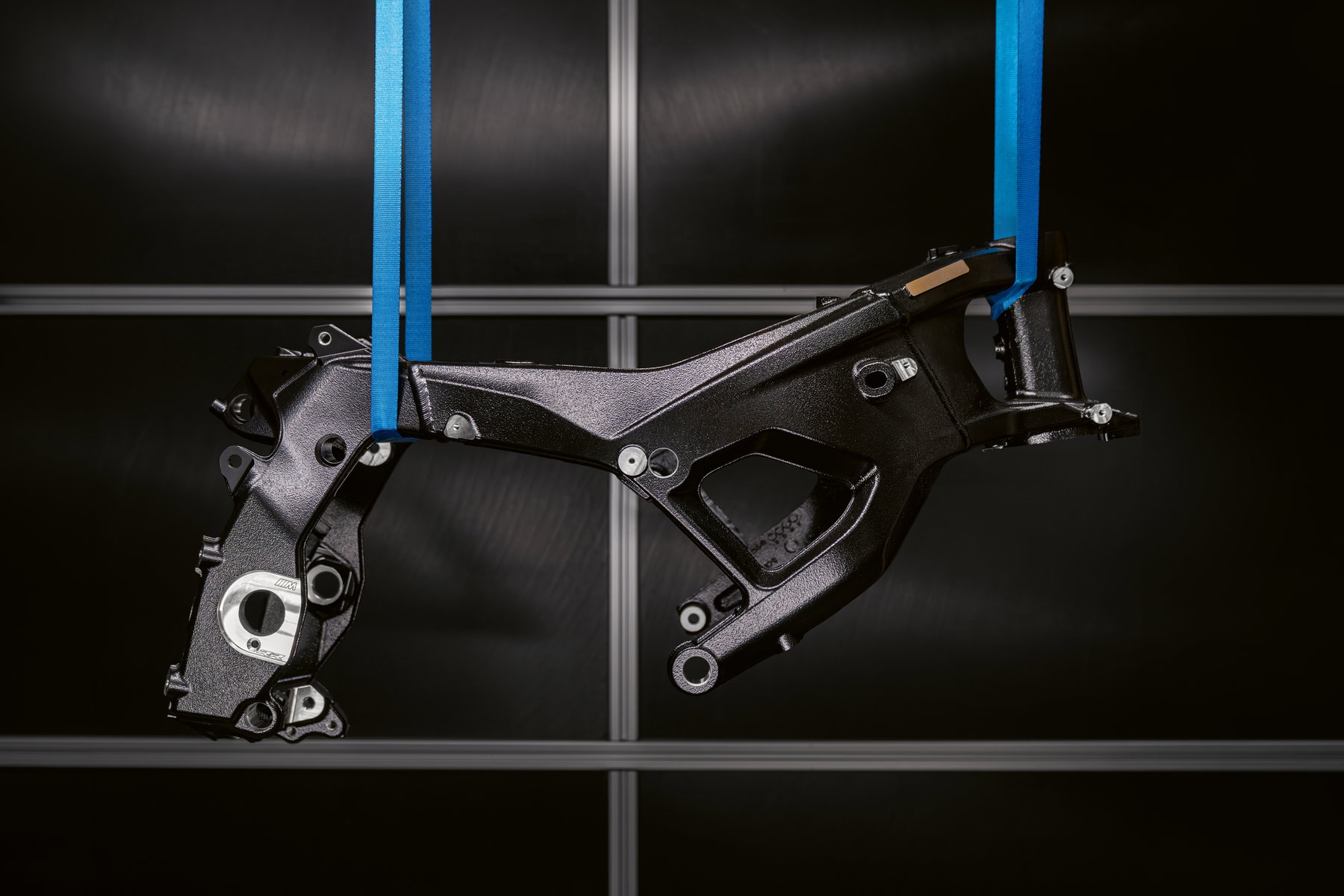
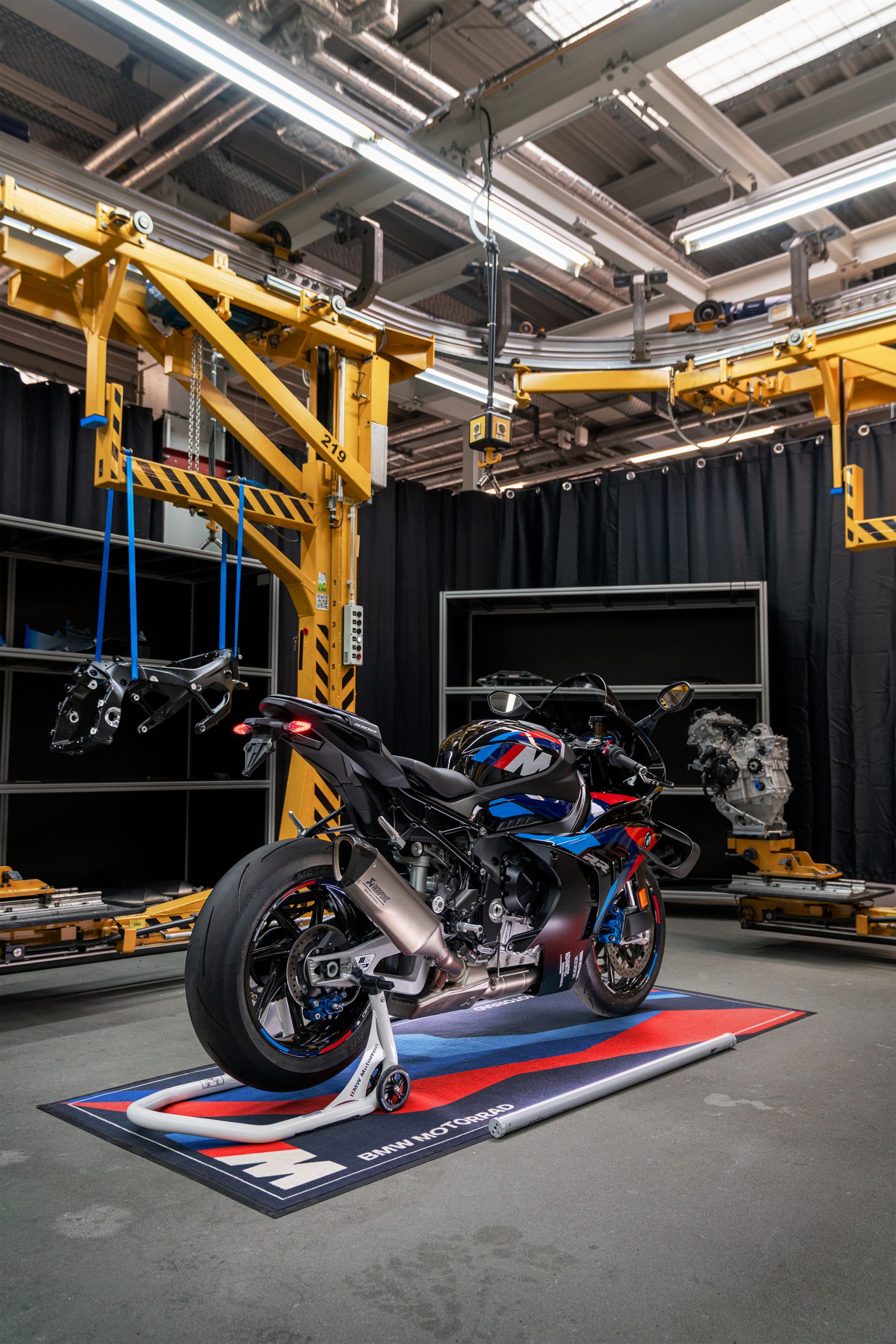
For 2027 the M 1000 RR gets a new frame, which BMW calls the third-generation M Motorsport Frame. It consists of cast and welded aluminium parts and retains the basic layout.
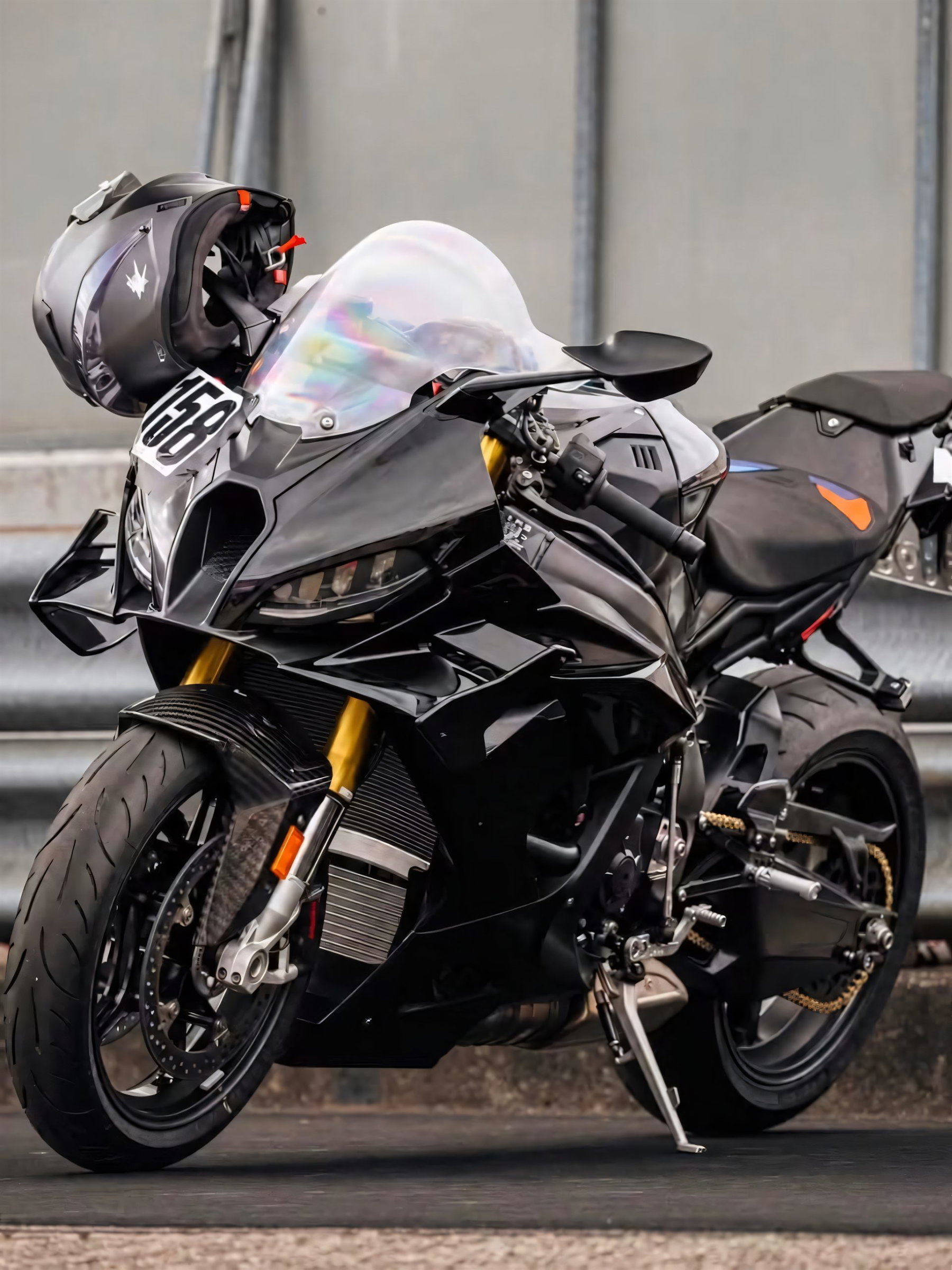
The frame walls are around 30 percent thinner, which saves 1.3 kg (2.9 lbs) and changes the flex behaviour. What is meant by that is how much the frame twists under load. This influences how much feedback a rider gets about tyre grip. The opening above the engine mount is smaller and differently shaped. That does not make the motorcycle lighter: because BMW is switching from M carbon wheels to cheaper and heavier forged alloy rims, the weight is likely to stay close to the previous 183 kg dry and 194 kg (428 lbs) with a full tank. The carbon wheels move into a new M Track Package, joined by the M Endurance chain plus further carbon and machined parts. A cheaper M Track Package II includes everything except the carbon wheels and replaces the previous M Competition Package, which came in at 7,690 pounds (around 8,995 euros / 10,430 US dollars). A price for the 2027 M 1000 RR is still outstanding. The Superbike World Championship price cap of 44,000 euros (around 51,000 US dollars) sets a limit here, however. The current generation has been in the range since 2021 and was revised visually in 2023 with a stronger aerodynamic focus, then adapted to the Euro 5+ standard in 2025, which raised output to 214.6 bhp and thus around 218 hp (160 kW).
When will the BMW M 1000 RS be presented?
An official premiere is expected in autumn 2026, either in October or in November at EICMA in Milan. There is no confirmed date.
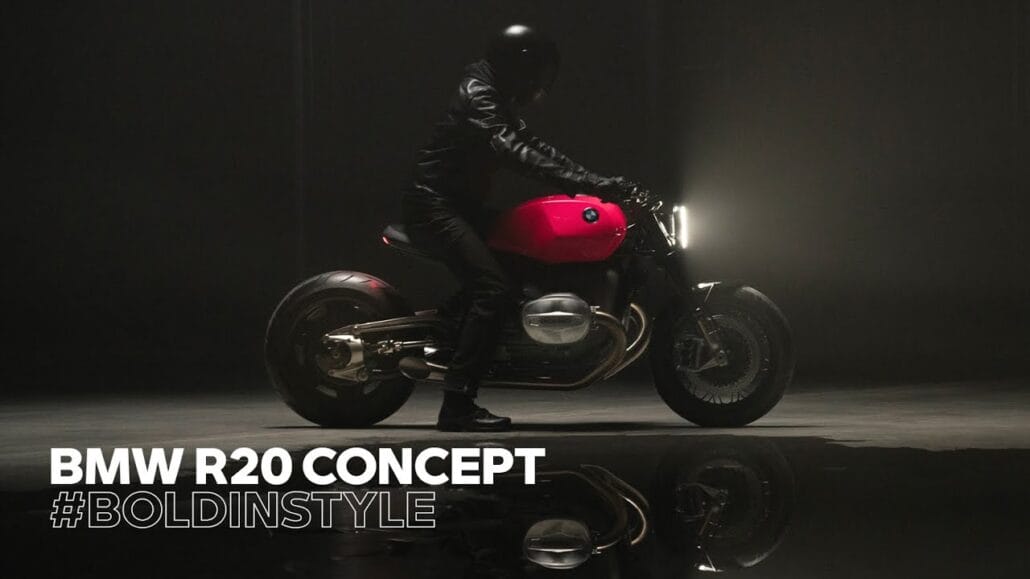
The M 1000 RS is not the only BMW project currently taking shape. Spy shots show a model that is likely to be an M 1300 GS, although that one is expected rather for the 2028 model year. In parallel, BMW is working on the next S 1000 RR, for which a design patent has been filed in India. The 2027 M 1000 RR itself is also still awaiting its full presentation, including styling that is said to take its cues from the Concept RR study. For the 2027 model year, that adds up to one of the broadest model offensives at BMW Motorrad in recent years.
Frequently Asked Questions
-
What is the BMW M 1000 RS?
The BMW M 1000 RS is a model not yet presented that appears in US regulatory documents for the 2027 model year. It uses the same 999 cc inline-four as the M 1000 RR. There are no official statements from BMW so far.
-
How much power does the BMW M 1000 RS have?
205 hp (151 kW) at 13,000 rpm and 113 Nm (83 lb-ft) at 11,100 rpm are expected. These figures come from the emissions data of the M 1000 RR, with which the M 1000 RS was certified jointly. Confirmation from the manufacturer is still outstanding.
-
How heavy is the BMW M 1000 RS?
The documents list an equivalent inertial mass of 280 kg (617 lbs) for the M 1000 RS compared with 270 kg (595 lbs) for the M 1000 RR. Extrapolated, that gives a kerb weight of roughly 205 kg (452 lbs). No official figure is available.
-
When is the BMW M 1000 RS coming?
A presentation is expected for October or November 2026, possibly at EICMA in Milan. The certifications cover the 2027 model year. BMW has not named a confirmed date.
➜ More on this topic in our overview: New Motorcycles 2027: All Models, Releases and Highlights at a Glance.
➜ All known technical data in the spec sheet: BMW M 1000 RS 2027 in our motorcycle database.
➜ This article is part of our comprehensive overview: New Motorcycles 2026: All Models, Releases, and Highlights at a Glance. Find all key information on this topic in one place.