- Production halted since 28 July 2026, final assembly restarted on 24 August
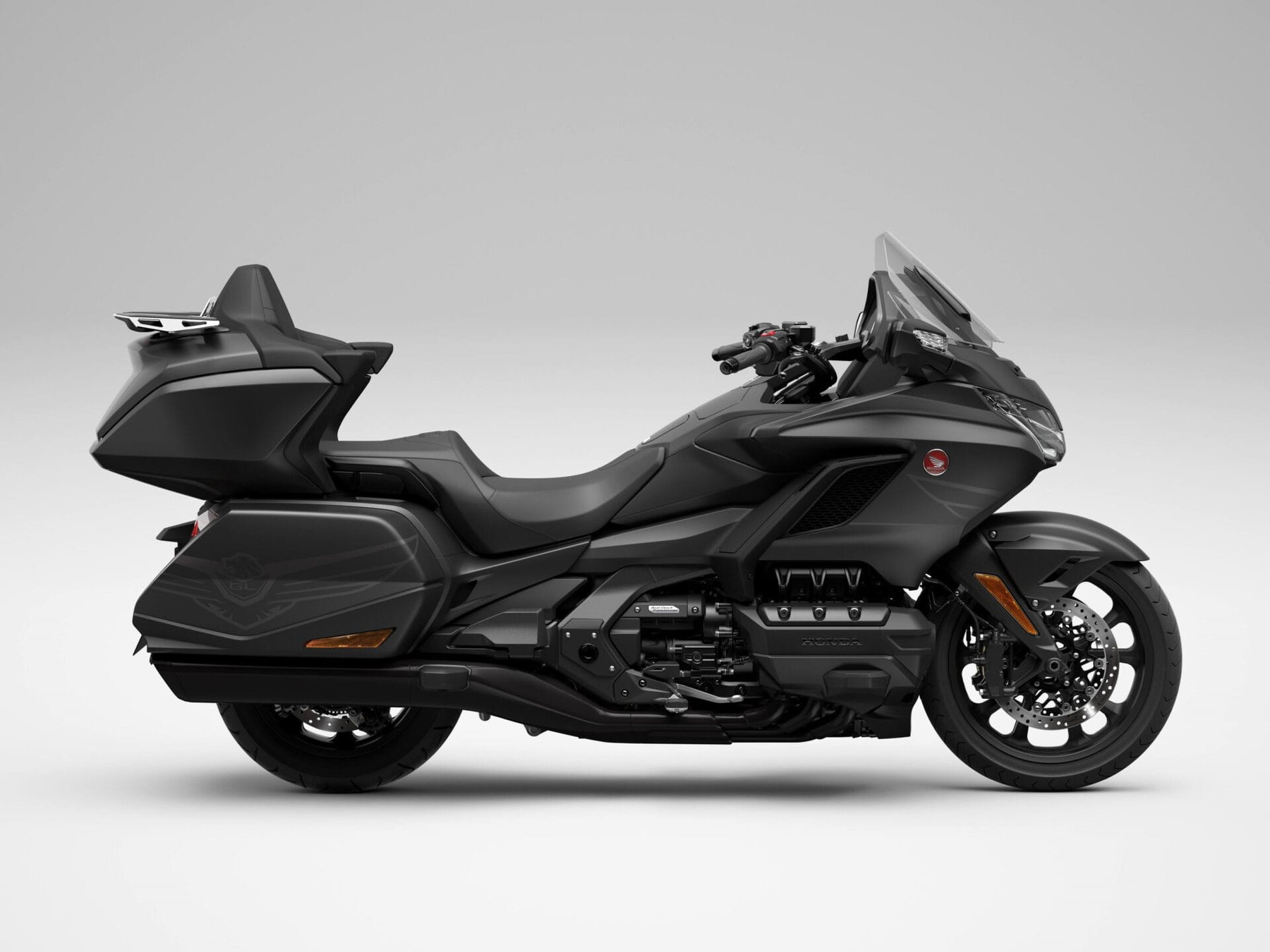
- Kumamoto is Honda’s largest motorcycle plant in Japan, building the Gold Wing, the Super Cub and the CBR600RR among others
- The ramp-up is happening step by step, and Honda has not confirmed full capacity so far
An earthquake in Kumamoto Prefecture brought large parts of the Japanese vehicle industry to a standstill at the end of July. Honda was affected as well, at several sites at the same time. The plant in Kumamoto was hit hardest, as it sat closest to the epicentre of all the affected factories. Production there stood still for four weeks. The lines are now running again, though not immediately at full strength.
Since when has production in Kumamoto been running again?
Honda has been building complete vehicles in Kumamoto again since Monday, 24 August. The company announced the step four days earlier, on 20 August.
The statement reads: “Now that the factory is nearing completion, Honda will resume finished vehicle production from Monday, the 24th. Going forward, we will continue to prioritize the safety of our employees and work in cooperation with all relevant parties to ensure a stable supply of our products.”
The plant was not completely idle for the entire period, however. Originally the factory was supposed to stay closed until 7 August. As early as 5 August, Honda resumed individual processes there and stated at the time: “We will continue to gradually resume production and aim to return to normal operations as soon as possible.” Final assembly of complete motorcycles only followed a good two weeks later.
Which motorcycles are built in Kumamoto?
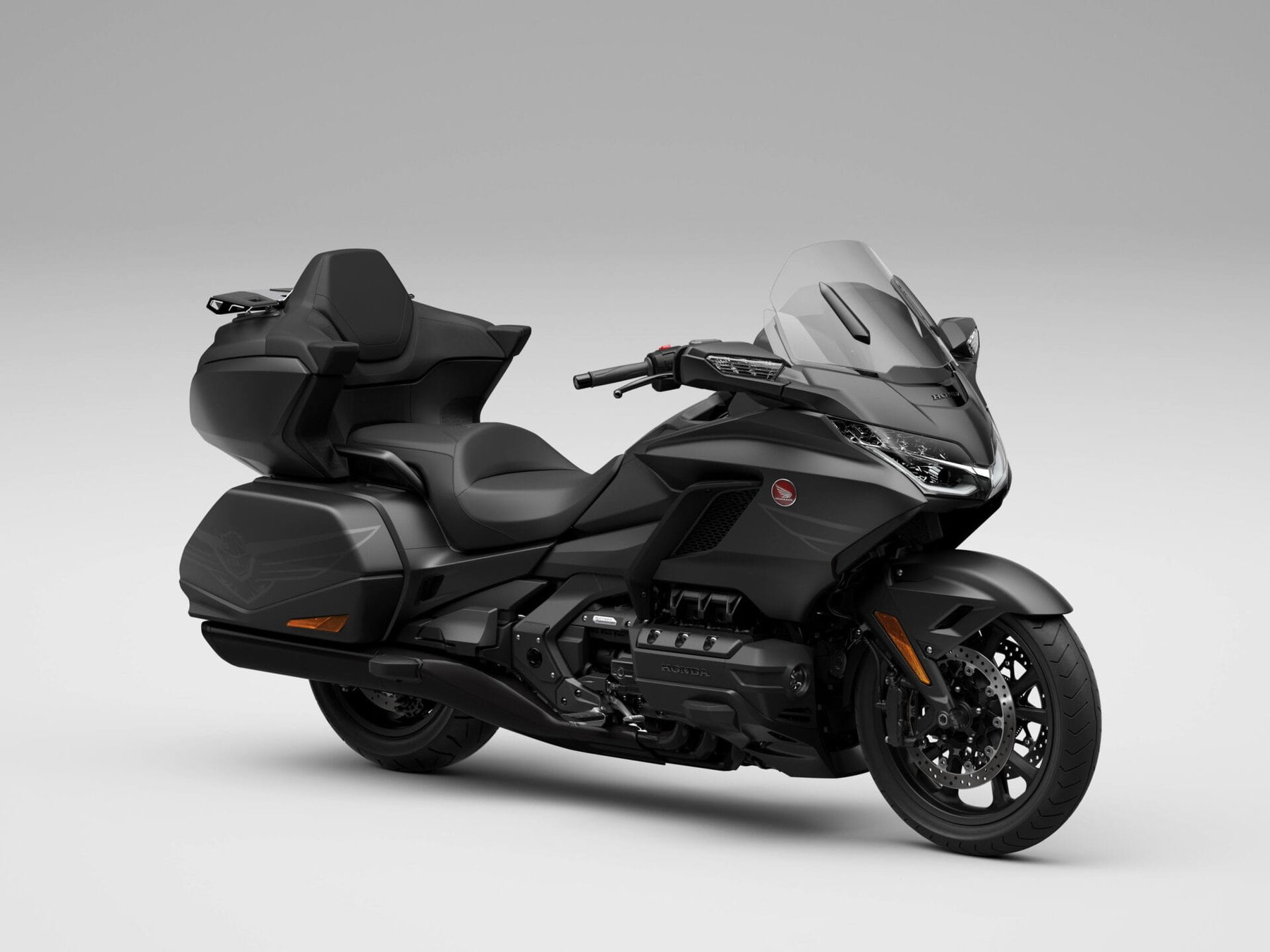
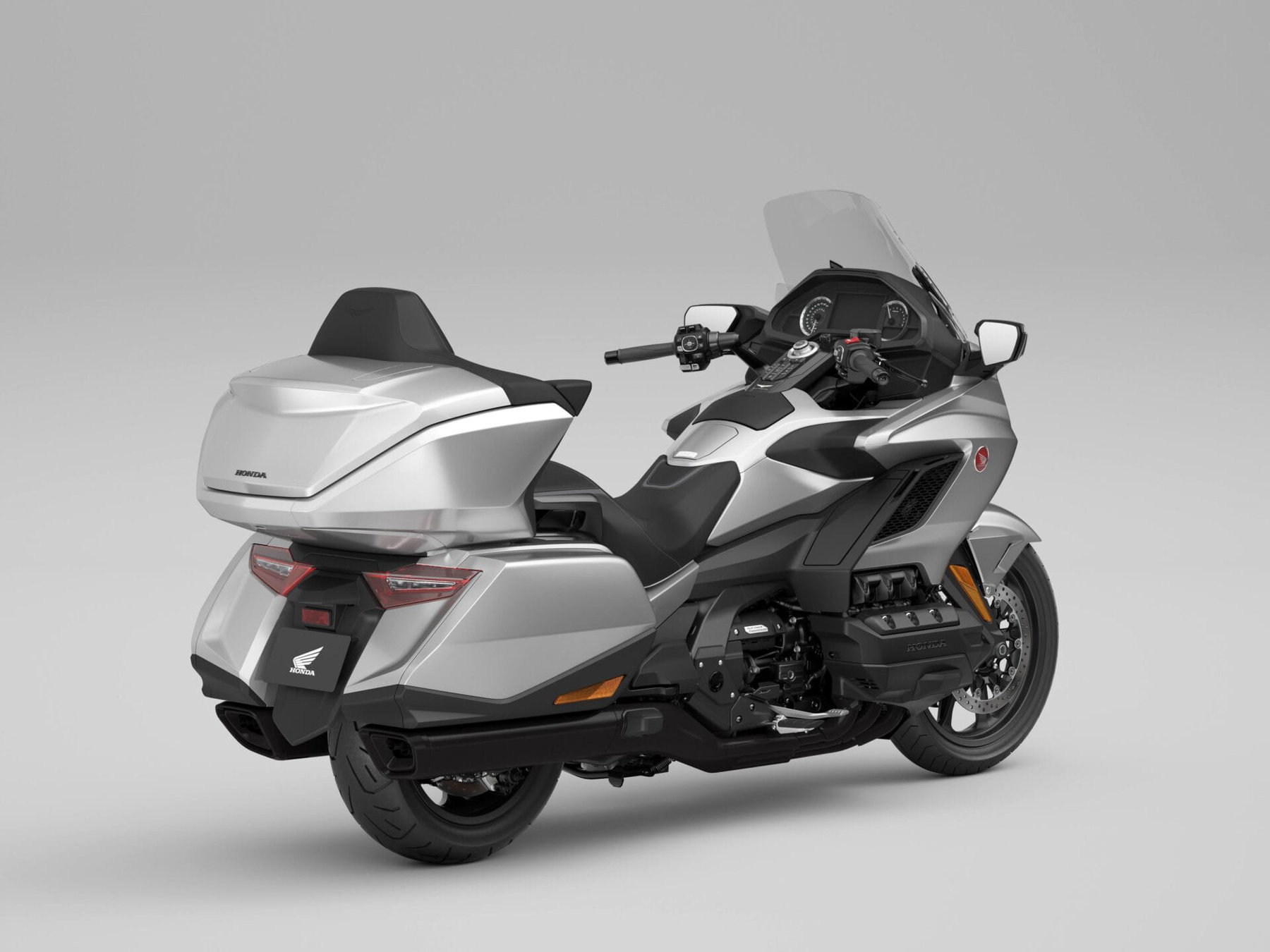
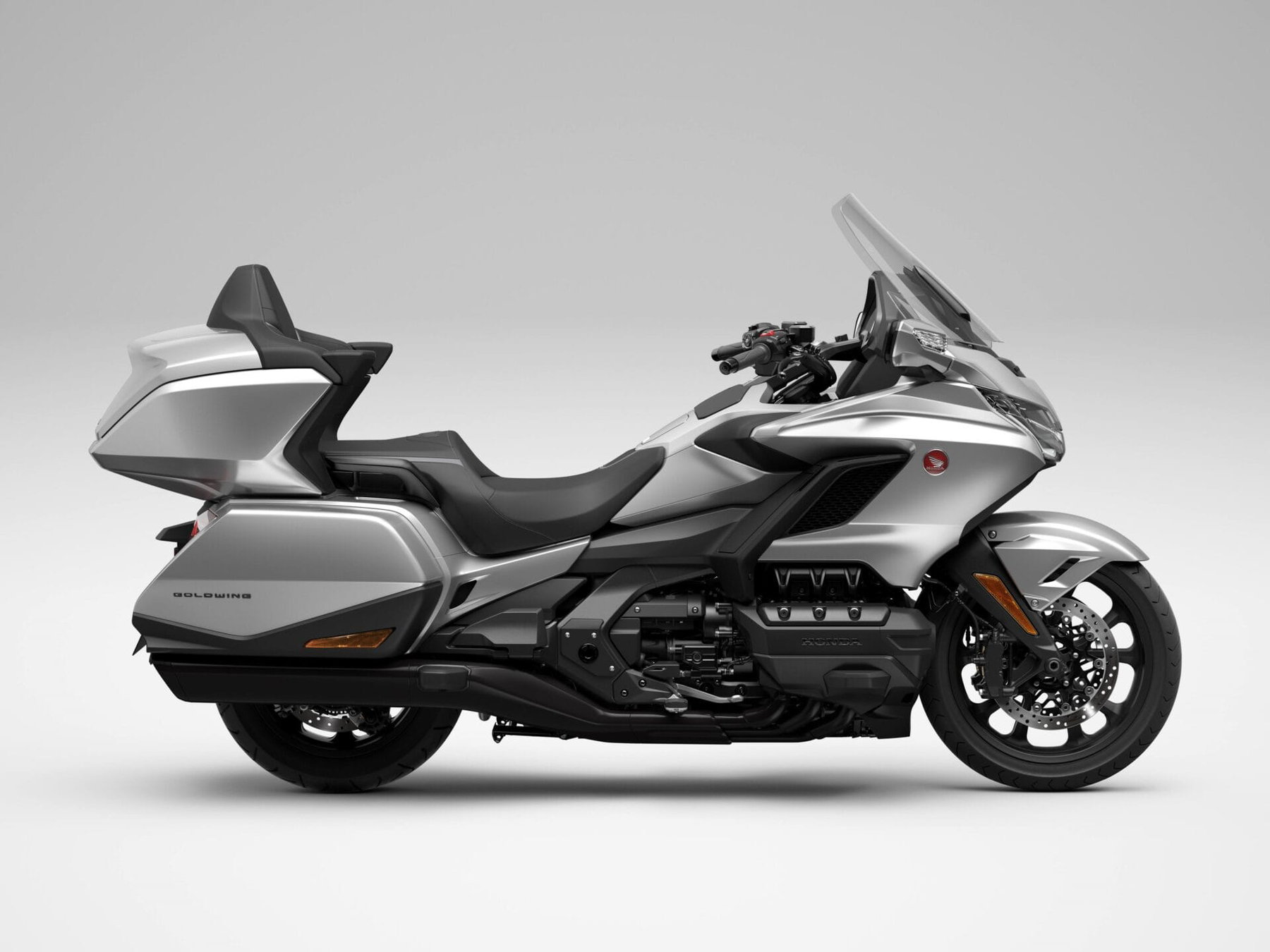
Kumamoto produces some of Honda’s best-known models, among them the Gold Wing, the CBR600RR, the X-ADV and the Super Cub. The plant builds motorcycles and so-called power products exclusively, meaning motorised equipment such as generators or lawnmowers, but no cars.
The exact model lists differ between the available reports. Alongside the models named above, the CRF450R, the GB350, the Africa Twin, the CB1100, the CBR1000RR, the Rebel 500, the CBR250RR and the Giorno and Tact scooters are also mentioned. Individual reports go as far as estimating that roughly half of Honda’s current two-wheeler range comes out of Kumamoto. That assessment does not come from Honda itself and cannot be verified against the available information.
The plant is located in Ozu in the Kikuchi district, north-east of the city of Kumamoto. It went into operation in 1976 and was Honda’s fourth production site in Japan at the time. To this day it remains the company’s largest two-wheeler location in its home country. There is no official figure for the workforce. A Japanese industry service assumes between 2,000 and 3,000 employees.
What happened on 28 July?
On 28 July 2026, a severe earthquake shook Kumamoto Prefecture on the southern Japanese island of Kyushu. According to the available information, the tremor lasted around 16 seconds.
The figures for its strength differ. Most reports cite a magnitude of 6.8, while individual business media put it at 7.1, citing the Japan Meteorological Agency. The casualty figure has also changed over time. In early August the reports spoke of at least 13 dead, later reports mention 39 fatalities. Added to that were damaged buildings, interrupted power supply and disrupted transport routes across the entire island.
Inside the factories themselves, none of the four affected manufacturers reported any injuries. The picture was different at the supplier Astemo in the town of Uki, which belongs to the Honda group. According to a Japanese trade paper, three employees were injured there, though not seriously. Honda stopped production in Kumamoto immediately after the quake in order to inspect buildings and equipment and repair damage. How badly the plant was actually hit has not been detailed by the company.
Why were Honda’s car plants idle as well?
The car plants did not stop because of damage of their own, but because parts were missing. The Astemo plant in Uki was severely damaged, and it supplied several Honda sites.
Affected were the Saitama site with the Yorii automobile plant, where the Civic, Civic Type R, ZR-V and Prelude are built, plus an engine plant, as well as the Suzuka plant and the Yokkaichi plant operated by Honda Auto Body. These three sites remained closed until at least 19 August. The break partly coincided with the summer holidays that had been scheduled anyway. Production has since restarted at all three locations.
The case highlights a point that goes beyond Honda. The assembly plants themselves were located far from the epicentre and reported no serious damage. They stood still nonetheless, because a single important supplier dropped out.
How hard did the quake hit the rest of the industry?
Besides Honda, Toyota, Nissan and Mitsubishi also had to close plants. Kyushu is at the same time a centre of Japanese semiconductor manufacturing, so the quake hit two supply chains at once.
Toyota interrupted work at its Miyata, Kanda and Kokura plants, initially for a single day, then until the end of July and finally until 5 August. Nissan partially suspended production at its two Kyushu plants from 31 July because suppliers and transport routes were disrupted. According to industry figures, the outage cost Nissan around 5,000 vehicles. Mitsubishi stopped parts of production at its Okayama plant.
Among the chip manufacturers, the plant operated by Japan Advanced Semiconductor Manufacturing, TSMC’s Japanese subsidiary, was affected, as were sites belonging to Sony and Renesas. At Renesas, ceiling panels came down, walls cracked and water got in. The Japan Automobile Manufacturers Association spoke up on 29 July. Its chairman Koji Sato said the vehicle industry had also been considerably affected and that many colleagues at dealers and suppliers had suffered damage. He announced that the entire industry would respond jointly in order to safeguard the 5.5 million people whose livelihoods in Japan depend on the vehicle industry.
What does the restart mean for motorcycle buyers?
In the short term little changes, because Honda is deliberately ramping production up slowly. Whether and when deliveries in Europe will arrive noticeably late has not been communicated by the company.
The restart is happening step by step. With that, Honda wants to keep an eye on the safety of its workforce on the one hand, and on the other check whether the assembly line and the supplies from the region are running stably again. Many local suppliers were affected by the quake as well. So far the company has not confirmed that the plant has regained its full capacity. A complete return to normal therefore cannot be spoken of yet. The stated goal is to raise production volumes gradually and to keep delivery delays as small as possible, both for the Japanese market and for export.
For Honda, Kumamoto is a critical point in the global production network. If this site drops out, it affects not only Japan but sooner or later model availability in Europe as well. That is exactly why the restart carries a significance that goes beyond a mere factory announcement.
Frequently Asked Questions
-
When did Honda Kumamoto resume production?
Production of complete vehicles has been running since Monday, 24 August 2026. Honda announced the step on 20 August. Individual processes at the plant had already restarted on 5 August.
-
Why was the Honda Kumamoto plant idle?
The trigger was a severe earthquake in Kumamoto Prefecture on 28 July 2026. Honda stopped production immediately afterwards in order to inspect buildings and equipment and repair damage. How extensive the damage inside the plant was has not been disclosed by the company.
-
Which models does Honda build in Kumamoto?
The models built there include the Gold Wing, the CBR600RR, the X-ADV, the Super Cub and the CRF450R. Depending on the source, models such as the GB350, the Africa Twin or the Rebel 500 are also named. The plant additionally builds power products, but no cars.
-
How strong was the earthquake in Kumamoto?
Most reports cite a magnitude of 6.8, while individual media put it at 7.1, citing the Japan Meteorological Agency. The quake lasted around 16 seconds. Early reports spoke of at least 13 dead, later reports of 39 fatalities.
-
Were other Honda plants affected as well?
Yes, the Saitama, Suzuka and Yokkaichi sites also had to pause. The reason there was not damage of their own but missing parts after the Astemo supplier plant in Uki was damaged. All three plants are producing again.