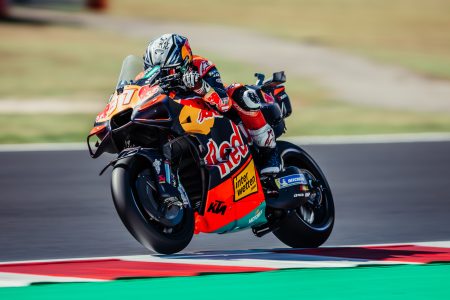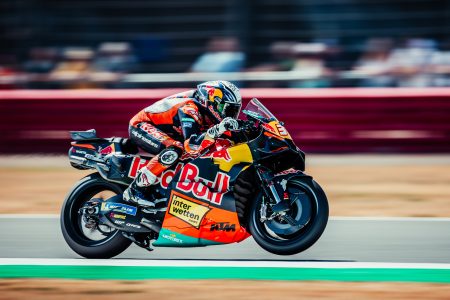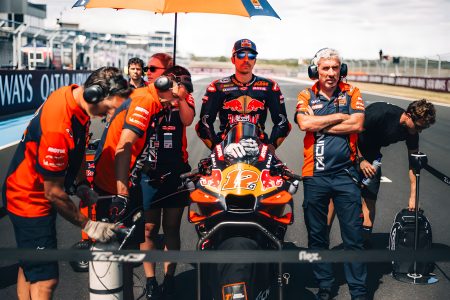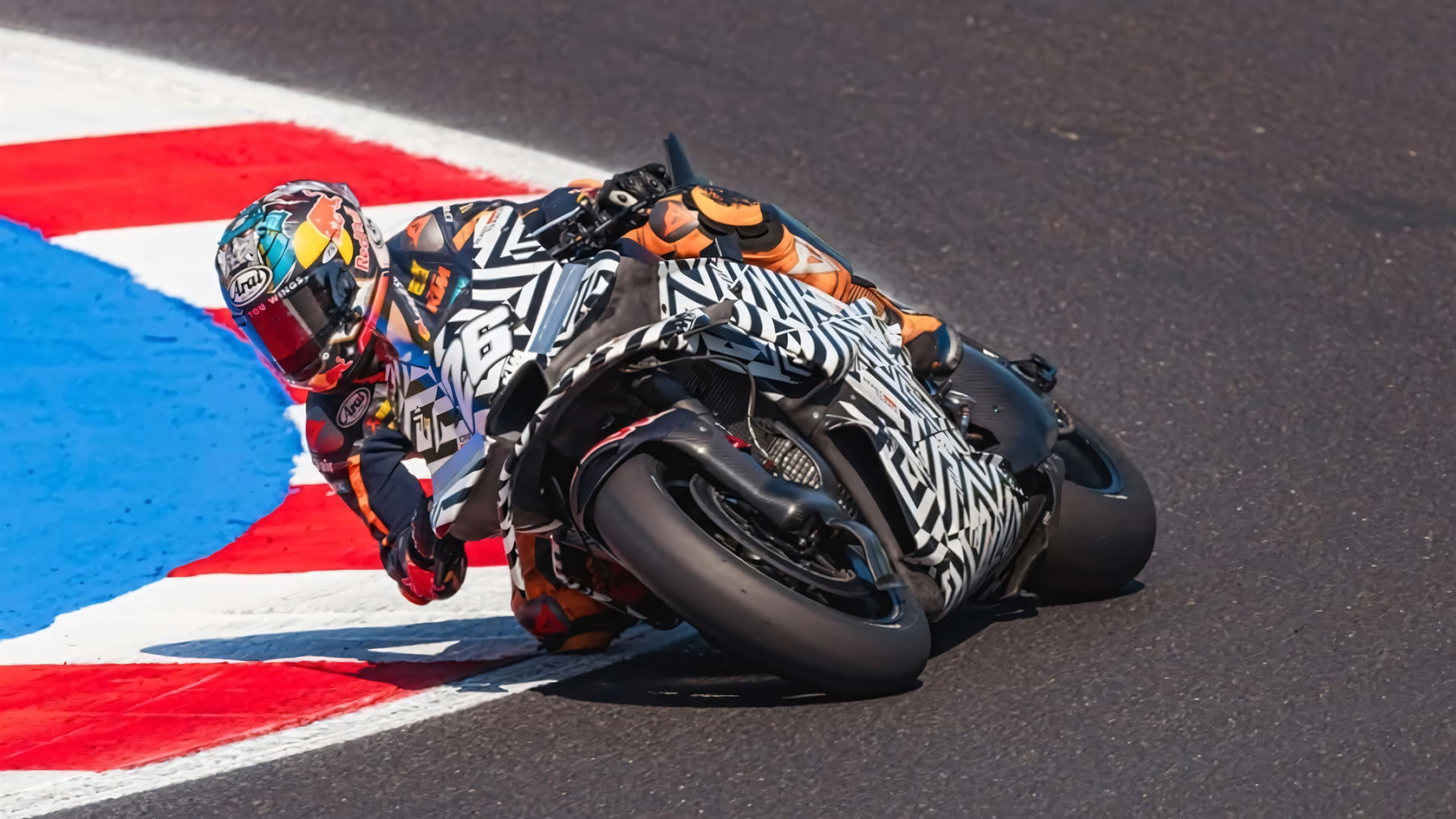
- KTM tested two 850cc prototypes at Misano with Pol Espargaró and Dani Pedrosa
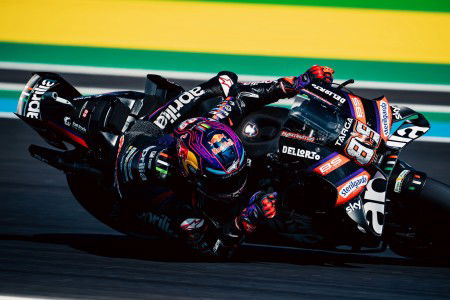
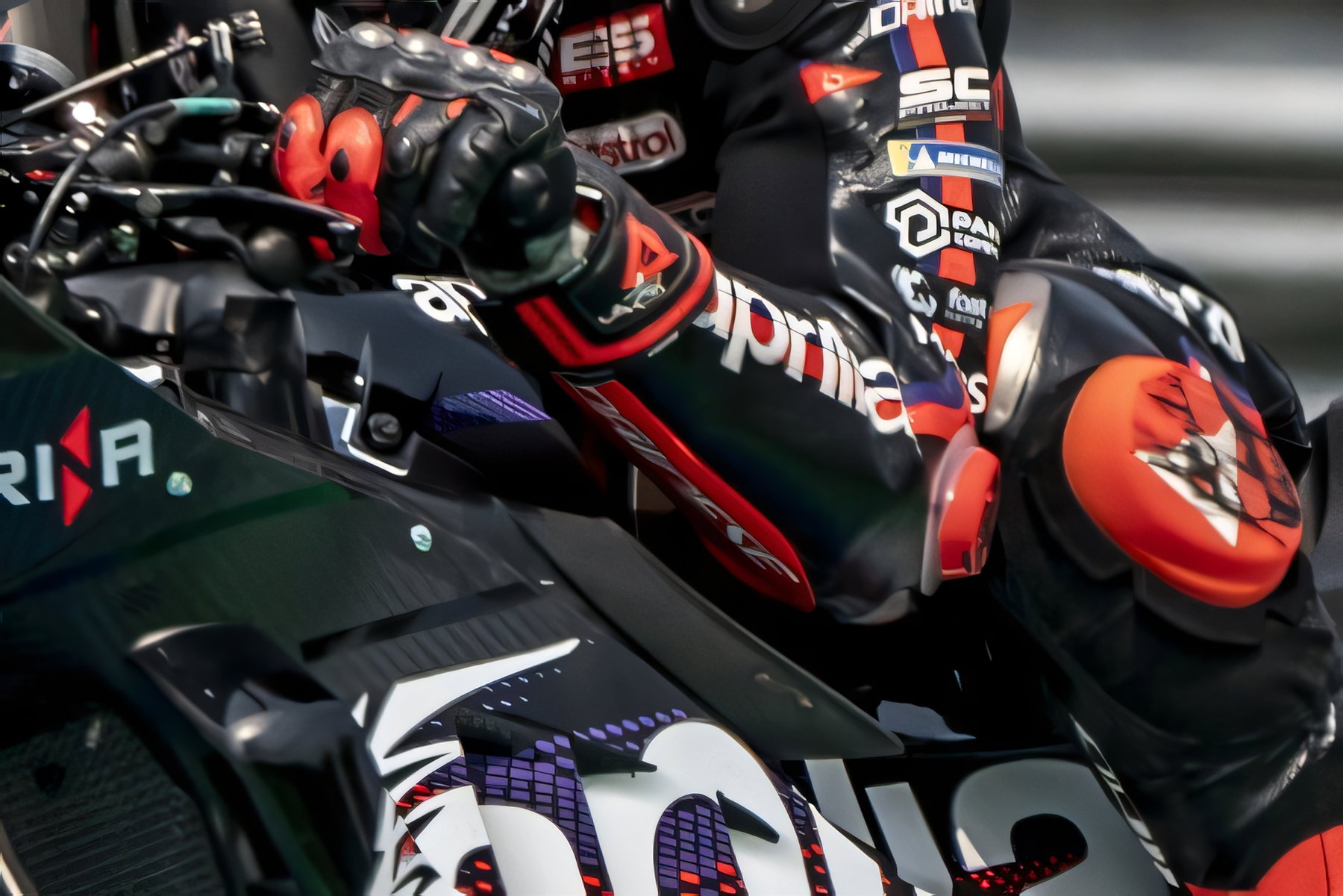
- The air intake sits in almost the same position as on the Aprilia RS-GP but has a different shape
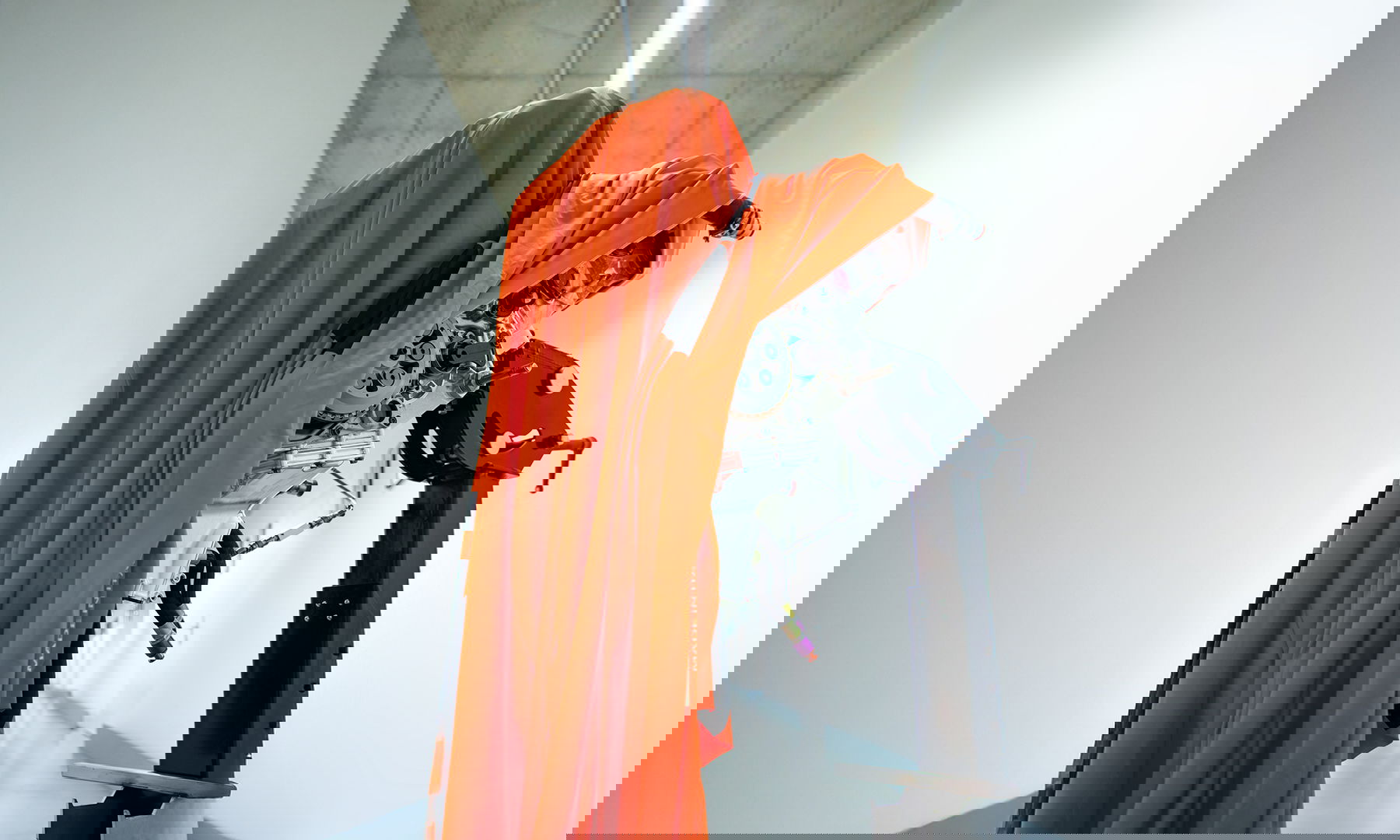
- The F-duct principle originally comes from Formula 1, from the McLaren MP4-25 of 2010
MotoGP is facing its biggest technical upheaval in years, and the Misano test has indicated the direction development is heading. At the Misano World Circuit Marco Simoncelli, the new 850cc prototypes that will be raced from 2027 onward completed their laps. One of the most striking details came from KTM: an air intake that bears a strong resemblance to the F-duct system of the currently strong Aprilia.
What Did KTM Show at the Misano Test?
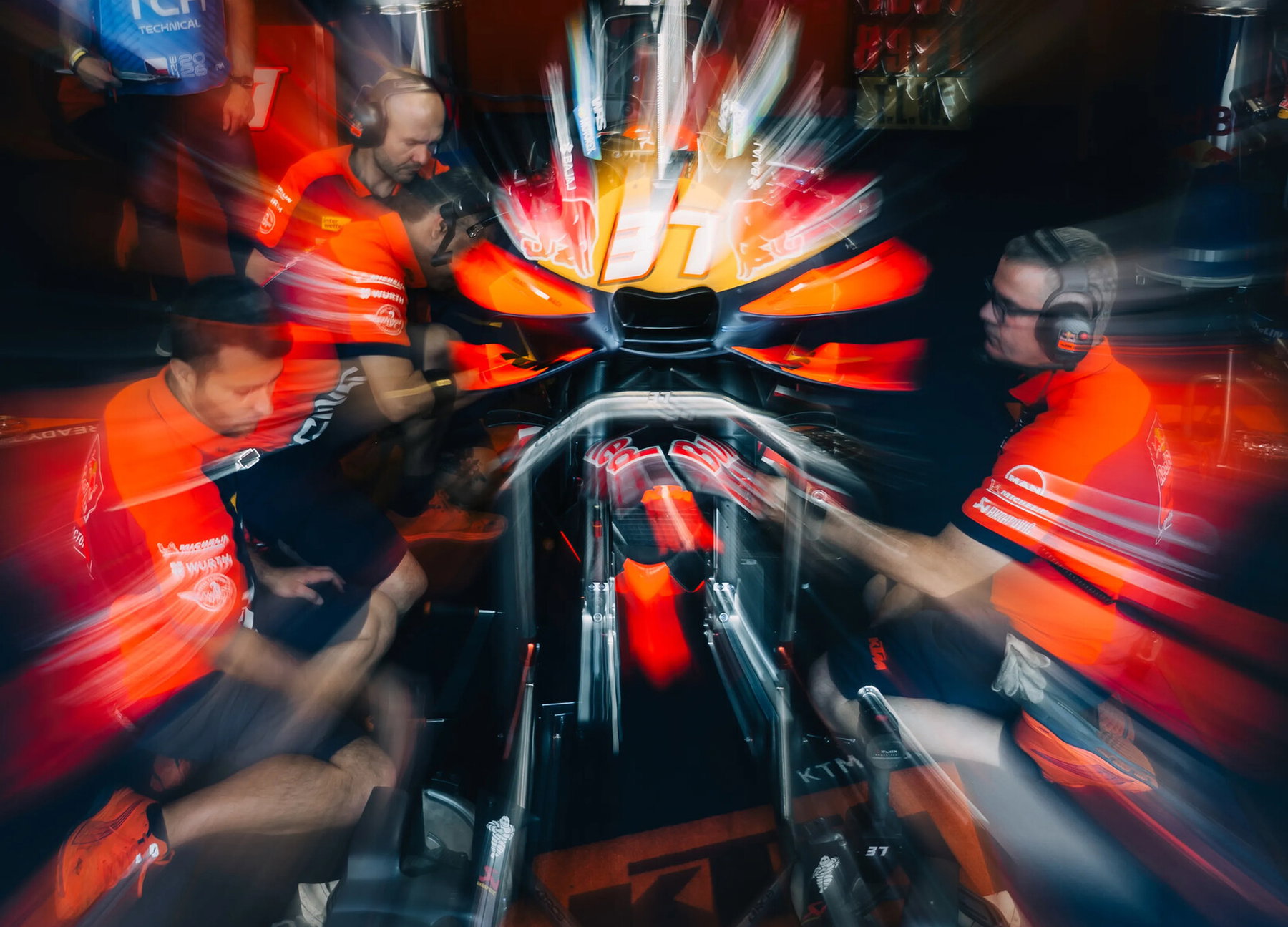
KTM brought two 850cc prototypes to Misano, both featuring an F-duct-style air intake. The machines were ridden by Pol Espargaró and Dani Pedrosa, the factory’s two most important test riders. For Espargaró, it marked his return to a MotoGP bike after injuring his hand in a dirt bike training accident in April.
The intake sits in a position that is almost identical to the solution on the Aprilia RS-GP. According to consistent media reports, this makes KTM the first manufacturer to adopt this aerodynamic technology originating from Formula 1 after Aprilia had previously introduced it to MotoGP. At the 850cc prototype’s first public appearance in December at Jerez, this component was not yet visible.
How Does the F-Duct System Work?
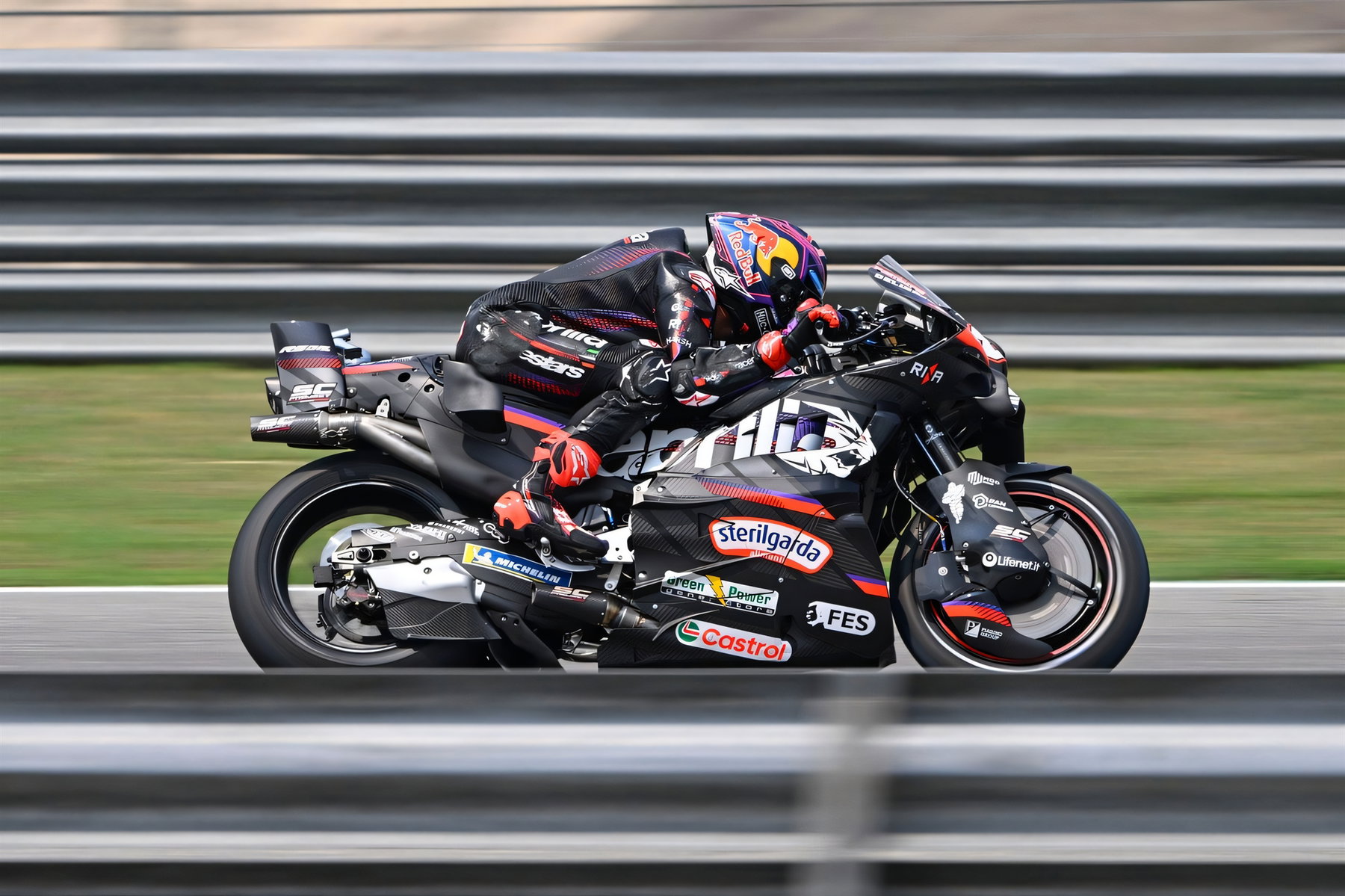
The F-duct system deliberately influences airflow along the side fairing to achieve more top speed on the straights. On the Aprilia, small ventilation slots were cut into the front fairing on either side of the air intake. In the upper section of the side fairing, two openings sit at the height of the rider’s forearms.
When the rider tucks flat on the tank on the straights, their forearms cover these openings. This is intended to cause the airflow along the side fairing to detach, which should increase top speed. Aprilia had first deployed the component during the pre-season testing phase. Factory rider Jorge Martin describes the effect from a rider’s perspective rather cautiously. He speaks of noticeably feeling more air on the straights but does not rate the difference as enormous for the riders.
How much the pure speed gain amounts to is difficult to quantify from the outside. One reference point from race action: at the Buriram round, Aprilia and Ducati were the fastest motorcycles in the speed trap with a measured 345 km/h each.
Where Does the F-Duct Idea Come From?
The basic idea of the F-duct comes from Formula 1 and goes back to the McLaren MP4-25 from the 2010 season. On this car, an air channel ran from the front of the monocoque through the cockpit to the rear wing. On the left side of the cockpit sat an opening. When the driver covered it with their hand, the airflow to the rear wing could be deliberately disrupted.
The effect: depending on the length of the straight, the system reportedly gave the car up to 10 km/h more top speed. Aprilia was the first MotoGP team to transfer this principle to a motorcycle. The background is that the RS-GP generates considerable cornering stability through its diffuser-like side fairing, but this aggressive fairing previously cost top speed. The F-duct system is intended to offset this disadvantage.
How Does KTM’s Solution Differ from Aprilia’s?
KTM’s intake sits at almost the same location as on the Aprilia, but is shaped differently and sits further from the fairing. On the Aprilia RS-GP, the air intake is longer and narrower. On the KTM, the component appears completely differently shaped and is also positioned further away from the rest of the fairing.
This suggests that KTM has not simply attached a copy but is testing its own interpretation of the principle. The Italian Aprilia concept was publicly explained by engineer Fabiano Sterlacchini, while the exact functioning of the KTM variant remains unknown so far.
Which Manufacturers Were Present at Misano?
In addition to KTM, Aprilia, Honda, and Yamaha also brought their 850cc prototypes to Misano. Lorenzo Savadori rode the Aprilia RS-GP 850, Honda deployed Takaaki Nakagami, and Augusto Fernández completed laps on the Yamaha M1. Ducati was notably absent from this test.
Additional machines were also on track: Jonathan Rea rode the Fireblade in Superbike configuration, and Max Biaggi was on an RSV4. Track conditions were considered favorable, as the Superbike World Championship had raced at Misano the previous weekend.
Why Are Teams Experimenting with Aerodynamics Ahead of the 850cc Era?
Because aerodynamics will play a smaller role with the 850cc machines and teams need to apply their accumulated knowledge differently. With the regulation change, aero components will be restricted, which is why the Misano test was primarily about collecting data and trying out concepts. Proven solutions from the current generation, such as the F-duct principle, can continue to be studied and transferred to the new bike generation.
How much of this will ultimately be visible remains to be seen. The next test is scheduled for Brno, but without media access. This means part of the development work will initially take place behind closed doors. The Misano test thus fits into a longer development process that will culminate in the completely new 850cc generation of MotoGP.
Frequently Asked Questions
-
What is the F-duct system in MotoGP?
The F-duct system is an aerodynamic component that deliberately influences airflow along the side fairing to achieve more top speed on straights. When the rider tucks down and covers certain openings with their forearms, the airflow is intended to detach. Aprilia introduced the principle as the first MotoGP team.
-
Who tested the KTM 850 at Misano?
The KTM 850 was tested at Misano by Pol Espargaró and Dani Pedrosa. Both are among the factory’s most important test riders. For Espargaró, it marked his return to a MotoGP motorcycle after a hand injury in April.
-
Where does the F-duct idea originally come from?
The F-duct idea originates from Formula 1 and became known through the McLaren MP4-25 in 2010. The driver could disrupt the airflow to the rear wing by covering an opening. Depending on the length of the straight, the system reportedly provided up to 10 km/h more top speed.
-
When will MotoGP race with 850cc engines?
MotoGP will switch to 850cc engines for the 2027 season. This also brings restricted aerodynamics and further technical changes. The prototypes are already being tested at events like the Misano test.
-
How does KTM’s F-duct differ from Aprilia’s?
KTM’s air intake sits in almost the same position as on the Aprilia but is shaped differently and sits further from the fairing. The Aprilia intake is longer and narrower. The exact functioning of the KTM variant has not been publicly explained so far.
➜ More on this topic in our overview: 2027 MotoGP Season: The Complete Overview.
➜ This article is part of our comprehensive overview: 2026 MotoGP Season: The Complete Overview – Teams, Riders, Calendar & Championship Standings. Find all key information on this topic in one place.