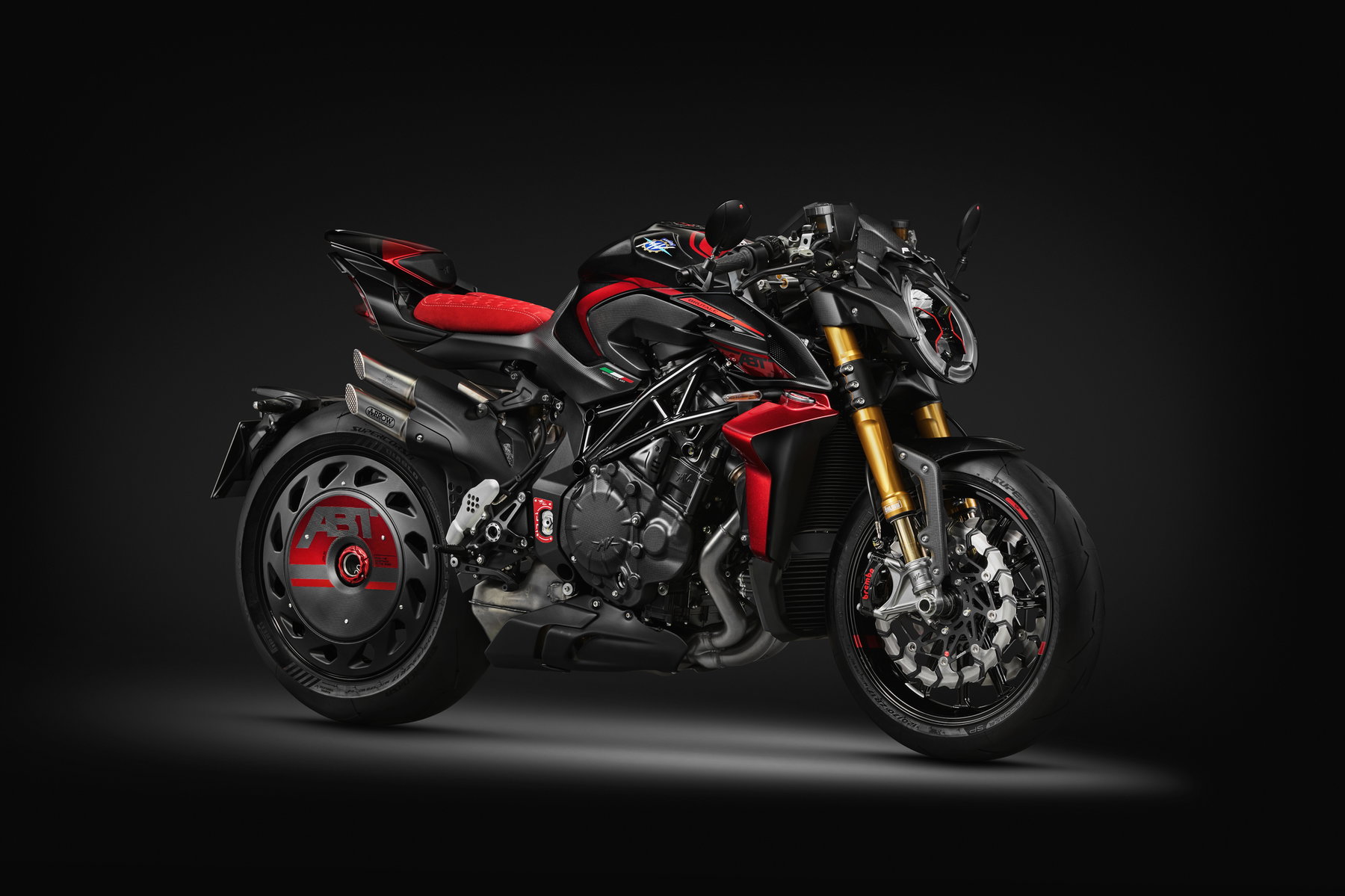
- No motorcycles are said to have left the line at the Varese plant since April 2026
- The June 2026 letter of intent for a 49 percent CFMOTO stake is no longer valid
- 1,238 motorcycles sold by the end of July 2026, around 185 employees fear for their jobs
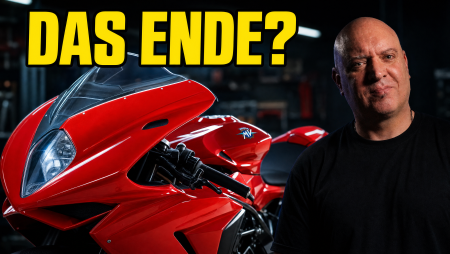
In the summer of 2025, MV Agusta still had big plans. CEO Luca Martin announced new models and higher sales and even floated a move into MotoGP. A little more than a year later, the picture in Varese looks very different. After the partnership with KTM ended, Chinese manufacturer CFMOTO was supposed to come in as an investor. It did not happen. Instead, the talk is of unpaid supplier bills, missing spare parts and a factory that is said to have been idle since the spring.
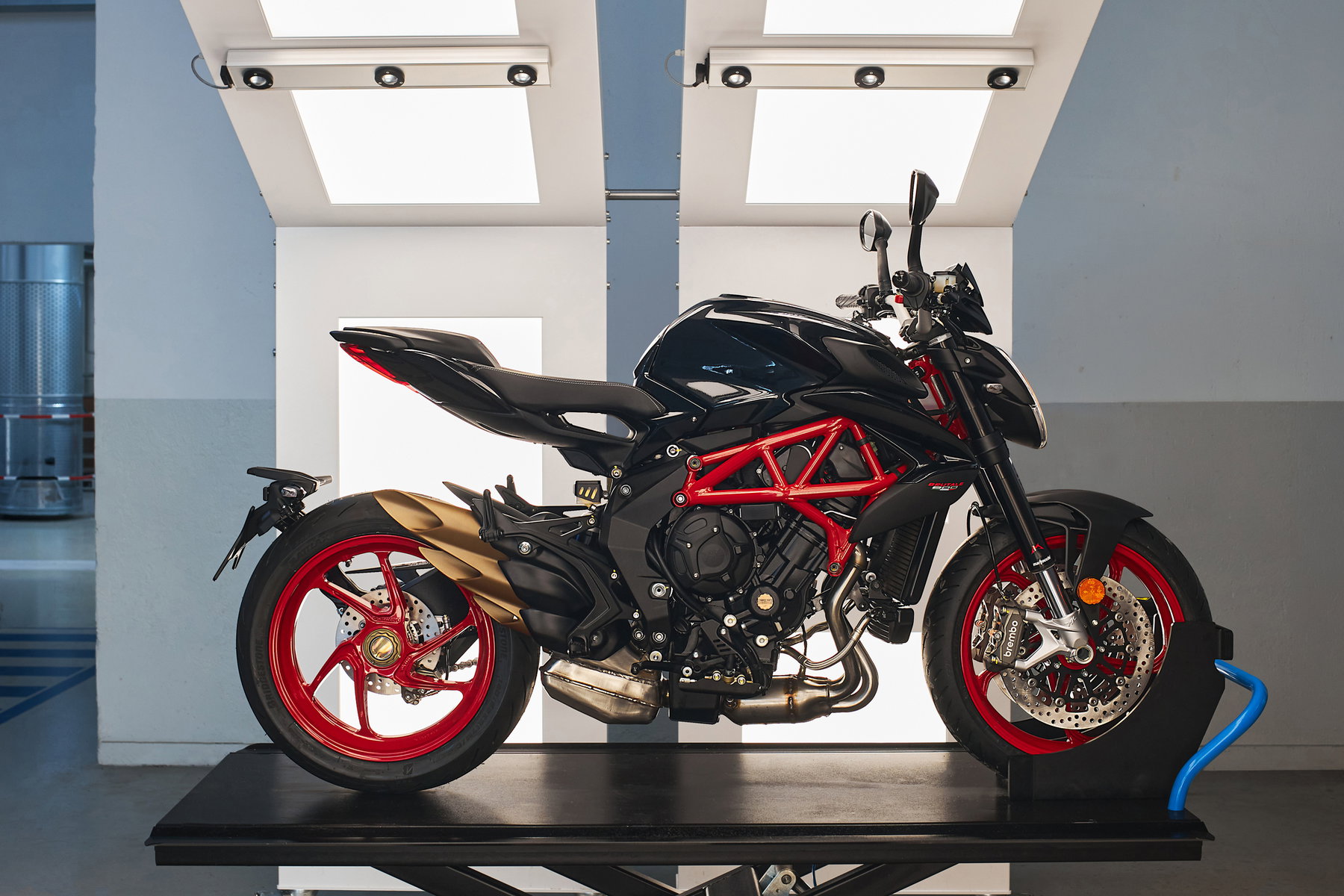
Has production at MV Agusta stopped?
Yes, according to the available reports, manufacturing at the Varese plant has been idle since April 2026. MV Agusta has not officially confirmed this so far.
The cause is said to be problems in the supply chain. Many suppliers are reportedly waiting to be paid, so parts are no longer arriving in Varese. No money came from within the group either. A capital increase of 35 million euros (around 40.6 million US dollars) had been planned for March 2026, to be provided by parent company Art of Mobility. It was never carried out.
Some deliveries are still happening, though. The German sales company MV Agusta Operations GmbH in Cologne is said to have supplied selected dealers in Germany with around 150 motorcycles in 2026. A restart of production is reportedly targeted for October.
Why did the CFMOTO investment not happen?
The investment failed because Art of Mobility terminated the agreement unilaterally. There are two different accounts of what led to that.
In June 2026, MV Agusta and CFMOTO signed a memorandum of understanding. That is a letter of intent, not a finished contract. CFMOTO was initially to take 49 percent of the shares. A restructuring of the company was also planned, with a budget in the tens of millions of euros. The Swiss investment company Circular Economy AG was involved as well and presented an industrial plan for the coming years.
According to one version, the dispute was about how the restructuring should be carried out. According to the other, CFMOTO walked away because the Chinese side considered the financial demands from Varese too high. Other attempts to find fresh capital also came to nothing. There was a due diligence review, meaning a close examination of the company, and offers in the tens of millions of euros. No deal was concluded.
What does the crisis mean for dealers and customers?
Many dealers are receiving hardly any new motorcycles or spare parts. This mainly affects businesses in Germany, Austria and Switzerland.
These countries are handled by MV Agusta Operations GmbH, based in Cologne, where Sascha Renner looks after the brand. While some larger dealers in Germany are still receiving bikes, others are almost empty. Some dealers have even driven to Varese themselves to pick up individual motorcycles. For customers, this mainly means longer waiting times, including for spare parts needed for repairs.
How many motorcycles is MV Agusta still selling?
By the end of July 2026, MV Agusta had sold 1,238 motorcycles. For 2025, Luca Martin had named a target of 4,000 units, and 10,000 per year in the long term.
Sales had already dropped by 54.3 percent in the transition year of 2025 after the split from KTM. Under KTM’s management, the company had recovered financially. In 2023, revenue stood at 133 million euros (around 154.5 million US dollars) and EBIT at 11 million euros (around 12.8 million US dollars). EBIT means earnings before interest and taxes. In 2024 the figures were still 88 million euros in revenue (around 102.2 million US dollars) and 9 million euros in EBIT (around 10.5 million US dollars). Since then the numbers have been falling. Debts are said to be back in the tens of millions of euros, and around 185 jobs depend on the Varese plant.
What role did KTM play at MV Agusta?
KTM was MV Agusta’s majority owner for around two years. That phase ended with KTM’s insolvency at the end of 2024, and in 2025 the shares went back to Art of Mobility.
The investment happened in two steps. In November 2022, Pierer Mobility AG first acquired 25.1 percent. In March 2024 the group exercised a purchase option early and secured 50.1 percent and with it the majority. Hubert Trunkenpolz was managing director in Varese during this period. After the Sardarov family bought the shares back, he became chairman of the board, and Luca Martin moved up from co-CEO to sole CEO.
Resignation at the top and a legal dispute
Hubert Trunkenpolz stepped down as chairman of the board on 20 July 2026. This followed the unilateral termination of the agreement with Circular Economy AG.
The Swiss company is fighting the termination in court. According to a report by the Dutch website Racesport, Circular Economy AG has already won a legal proceeding over the termination. MV Agusta disputes this account and says that so far there has been neither a ruling on the merits nor a final transfer of the shares. At the same time, the management is said to have applied for an out-of-court procedure to deal with the corporate crisis. CEO Luca Martin has not yet commented on the substance of these developments.
What happens to MV Agusta’s MotoGP plans?
The MotoGP plans are on hold. A joint project with CFMOTO in the premier class was part of the talks, and it is off the table now that the agreement has ended.
CFMOTO is said to remain interested in entering MotoGP, but without MV Agusta. The brand already races in Moto3 and Moto2, and in 2024 David Alonso won the Moto3 title on a CFMOTO. In Italy, the group also runs the Modena40 development centre, headed by Spaniard Carlos Solsona. For MV Agusta, something else matters right now: finding money so that bikes are built in Varese again and dealers receive stock again.
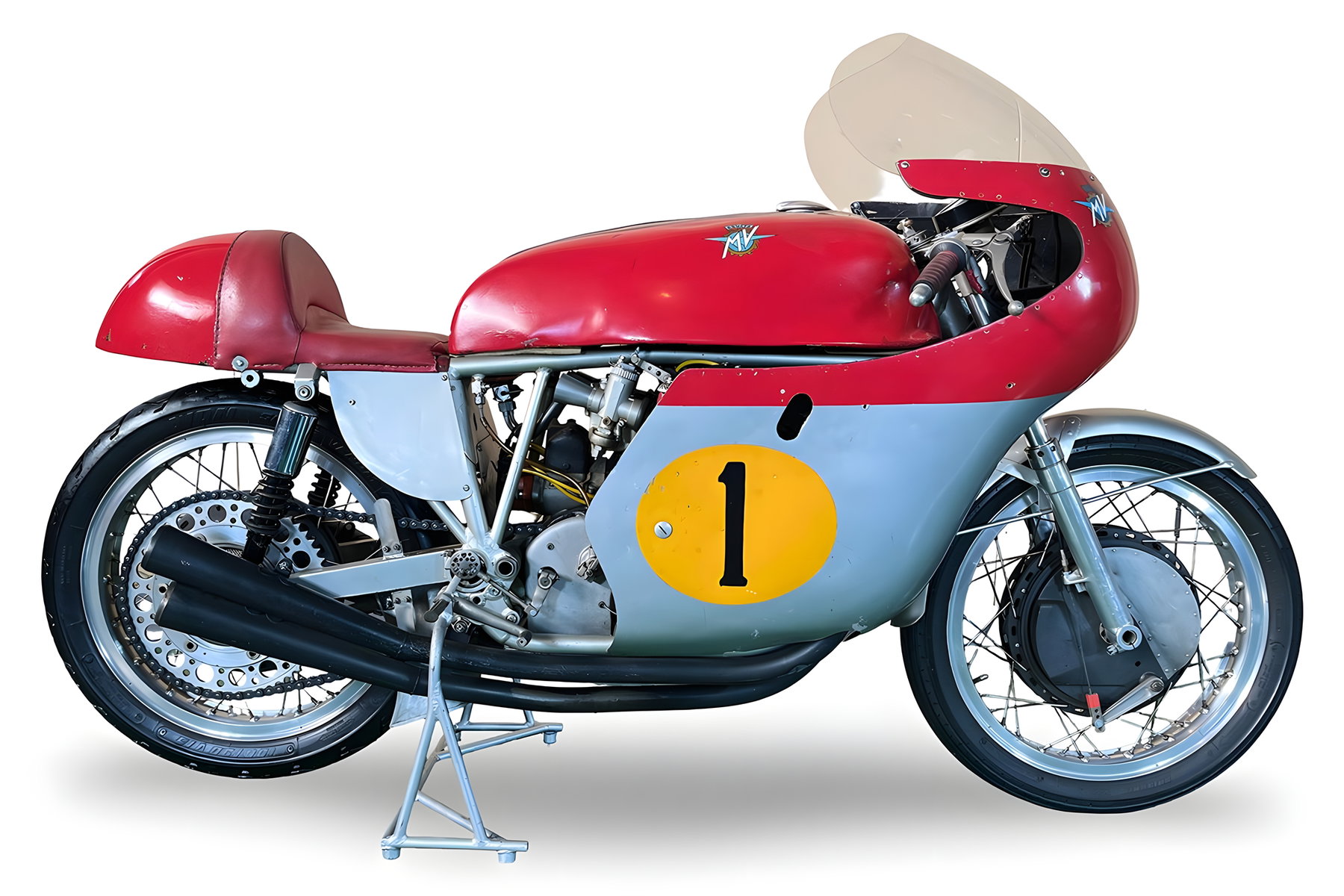
MV Agusta and its many changes of ownership
Financial crises are nothing new for MV Agusta. After 75 world titles, the brand withdrew from the world championship in 1976, the same year Giacomo Agostini took MV’s last 500cc win at the Nürburgring. The motorcycle division was closed in 1978.
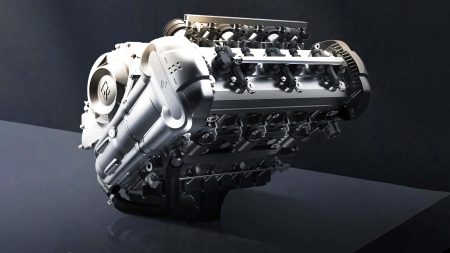
In the nineties, Cagiva founders Claudio and Gianfranco Castiglioni brought the name back. Their first big project was the F4 750, designed by Massimo Tamburini, who had previously drawn the Ducati 916. For the new four-cylinder engine, MV worked closely with Ferrari on the cylinder head with radially arranged valves. The F4 was shown at EICMA in 1997, and the first production bikes of the Serie Oro arrived in 1999. The F4 later even went on display at the Guggenheim Museum in New York.
Since then the brand has changed hands several times. Harley-Davidson bought it in 2008, and in 2010 Claudio Castiglioni took MV Agusta back for a symbolic sum. From 2014 Mercedes-AMG held 25 percent, and from 2017 the Sardarov family gradually took control. After the KTM interlude, MV Agusta has once again been fully owned by Art of Mobility since 2025.
Frequently Asked Questions
-
Is production at MV Agusta really at a standstill?
According to the available reports, manufacturing in Varese has been idle since April 2026 because suppliers were not paid and parts are missing. Some dealers in Germany have nevertheless received around 150 motorcycles in 2026. A production restart is targeted for October, and there has been no official statement from MV Agusta so far.
-
Why did CFMOTO’s entry into MV Agusta fall through?
Art of Mobility unilaterally terminated the agreement reached in June 2026, and a legal dispute with the Swiss company Circular Economy AG has been running since then. According to one account, the disagreement was about the restructuring. According to another, CFMOTO withdrew because the financial demands from Varese were considered too high.
-
How many motorcycles has MV Agusta sold in 2026?
By the end of July 2026 it was 1,238 motorcycles. For 2025, CEO Luca Martin had targeted 4,000 units, and 10,000 per year in the long term.
-
How many jobs are at risk at MV Agusta?
Around 185 people work at MV Agusta. Debts are said to be back in the tens of millions of euros, and without a new investor the future of these jobs is uncertain.
-
Are dealers still receiving new MV Agusta bikes and spare parts?
Many dealers in Germany, Austria and Switzerland are receiving hardly any new motorcycles or spare parts. Some larger dealers in Germany, on the other hand, are still being supplied, with around 150 motorcycles in total in 2026.
➜ This article is part of our comprehensive overview: New Motorcycles 2026: All Models, Releases, and Highlights at a Glance. Find all key information on this topic in one place.