- 50 percent tariff on US motorcycles above 800 cubic centimetres, effective from 12:01 a.m. on 8 September 2026
- Electric motorcycles are not covered, nor are machines below 800 cubic centimetres
- Motorcycles already in Canada or in transit when the measure takes effect are exempt
The trade dispute between the United States and Canada has reached the motorcycle industry. After the US imposed a 50 percent tariff on 22 August on Canadian goods worth 27.6 billion Canadian dollars (around 17.2 billion euros / 20.0 billion US dollars), Ottawa responded three days later with a list of its own. It covers 874 tariff lines and a trade volume of the same order of magnitude. Alongside steel, dairy products, household appliances, agricultural machinery, paper and electronics, the list also includes large motorcycles built in America.
Which motorcycles does the new Canadian tariff affect?
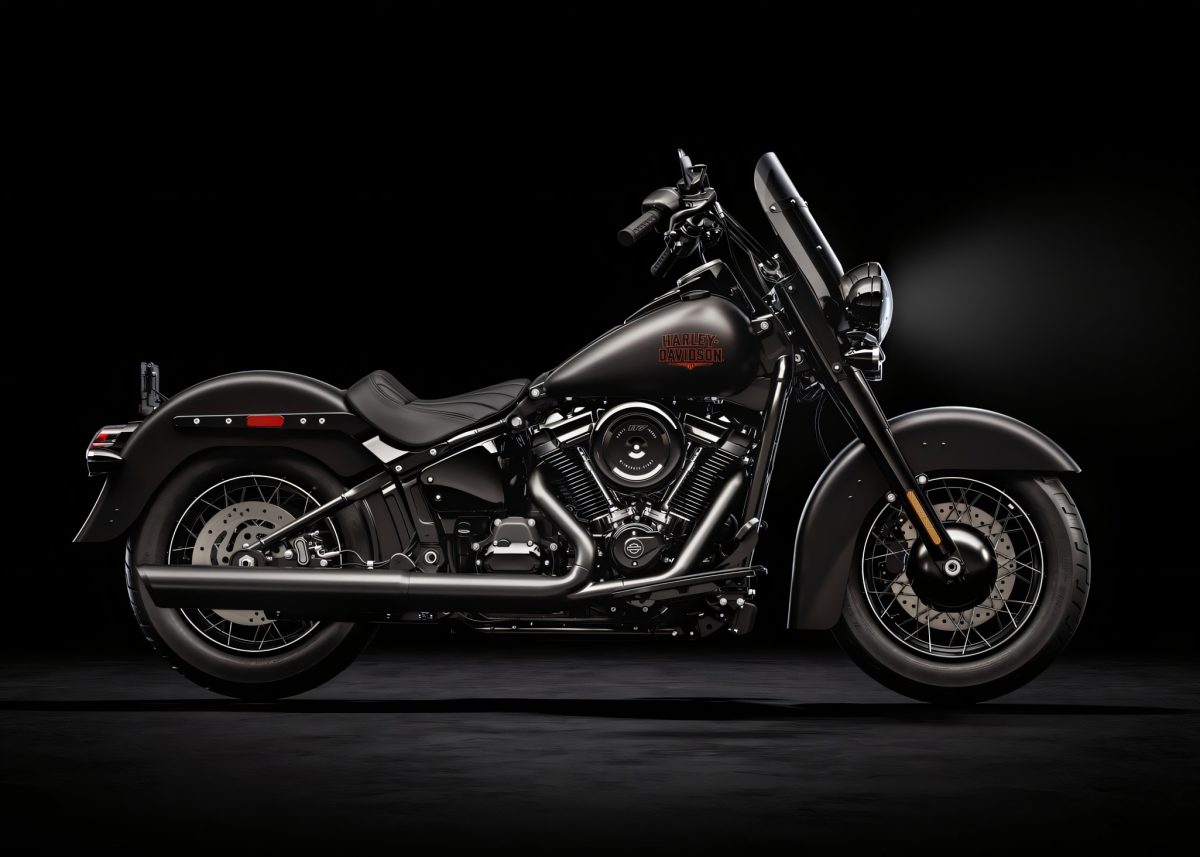
The measure applies to motorcycles with combustion engines above 800 cubic centimetres that qualify as goods of US origin. The decisive factor is tariff line 8711.50.00, as named in the Canadian regulation. Brands play no role in this. In its product list, published on 25 August and updated on 26 August, the Canadian Department of Finance lists only technical characteristics, not manufacturer names.
What counts is origin, not company headquarters. The tariff only applies to goods that may be classified as American under Canadian rules of origin. A motorcycle from a US brand that is built outside the United States does not automatically fall under the levy by this criterion. The rates of the new countermeasures are 15, 25 and 50 percent, each mirroring the rate the US applies to the corresponding Canadian product. In an earlier round of the dispute, the rate for motorcycles was still 25 percent according to media reports.
Why does the tariff hit the entire Harley-Davidson and Indian line-up?
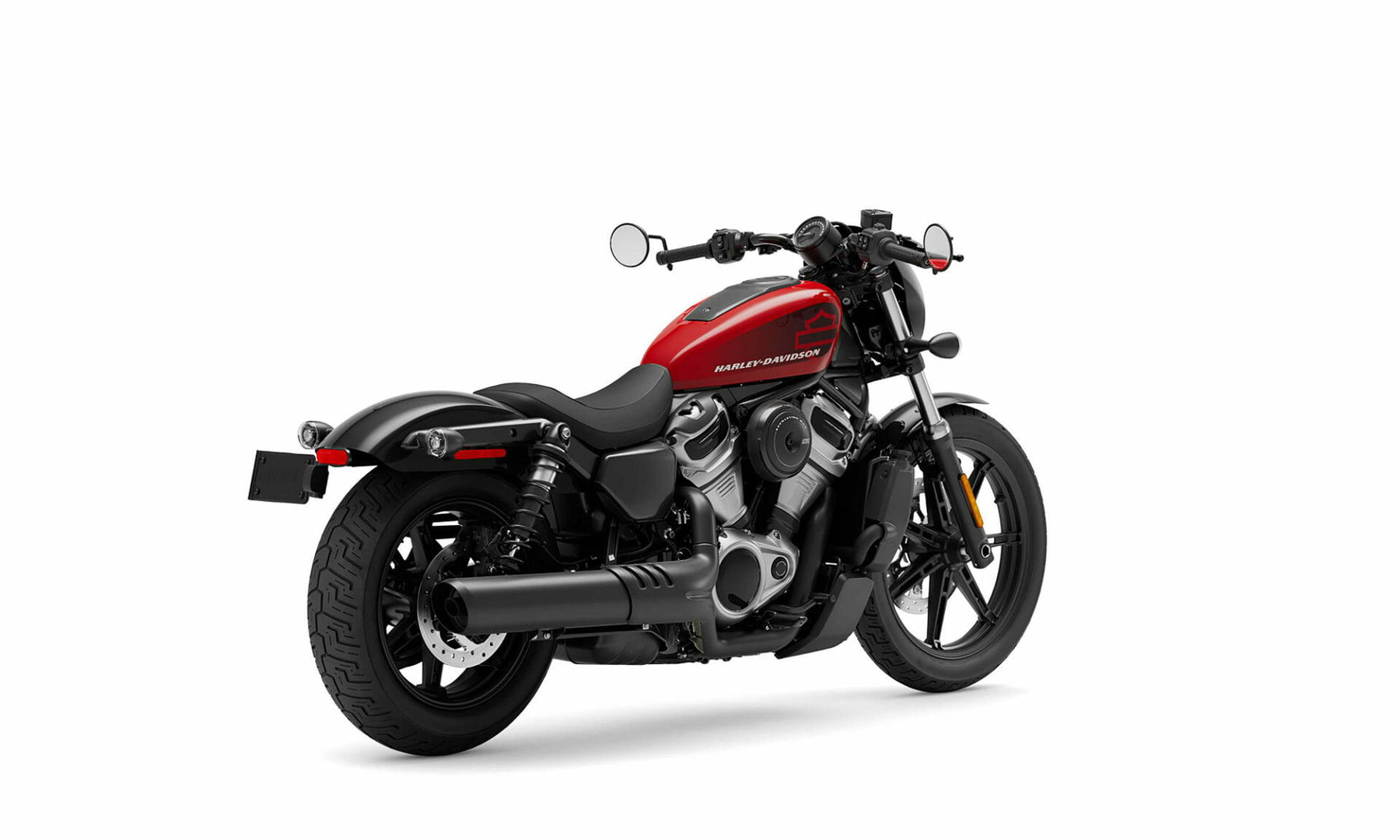
Both manufacturers build only models whose displacement sits above the threshold. At Harley-Davidson, the Nightster with 975 cubic centimetres from the Revolution Max range is the smallest motorcycle on offer. That already puts it well above 800 cubic centimetres. Everything above it, from the cruisers through the Touring family to the CVO models, is covered anyway.
The picture is similar at Indian. The brand’s smallest model is the Scout Sixty with 999 cubic centimetres, which is also available in an A2 version. According to the manufacturer, all current Indian motorcycles are assembled at the Spirit Lake plant in the US state of Iowa. That means the heavy cruisers and tourers meet both conditions of the Canadian regulation.
One way out could be the much-discussed Sprint. Should Harley-Davidson offer that model in Canada, it would be the only one in the range to stay below the displacement threshold.
Will prices in Canada now rise by 50 percent?
No, a 50 percent tariff does not automatically mean a 50 percent higher showroom price. The levy is charged on the customs value of the imported motorcycle, not on the final price on the shop floor. How much of it reaches the customer is decided by manufacturers, importers and dealers.
A worked example illustrates the scale: on a customs value of 20,000 euros (around 23,244 US dollars), 10,000 euros (around 11,622 US dollars) in duty would be due. That amount does not have to feed through to the retail price one for one, but it arises somewhere along the chain.
A look at Harley-Davidson’s price list shows where Canadian prices stand today. The Nightster starts there at 13,099 Canadian dollars (around 8,155 euros / 9,478 US dollars) including freight and dealer preparation. A Street Glide begins at 32,199 Canadian dollars (around 20,047 euros / 23,298 US dollars), the Street Glide Limited at 42,949 Canadian dollars (around 26,740 euros / 31,077 US dollars).
Experts expect part of the levy to be absorbed by margins. A trade economist at the Peterson Institute for International Economics points out that with well-known brands, a large share of the price reflects brand value. That is precisely why suppliers could shoulder a substantial portion of the tariff themselves and still make money. A supply chain specialist at Michigan State University nevertheless assumes that exports to Canada will decline. Price concessions from exporters are unlikely to offset the tariff, so total import costs will rise noticeably. He does not expect larger corporate consequences such as production adjustments before the beginning of next year.
Which motorcycles are exempt from the tariff?
Electric motorcycles, machines up to 800 cubic centimetres and goods already in transit or in the country when the measure takes effect are exempt. The Canadian regulation lists electrically powered motorcycles under a separate tariff line. That benefits LiveWire, Harley-Davidson’s electric brand.
Motorcycles already sitting at Canadian dealerships have crossed the border and are therefore unaffected. The same applies to shipments already on their way to Canada on 8 September. Only replacement stock imported after that date is subject to the new levy. For dealers, that means a grace period whose length depends on how long existing inventory lasts.
The tariff hits Harley-Davidson in the middle of a restructuring
For Harley-Davidson the measure comes at a delicate moment. According to the 2025 annual report, the company sold 6,434 motorcycles to Canadian retail customers last year, down from 7,093 in 2024. That corresponds to 4.9 percent of global sales. In the first half of 2026 the figure was 3,735 machines, compared with 3,912 in the same period a year earlier. Canada is therefore not a large market, but a noticeable one. In total, the country imported motorcycles and motorised two-wheelers from the US worth around 97 million euros (112.5 million US dollars) in 2025, a figure that also includes smaller displacement classes.
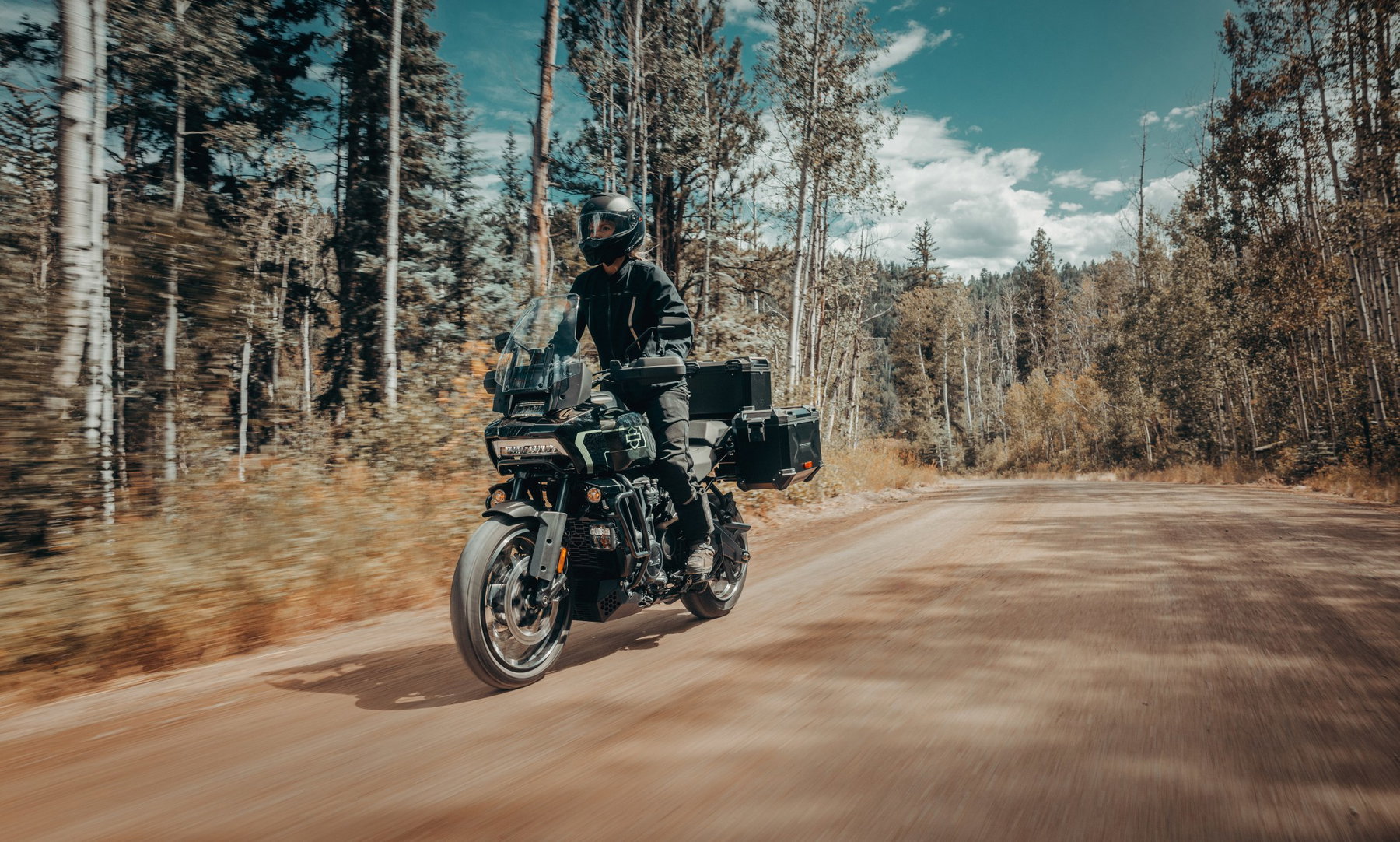
At the same time the group is moving production in the opposite direction. In June, Harley-Davidson announced it would bring North American production of the Revolution Max models Pan America, Sportster S and Nightster back to plants in Pennsylvania and Wisconsin. Machining, powertrain assembly, painting and final assembly are due to run there from next year and, according to the company, will create additional jobs. The manufacturer has not quantified the net figure. The company had already shifted production from Thailand to the US beforehand. The more production sits in the United States, however, the more models meet exactly the origin criterion of the Canadian regulation.
The restructuring is running under CEO Artie Starrs’ strategy programme „Back to the Bricks“. In July, Harley-Davidson raised its outlook for 2026 after North American sales rose by three percent in the second quarter.
What is the Canadian motorcycle industry demanding?
Industry association Moto Canada is calling for motorcycles of American origin to be struck from the list again before 8 September. While the association acknowledges that the government has to defend Canadian economic interests, it sees unwanted consequences for businesses, employees and customers at home.
Moto Canada represents manufacturers and importers of motorcycles, quads and side-by-sides. According to the association, around 900 dealerships and more than 88,000 jobs depend on the sector, many of them at small and medium-sized businesses. Should the tariff go ahead as planned, association head Landon French is calling for a clear and swift refund procedure that also covers motorcycles already ordered, purchased or in transit.
Why are motorcycles of all things on the tariff list?
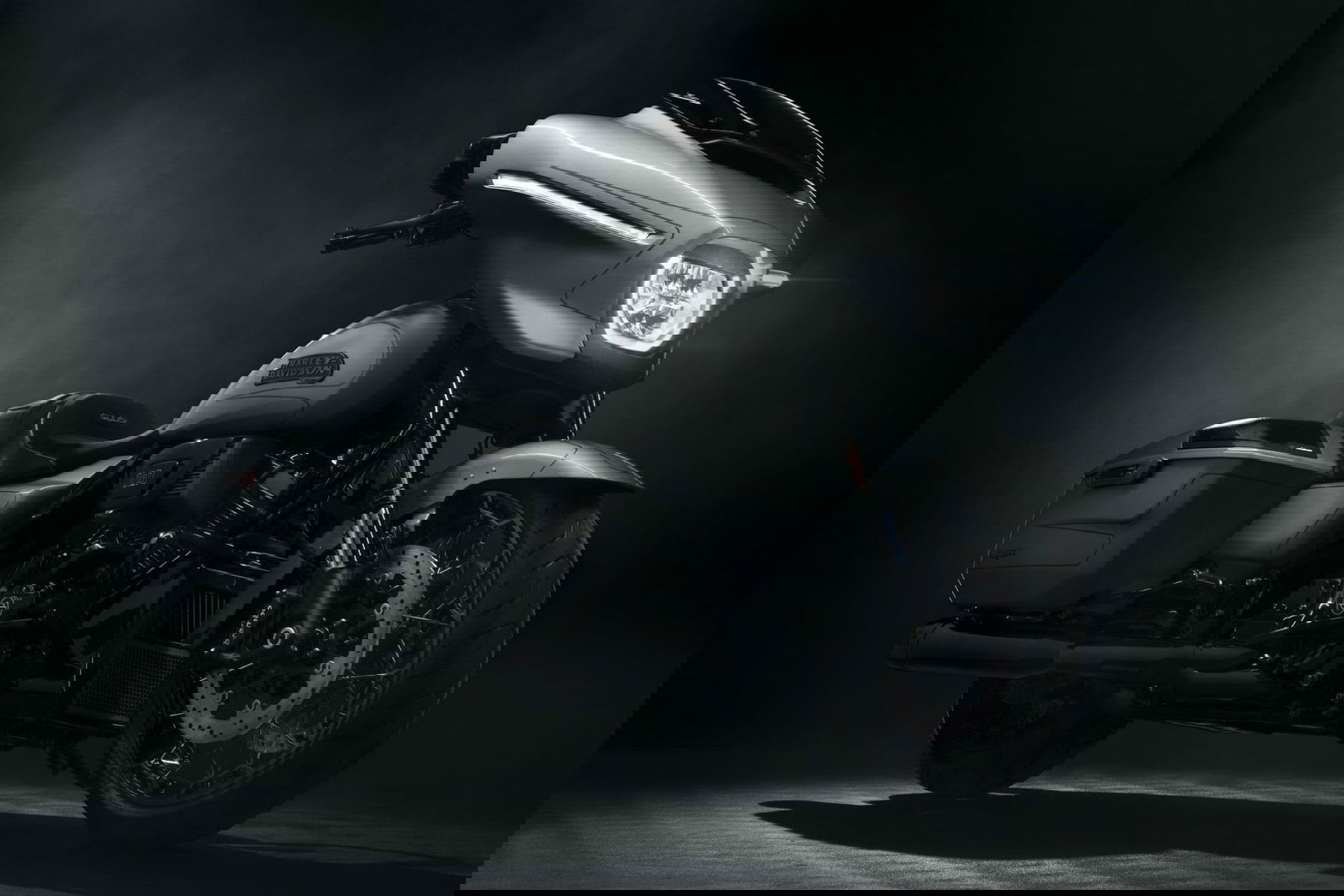
Large motorcycles are seen as a symbol of American industry and therefore keep cropping up in trade conflicts. That was already the case in the 1980s, when the US itself levied import duties on motorcycles, and it was repeated most recently in the countermeasures taken by the EU and other states. The value of the goods is small compared with total trade between the two countries, while their visibility is high.
Officially, Ottawa says the list was compiled to protect the market share of Canadian companies, not to hit politically sensitive products in contested US states. In an interview with Canada’s public broadcaster, however, Industry Minister Mélanie Joly conceded that pressure is very much intended: „We are putting pressure, clearly, on different states and different people“. She added: „We don’t want this trade war. We didn’t start it“.
This becomes concrete in Pennsylvania’s 10th congressional district. It includes York, home to Harley-Davidson’s largest US plant with around 1,000 employees. In the election two years ago, pro-tariff incumbent Scott Perry won there with 50.6 percent against 49.4 percent for his challenger Janelle Stelson, who is critical of tariffs. The two face each other again in November. The situation is different at the company’s home base in Milwaukee: that Wisconsin district is regarded as safe, not least because the opposing candidates split the vote. Observers consider it unlikely that the motorcycle tariff alone will decide an election.
Frequently Asked Questions
-
When does the Canadian tariff on motorcycles take effect?
The measure applies from 12:01 a.m. on 8 September 2026. It is part of a package covering 874 tariff lines that was published on 25 August and updated on 26 August.
-
Which Harley models are affected?
Practically the entire range, because even the Nightster sits above the 800 cubic centimetre threshold at 975 cubic centimetres. A further condition is that the motorcycle in question qualifies as American goods under Canadian rules of origin.
-
Will motorcycles in Canada become 50 percent more expensive?
Not necessarily, because the tariff is charged on the customs value at import and not on the final price. Manufacturers, importers and dealers decide what share is passed on to the buyer. On a customs value of 20,000 euros (around 23,244 US dollars), 10,000 euros (around 11,622 US dollars) in duty arises.
-
Are electric motorcycles affected as well?
No, electric motorcycles fall under a different tariff line and are not covered by this measure. Among those benefiting is LiveWire, Harley-Davidson’s electric brand.
-
How important is Canada for Harley-Davidson?
The group sold exactly 6,434 motorcycles there in 2025, equivalent to 4.9 percent of global sales. In the first half of 2026 the figure was 3,735 units, after 3,912 in the same period a year earlier.