- The Institute for Two-Wheeler Safety (ifz) points out that high temperatures can noticeably impair concentration and reaction time.
- According to medical experts, conditions become critical at temperatures above 30 degrees Celsius, direct sun exposure, and standing phases lasting more than 20 minutes.
- The recommended fluid intake is approximately five milliliters per kilogram of body weight per hour.
A warm summer day and an open road are among the greatest pleasures for many motorcyclists. However, once temperatures climb significantly, the riding enjoyment can quickly turn into a physical burden. Unlike in a car, there is no air-conditioned cabin on a motorcycle, and heat builds up under the helmet and protective gear. Dehydration, exhaustion, and overheating often develop without clear warning signs, yet they impair concentration and reaction time long before the rider becomes aware of the actual problem. Those riding in midsummer therefore benefit from a bit more preparation than on an ordinary weekend.
Why Is Riding a Motorcycle in the Heat Dangerous?
Motorcyclists are largely exposed to the elements without protection. While car drivers can switch on the air conditioning, a motorcyclist wears a helmet, jacket, gloves, and boots that provide crash protection but significantly restrict the body’s ability to release heat. The Institute for Two-Wheeler Safety (ifz) points out that high temperatures can noticeably impair concentration and reaction time. Those who ride while tired or unfocused recognize hazards later and react more slowly. The risk of accidents increases without most riders consciously perceiving the gradual decline in performance.
What Happens in the Body During Extreme Heat?
At ambient temperatures above 30 degrees Celsius, the body’s own temperature regulation comes under pressure. The body attempts to release excess heat primarily through sweat. On a motorcycle, this mechanism is limited because protective clothing impedes evaporation and wind cooling is minimal at low speeds or in traffic jams. Dr. Christoph Haasper, a specialist in orthopedics, trauma surgery, and sports medicine, and spokesperson for the ifz, describes the situation as follows: “Measurements show that the body temperature of a rider wearing standard protective gear can climb to 38.5 degrees Celsius at ambient temperatures above 30 degrees and standing phases of more than 20 minutes.” This corresponds to a low-grade fever and is accompanied by symptoms such as exhaustion, headaches, and diminishing attention.
How Much Should You Drink in the Heat?
Fluid deficiency is one of the most common and at the same time most easily preventable risk factors during summer rides. Those who sweat lose not only water but also minerals that are important for muscle function and concentration. Haasper recommends as a guideline “approximately five milliliters per kilogram of body weight per hour.” For a rider weighing 80 kilograms, this amounts to roughly 0.4 liters per hour. He emphasizes the importance of drinking sufficiently before departure and not waiting for the sensation of thirst, as thirst is a late signal. Water, unsweetened teas, or isotonic drinks are best suited. Heavily sweetened sodas or large quantities of coffee can strain rather than stabilize the fluid balance.
Route Planning and Breaks in the Heat
A conscious approach to route and riding time can significantly reduce the risk of overheating. Haasper advises “scheduling rides during the cooler morning or evening hours, choosing shaded routes, and planning a break in the shade every 60 to 90 minutes.” During the break, protective clothing should be opened or removed, the helmet taken off, and sufficient fluids consumed. Short breaks of ten to fifteen minutes are generally enough to noticeably relieve the body. Those traveling on the highway should plan stops at rest areas with shade options.
What Clothing Provides the Best Protection in the Heat?
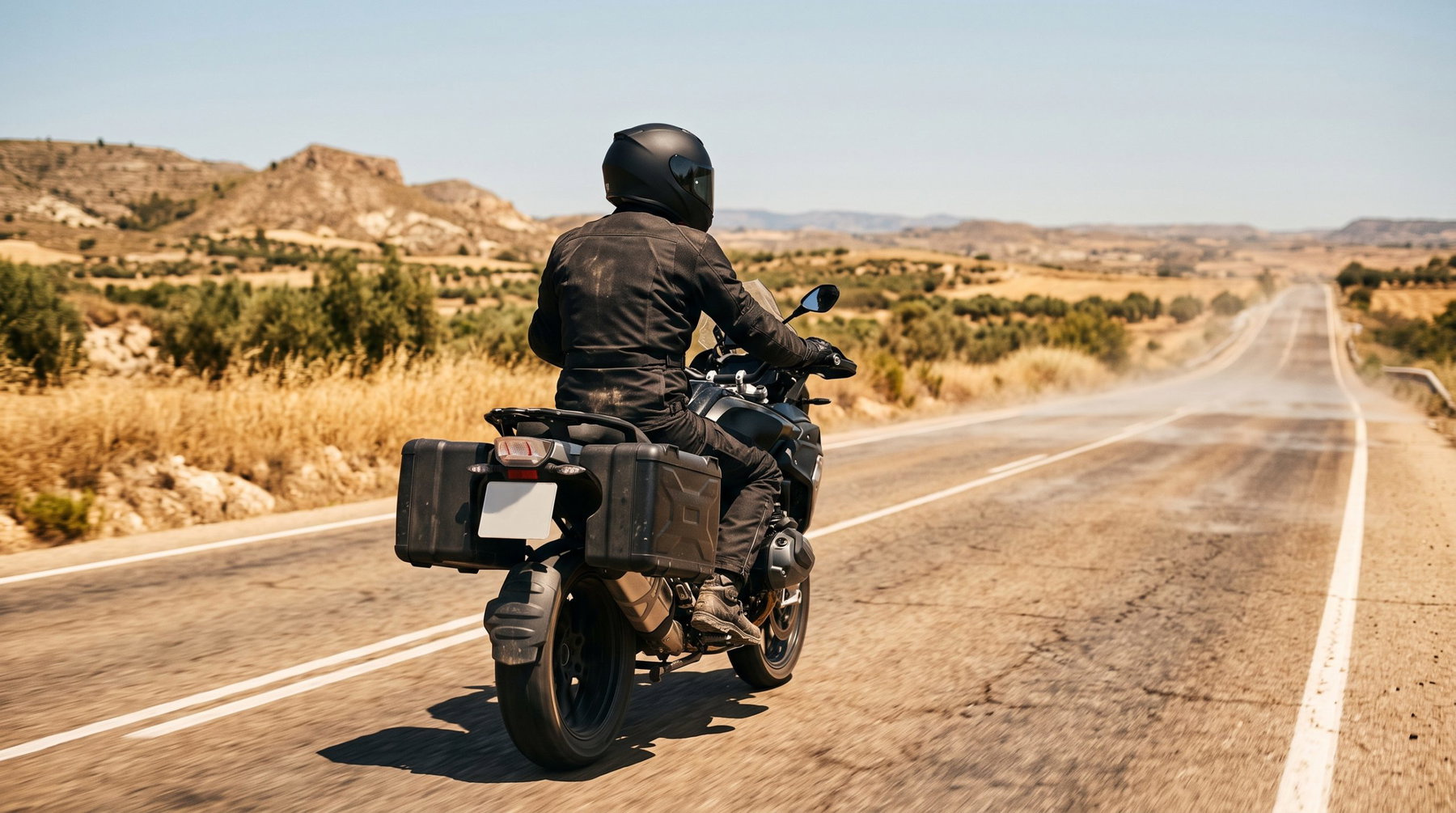
The temptation to forgo protective gear in extreme heat is understandable but risky. Less clothing does not necessarily cool better, as direct sunlight on unprotected skin additionally heats up the body. A better choice is well-ventilated summer gear with mesh panels that allows wind to reach the body while still providing protectors. Moisture-wicking base layers underneath are recommended, as they transport sweat away from the skin and support the cooling evaporation effect. Light colors also reflect more sunlight than dark ones. For helmets and gloves, it is worth looking for models with good ventilation. Some riders use cooling vests that are soaked in water before the ride and provide a noticeable cooling effect for several hours.
How Do You Recognize Heat Exhaustion?
Typical warning signs include dizziness, headaches, fatigue, muscle cramps, nausea, and difficulty concentrating. Anyone who notices these symptoms should immediately stop at a safe location, move to shade, remove protective clothing, and sip small amounts of water. When in doubt, it is better to end the tour than to risk a situation where reaction time is no longer sufficient for safe riding.
Riding a motorcycle in the heat is no reason to leave the bike in the garage. However, it requires preparation similar to a tour in rain or cold: the right gear choices, adapted planning, and the willingness to listen to the signals of your own body. Those who take this to heart can ride safely and enjoyably even on hot days.
-
How much should you drink when riding a motorcycle in the heat?
The recommended guideline is approximately five milliliters per kilogram of body weight per hour. For a rider weighing 80 kilograms, that amounts to roughly 0.4 liters per hour. It is important to start drinking before the ride and not wait until you feel thirsty.
-
At what temperature does riding a motorcycle in the heat become critical?
According to medical experts, conditions become critical at temperatures above 30 degrees Celsius, direct sun exposure, and standing phases lasting more than 20 minutes. Under such conditions, a rider’s body temperature can climb to 38.5 degrees Celsius when wearing standard protective gear.
-
Should you ride without protective gear in the heat?
No, less clothing does not necessarily cool better and primarily costs protection. A better choice is well-ventilated summer gear with mesh panels and moisture-wicking base layers. During longer stops, the protective clothing can be briefly opened.
-
How do you recognize heat exhaustion while riding a motorcycle?
Typical warning signs include dizziness, headaches, fatigue, muscle cramps, nausea, and difficulty concentrating. Anyone who notices these symptoms should immediately stop at a safe location, move to shade, and cool down.