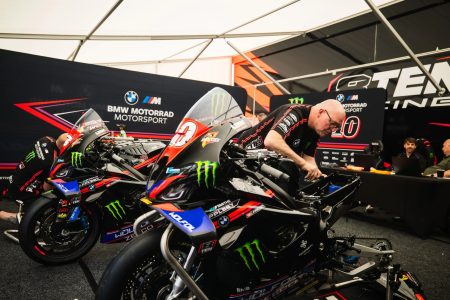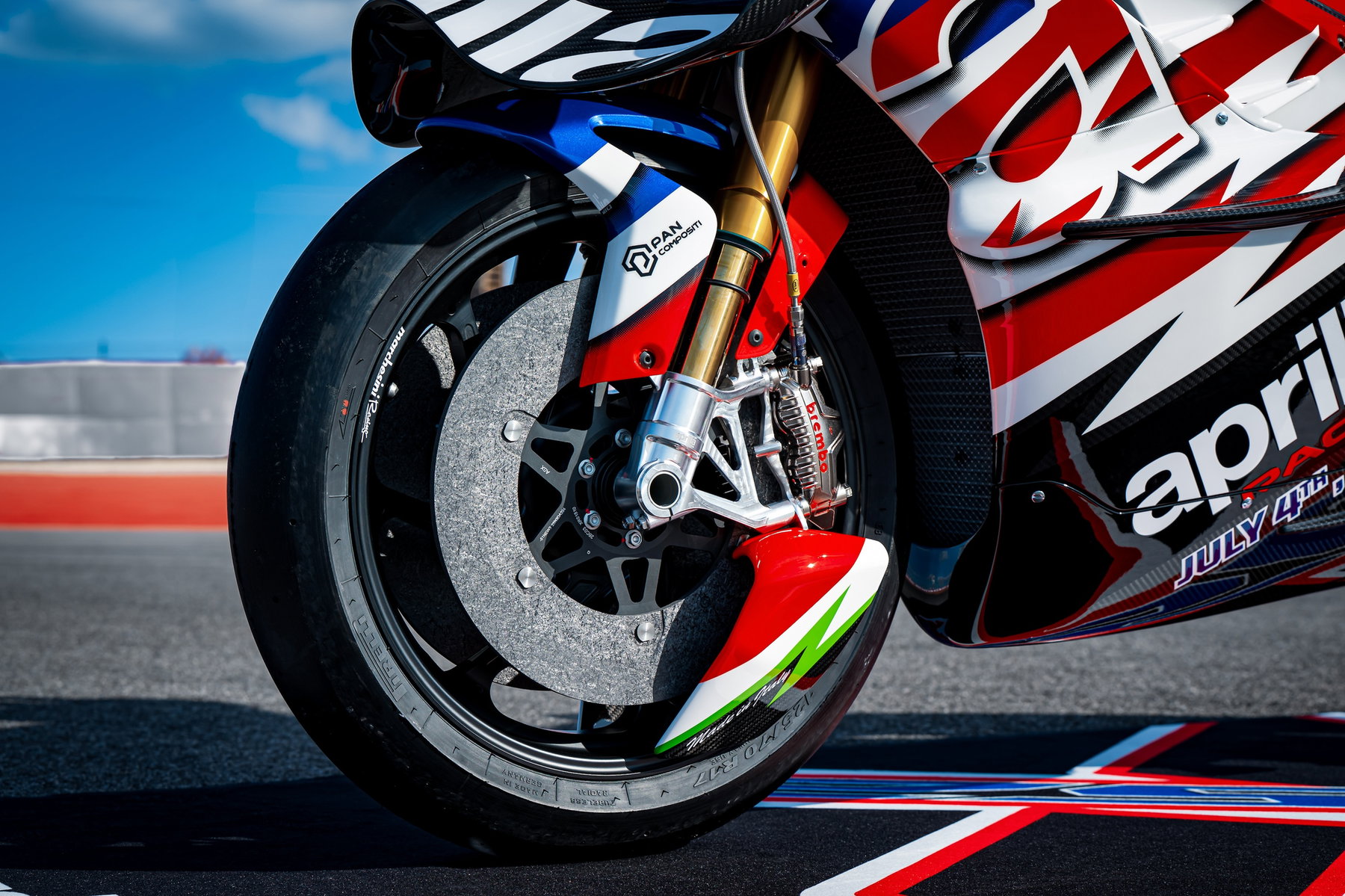
- Brembo will become the exclusive brake system supplier for the entire WSBK grid from 2027.
- The Hyction discs are said to deliver more consistent performance, greater fade resistance, and finer modulation than the current steel discs.
- The Ducati Superleggera V4 Centenario is already a street-legal production motorcycle with carbon-ceramic brakes.
Brembo is bringing its Hyction carbon-ceramic brake disc to the Superbike World Championship from the 2027 season, while also becoming the series’ sole brake supplier. For the first time, a production-based motorcycle racing series is switching from steel to carbon-ceramic, and the technology already points the way to street applications.

A technical shift is approaching in the Superbike World Championship. Brembo has announced that it will introduce the Hyction carbon-ceramic brake disc to the championship from 2027, while becoming the sole supplier of braking systems for all teams. Earlier this season, the Italian company had already been named the series’ official innovation partner. The move marks the first switch from steel to carbon-based material in a production-based motorcycle racing series and is part of a series of major changes coming to the championship in 2027.
What Is Brembo Hyction?
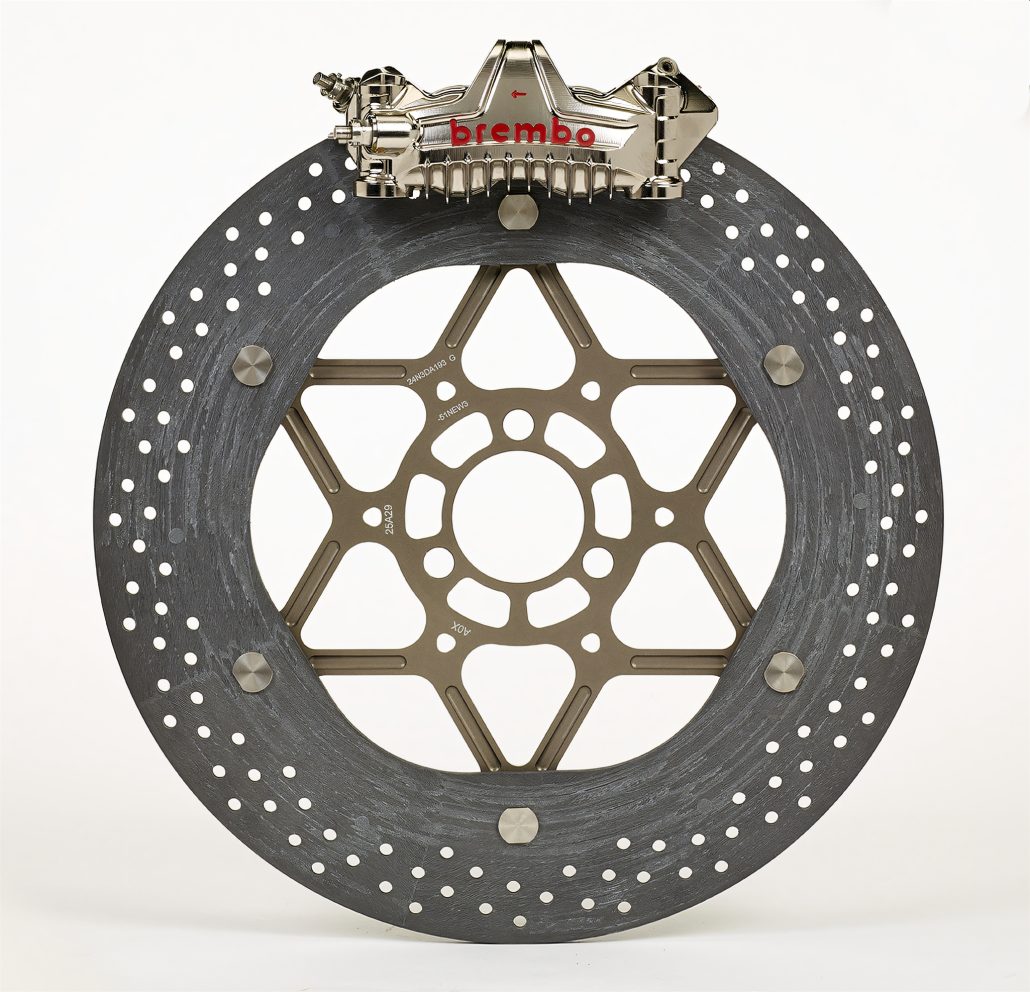
Hyction is a carbon-ceramic brake disc by Brembo whose name combines the words hyper and action. It will replace the steel discs used in the Superbike World Championship from 2027.
Brembo is developing the material based on solutions already used in the high-performance sports car segment. In the championship, Hyction is intended to set a new technical standard while giving Brembo a uniform foundation for the entire grid.
Why Is the Superbike World Championship Switching from Steel to Carbon-Ceramic?
The carbon-ceramic discs are expected to perform more consistently than steel over an entire season and eliminate the need for multiple track-specific setups. Until now, steel discs have been tuned differently depending on circuit characteristics and operating conditions.
Brembo cites several advantages of the new material over steel: more consistent braking performance throughout the braking phase, finer modulation for more precise and progressive control, greater durability with reduced wear, and overall more stable and predictable behavior under varying conditions. Added to this are improved thermal stability and an efficiency benefit, as fewer different specifications should be needed.
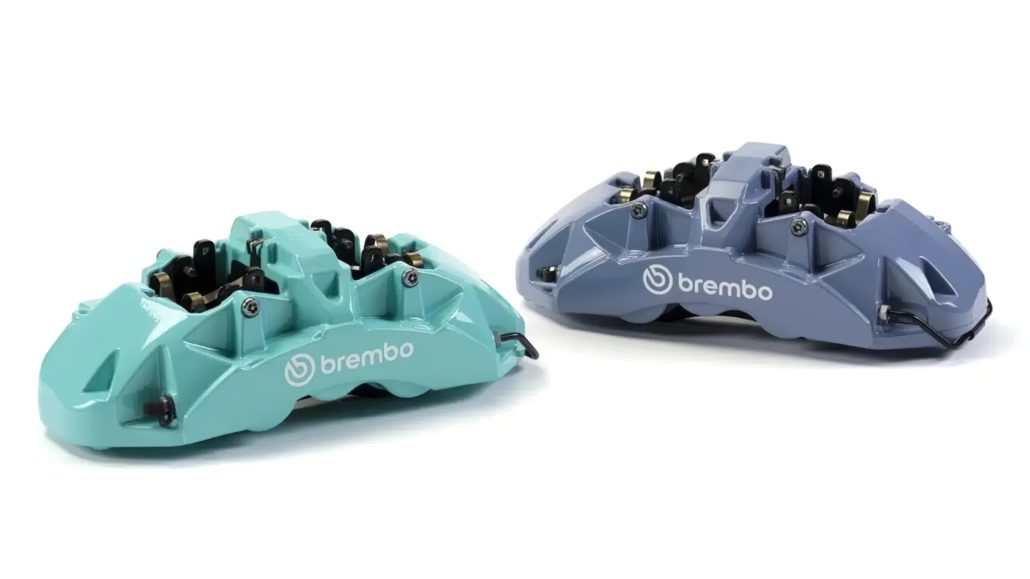
How Does Carbon-Ceramic Differ from MotoGP Carbon?
The Hyction discs are made of carbon-ceramic rather than the carbon-carbon material used in MotoGP. Unlike MotoGP discs, which provide virtually no braking effect when cold, the carbon-ceramic discs are designed to function at low temperatures as well.
Technically, they are more similar to the carbon-ceramic brakes found in supercars than to the pure carbon discs of the prototype class. This very property of providing grip even when cold is an important prerequisite for street use.
What Changes for the Manufacturers on the Grid?
For most teams, little changes because they already use Brembo brakes. Honda Racing Corporation, however, must give up the Nissin components it has been using.
The agreement formalizes what was already the de facto situation: Brembo will supply braking systems for the entire grid going forward. Mauro Piccoli, Chief Marketing Officer of Brembo, describes the series as a development laboratory: “WorldSBK is our ideal laboratory: here we work closely with the best riders and teams in the world, and what we develop on track directly fuels innovation for road applications as well.” Gregorio Lavilla, Executive Director of the Superbike World Championship, describes the partnership as the closest link between racing and production machines, which should benefit the development of future production motorcycles.
Will Carbon-Ceramic Brakes Come to Production Motorcycles?
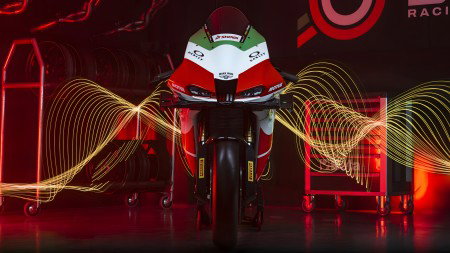
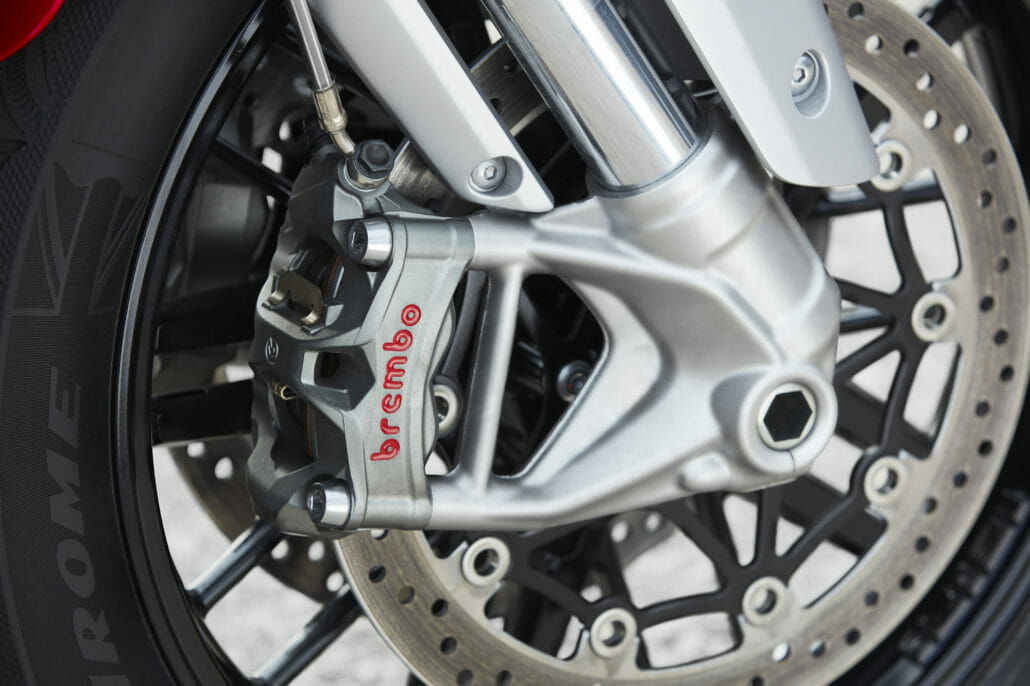
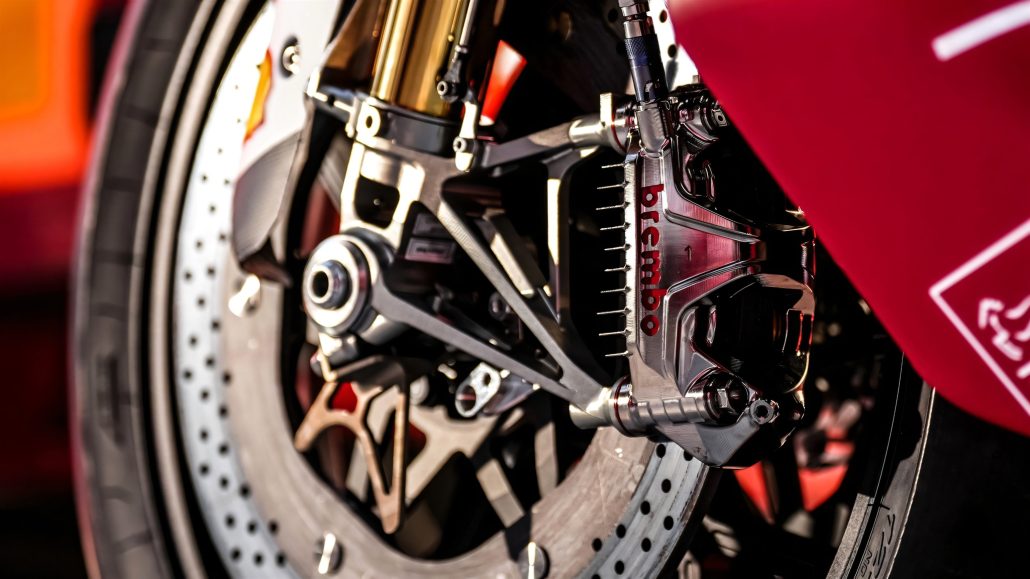
A first street-legal production motorcycle with carbon-ceramic brakes already exists: the Ducati Superleggera V4 Centenario. Through its development work in the Superbike World Championship, Brembo aims to prepare the technology for additional production models.
The Ducati Superleggera V4 Centenario is a limited special edition priced at 150,000 euros (approximately 174,000 US dollars), producing 228 hp (168 kW) with a wet weight of 173 kg (381 lbs). Its carbon-ceramic discs weigh around 40 percent less than steel discs, reducing rotating mass and making turn-in easier; they also operate over a wider temperature range. Currently, an exclusivity agreement with Ducati exists for this braking technology. Through its use in the Superbike World Championship, Brembo is collecting data to manufacture the components more cost-effectively and expand the offering once this agreement expires.
How Does the Switch Affect Costs?
Brembo names cost control as one of its goals without detailing the exact implementation. In the Superbike World Championship, only homologated brake components with fixed price caps are permitted.
Currently, these caps stand at 2,800 euros (approximately 3,250 US dollars) per brake caliper, 850 euros (approximately 985 US dollars) per brake disc, 1,300 euros (approximately 1,510 US dollars) per master cylinder, and 1,800 euros (approximately 2,090 US dollars) per quick-change set. Carbon discs are considered long-lasting, which means the switch could also affect service life and thus costs in the long run.
A Transformation for the 2027 Season
The new braking technology is not the only change facing the Superbike World Championship in 2027. At the same time, the series is switching tire supplier from Pirelli to Michelin, while MotoGP is going the opposite direction, moving from Michelin to Pirelli.
Carbon brakes are not entirely new to the Superbike World Championship either. In the early years of the series, carbon brakes were already in use, but they were banned in 1994 for cost reasons. With Hyction, a carbon-based material is now returning to the series, this time in the form of carbon-ceramic.
Frequently Asked Questions
-
What Is Brembo Hyction?
Brembo Hyction is a carbon-ceramic brake disc whose name combines the words hyper and action. It will be used in the Superbike World Championship from 2027, replacing the current steel discs.
-
When Will the Superbike World Championship Switch to Carbon-Ceramic Brakes?
From the 2027 season. Brembo will then become the sole brake supplier for the series while introducing Hyction discs for the entire grid.
-
Do Carbon-Ceramic Brakes Work When Cold?
Yes, unlike the carbon-carbon discs used in MotoGP, the carbon-ceramic discs are designed to provide braking force even at low temperatures. This makes them fundamentally suitable for street use.
-
Which Production Motorcycle Already Has Carbon-Ceramic Brakes?
The Ducati Superleggera V4 Centenario. It is the first street-legal production motorcycle with carbon-ceramic brake discs and is priced at 150,000 euros (approximately 174,000 US dollars).
-
What Changes for Honda Due to the Brembo Agreement?
Honda Racing Corporation must give up the Nissin brake components it has been using. Most other teams are unaffected since they already use Brembo brakes.